


Patagonian Argentinian
Cordero patagónico: stake-roasted lamb.
Cordero al Palo
Patagonia's signature whole-lamb feast
View page →Patagonian Argentine cuisine is the food of the southern provinces — Río Negro, Chubut, Santa Cruz, Neuquén, and Tierra del Fuego. The cuisine reflects three sources: indigenous Mapuche and Tehuelche heritage (curanto earth-oven cooking, smoked meats, lake-fish traditions), 19th-century European immigrant influences (Welsh tea-houses in Chubut, German chocolate-and-pastry traditions in Bariloche), and the vast sheep ranches that supply the lamb that defines the region's cooking globally.
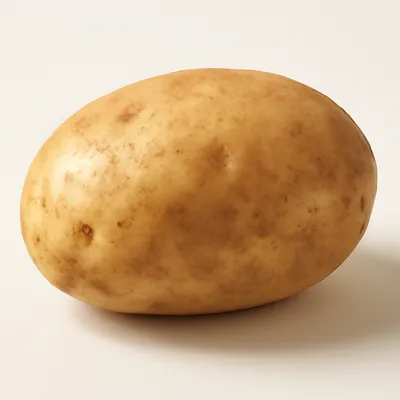
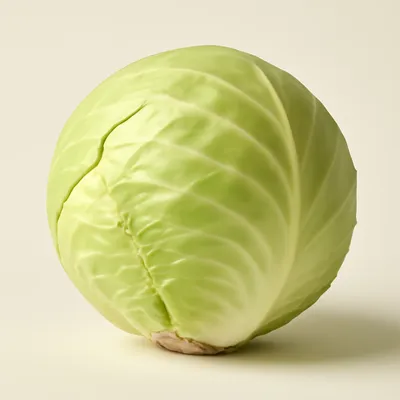
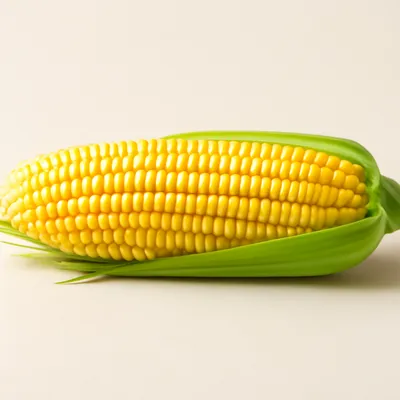
Cordero al palo (the whole-lamb cross-spit-roasting that takes 5 hours over open wood fire) is the most-iconic Patagonian dish — a tourist must-do in El Calafate and Bariloche. Curanto Patagónico (the underground earth-oven feast of chicken, pork, mussels, potato, and corn, sealed with cabbage leaves and steam-cooked 2 hours) is the most-ancestral preparation, dating from pre-Columbian Mapuche cooking. The Welsh immigrant inheritance gives Patagonia distinctive tea-room culture (afternoon tea with cakes), and the German-Bavarian inheritance gives the world-famous chocolates of Bariloche.
Start Here
The 60-degree spit angle and side-radiant heat (not below) are non-negotiable — direct heat would burn the lamb's exterior.
Why start here · Cordero al Palo is Patagonia's centerpiece feast — the dish that defines southern Argentina to tourists.
The cabbage leaves (substituting for nalca) must completely seal the pot — any steam escape ruins the steam-cook.
Why start here · Curanto Patagónico is the Mapuche heritage feast — Patagonia's most-ancestral preparation.
The Pantry








See all 47 ingredients›





















How They Cook
Techniques that define this cuisine
Other regions
Siblings within Argentinian — each its own tradition.