A thick, tangy Ramadan soup from Tunisia's Sahel and Sfax regions, built on semolina-thickened broth sharpened with vinegar and dried mint, with celery threaded through every sip and small kaaber meatballs added by preference.


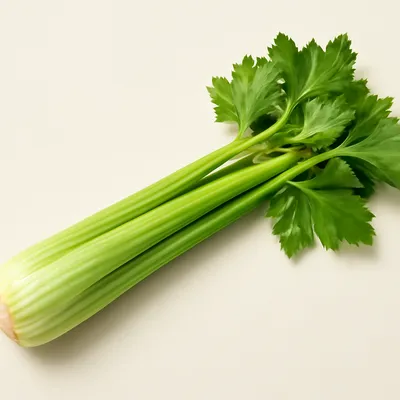


Hsou belongs to the Sahel coastal belt and Sfax, where it anchors the Ramadan iftar table as a warming first course. Tunisian cuisine documentation records that the soup's characteristic tang originally derived from fermented brewer's yeast culture stirred into the semolina broth — a technique that predates the modern vinegar shortcut now universal in home kitchens. Arabic Wikipedia describes hsou as a flour-based soup thickened with semolina and flavored with dried mint, and Benna Safi confirms the central role of celery alongside a caraway-and-coriander spice base. Dried mint and celery together signal Sahel terroir; both grow abundantly along the coast and appear in tandem across the region's soups and salads.
Dense, velvety broth coats the palate; dried mint cuts through the richness with cool sharpness; vinegar gives a clean, appetite-rousing tang; celery threads every sip with vegetal brightness.
Medium-grain semolina stirred into simmering broth undergoes starch gelatinization: amylose and amylopectin swell and absorb water above 70 °C, forming a viscous gel that suspends the aromatics and gives hsou its characteristically thick body. Vinegar (acetic acid) mildly inhibits starch retrogradation, keeping the broth smooth even as it cools. Dried mint releases menthol and menthone volatiles when heated, creating cooling perception that contrasts with harissa heat. Celery's phthalide aroma compounds are fat-soluble and bloom into the olive oil during initial sautéing before dispersing through the broth.
Variations
Some families add small meatballs (kaaber) for a more substantial version; a meatless version uses only the semolina broth base with extra vegetables; the rare brewer's-yeast version has a more complex, fermented sour note than vinegar alone.
On the Palate
Where Hsou sits in the Tunisian flavor cloud
Ingredients
Serves 4



How it's made
8 steps · 10 min
- 15 min
Finely dice onion and celery; crumble dried mint leaves into small flakes.
- 25 min
Sauté onion in olive oil over medium heat until soft; add minced garlic, then harissa and tomato concentrate; cook 3 minutes.
- 32 min
Add paprika, caraway, coriander, and chopped celery; stir well to coat everything in the spiced oil.
- 415 min
Pour in 1 L water; bring to a boil and simmer 15 minutes to build broth depth.
- 53 min
Whisk medium-grain semolina with 100 ml cold water to form a smooth slurry; pour slowly into the simmering broth while stirring constantly.
Watch outWhisk the semolina into a smooth cold slurry first, then pour it into the simmering broth while stirring constantly — tip in dry semolina and it clumps into lumps you can't smooth out.
- 610 min
Continue stirring over medium-low heat for 10 minutes until the broth thickens to a light porridge consistency.
Watch outKeep stirring the full ten minutes until it thickens to a light porridge that coats the spoon — stop early and it stays thin and watery instead of getting its body.
- 75 min
Add vinegar (starting with 2 tablespoons; adjust to taste) and crumbled dried mint; simmer 5 more minutes.
- 82 min
Serve piping hot, garnished with fresh celery leaves; add pre-cooked kaaber meatballs to the bowl if using.
