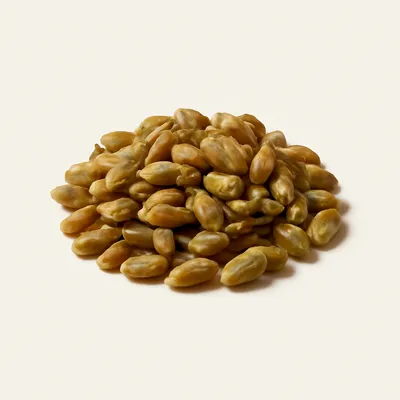
Nutty and chewy, freekeh boasts a unique flavor profile with a hint of smokiness, resulting from its ancient harvesting process. This ancient grain, packed with nutrients, brings a delightful texture to both salads and pilafs.
Where it comes from
Freekeh has roots in the Levant, particularly in Syria and Jordan, where it has been consumed for thousands of years. Its name derives from the Arabic word 'farik', meaning 'to rub', referring to the process of harvesting.
In the kitchen
In the kitchen, freekeh is cooked like rice or quinoa, serving as a hearty base for salads or grain bowls, contributing its distinctive flavor and chewy texture to various dishes.
Nutrition (per 100g)
340kcalCal
12.0gProtein
2.0gFat
70.0gCarbs
10.0gFiber
Values are AI-estimated, not from a laboratory database
Pairs well with
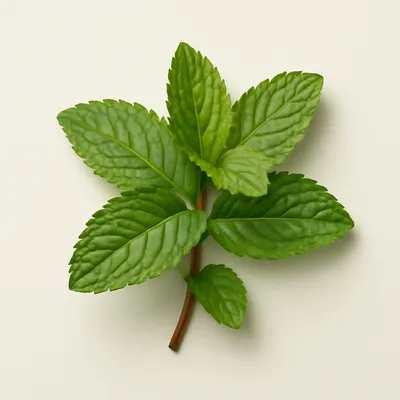
Mint
Chop fresh mint and toss with warm freekeh. The mint's cool, bright notes lift the grain's earthy depth.
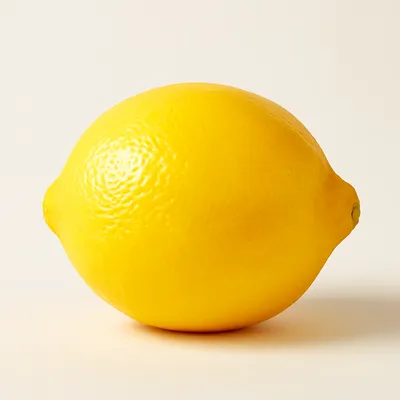
Lemon
Squeeze lemon juice over cooked freekeh. The citrus zing cuts through and refreshes the nutty base.

Feta Cheese
Crumble feta into freekeh while still warm. The cheese melts slightly, adding creamy tang to the chewy grains.
