The couscous of Djerba island, distinguished by the bourouhine double-steamer that cooks fish and semolina simultaneously: rising steam from a spiced broth first perfumes whole fish (grouper, mullet, or sea bass) then continues upward to cook the grain. Five canonical vegetables — onion, garlic, tomato, green pepper, chickpeas — form the broth; kaddid (sun-dried salted lamb) may replace or accompany the fish.





Djerba's culinary tradition draws on three millennia of Berber settlement, Phoenician-Punic trade, and a Jewish community traditionally counted among the oldest in the world, its presence on the island reaching back well over two millennia by local reckoning. The bourouhine double-level steamer — with two tiers of holes allowing steam from the boiling sauce to pass through fish below and semolina above simultaneously — is unique to the island, cited in food writing as a genuine Djerban invention. Joyce Goldstein documented Djerban fish couscous as a definitive Judeo-Tunisian specialty in Saffron Shores (2002). The kaddid variant is tied to Eid al-Adha: families cure and air-dry the sacrificial lamb in turmeric and salt for weeks after the feast and use it through the year in couscous and stews.
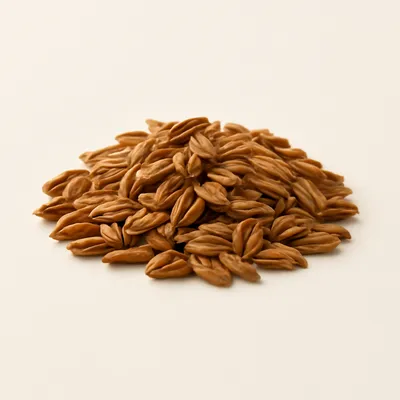
The grain carries a delicate sweetness from fish-scented steam; the fish itself stays just-cooked and barely flaking; the broth is deep with cumin, brightened by green pepper.
The bourouhine's two-stage steam transfer defines the dish: fish proteins begin to denature at 60℃, so whole fish cooks gently in aromatic steam without submersion, retaining moisture. Semolina above undergoes starch gelatinization simultaneously. Steam carries volatile aromatics — cumin's cuminaldehyde, pepper's pyrazines — upward through the vapour column, flavoring the grain without direct contact with the broth.
Variations
Kaddid (dried salted lamb) replaces fish in the winter version; some families combine both. Zucchini or pumpkin expand the five canonical vegetables. The island's yahni — octopus or lamb simmered in pumpkin sauce with dried black grapes — is a festive relative prepared in the same deep-stew tradition.
On the Palate
Where Couscous Djerbien sits in the Tunisian flavor cloud
Ingredients
Serves 4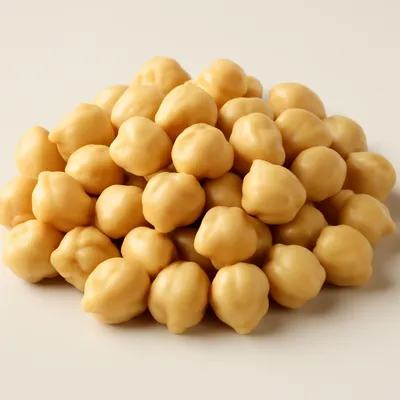


How it's made
7 steps · 20 min
- 110 min
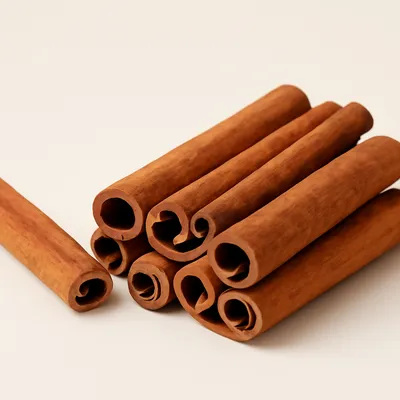
Make the spiced broth: sauté diced onion and garlic in olive oil until soft; stir in tomato paste, harissa, cumin, and cinnamon; add soaked chickpeas and 1.5 litres of water; bring to a simmer.
- 25 min
Moisten fine semolina with 150 ml cold water and a drizzle of olive oil; toss to combine and rest 5 minutes.
- 320 min
First steam pass: place semolina in the upper basket of a couscoussier over the simmering broth; steam 20 minutes; turn out, rake apart, and re-moisten with 80 ml cold water.
Watch outAfter the first twenty-minute steam, rake the grains apart and sprinkle fresh water back in — this loosens the clumps so the second steam swells them evenly.
- 45 min
Score the fish lightly and rub inside and out with salt, cumin, and a little harissa. If using a bourouhine, place fish on the perforated middle tray between broth and semolina; otherwise plan to add it to the broth for the final 12 minutes.
- 520 min
Second steam pass: return semolina to the steamer; position fish below if using bourouhine; steam 20 minutes while diced green pepper simmers in the broth below.
- 65 min
Remove fish carefully and rest 3 minutes; check that flesh flakes at the thickest point. Adjust broth seasoning with salt.
Watch outPull the fish when it flakes at the thickest point — it's cooking in gentle steam, so check the center; steam-poached fish overcooks quietly.
- 75 min
Mound couscous in a cone on a large platter; arrange fish and vegetables around the base; ladle broth over generously and serve extra broth in a separate bowl.
Archive tool suggestions — not reviewed
These legacy suggestions have not been evidence-reviewed and are not presented as required tools.
