
Slovenia's hearty winter stew from the Karst plateau and Slovenian Istria — sauerkraut (kislo zelje), borlotti or kidney beans, smoked pork (ribs, sausage, or bacon), potatoes, and bay leaf, slow-simmered for hours into a tangy-savory one-pot meal. Thickened at the end with a paprika-flour roux. The dish reflects Slovenia's mountain-frugal cooking — using preserved foods (sauerkraut, dried beans, smoked meat) to last through winter.






Jota is the iconic dish of Slovenia's Karst (Kras) plateau and Istrian coast (and a hallmark of Trieste) — a region historically multilingual in Slovenian, Italian, and German. The dish most likely originated in Friuli, spreading east into Goriška and the Littoral and then across Slovenia. The name 'jota' comes from Friulian 'jote', which traces to the Gallic (Celtic) word for soup, 'iutta' (or, in another account, late Latin 'iuta'). Rather than the often-repeated 16th century, jota took its modern form in the early 17th century, when beans — a New World crop newly cultivated in Friuli — were added to a pot that had been just sauerkraut (locally 'capuzi garbi'). In this rocky, poor-soiled region, sauerkraut, dried beans, and smoked pork became winter staples. Each area has its own version: Tržič jota is thicker and richer, Sežana jota is more brothy, Italian-Slovenian Istrian jota adds more vegetables. It became Slovenia's representative winter stew, and the Karst region holds an annual jota festival in February.
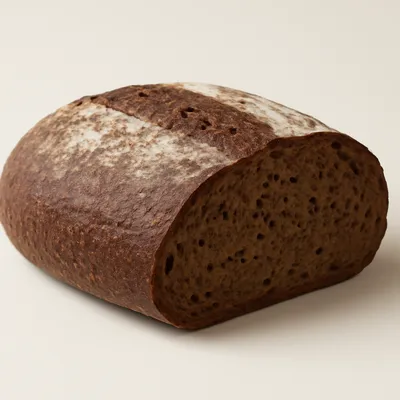
Spoon up a hot bowl of jota — beans, potato chunks, sauerkraut strands, and pieces of smoked pork swimming in a paprika-tinted thick broth. First spoonful: the sauerkraut's tang hits first (bright, fermented, vinegar-clean), then the beans' creamy starch, then the smoked pork's salty-smoky richness, all bound together by the paprika roux. The potato adds substantial bite. The pumpkin-seed oil drizzle (if used) adds a green-nutty top note that lifts everything. With dark rye bread for soaking, this is winter survival turned into peasant poetry — 16th-century Karst farmers' wisdom on a spoon.
The long simmer (2+ hours) does three things: it cooks the dried beans until creamy, breaks down the sauerkraut so its acidity dissolves into the broth, and renders the smoked-pork fat to enrich the liquid. The sauerkraut's bright tang comes from lactic-acid fermentation — salted cabbage held anaerobically at 15–20°C is first acidified by heterofermentative Leuconostoc mesenteroides, then by Lactobacillus plantarum, which convert sugars to lactic acid (reaching ~1.5–2% acidity), giving a clean, bright sourness rather than the sharp bite of vinegar. The zaprška (paprika-flour roux) is essential: without it the soup is watery; with it the broth turns silky and the paprika color blooms. Adding the roux late (last 15 min) keeps it from breaking, and collagen from the pork bones thickens the broth naturally. Caraway was traditionally added to ease bean digestion.
Variations
Tržič-style jota uses extra smoked pork. Sežana-style is brothier and lighter. Italian-Slovenian Istrian jota adds carrot, celery, and tomato. Vegetarian jota omits pork; uses smoked tofu or smoked paprika for smoky flavor. Modern Ljubljana restaurant version garnishes with crispy pork skin. Buckwheat jota uses buckwheat groats instead of beans (Gorenjska variation). Tržič International Jota Festival version is the standard.
On the Palate
Where Jota sits in the Slovenian flavor cloud
Ingredients
Serves 6





How it's made
15 steps · 30 min active + 2 hours waiting
- 1600 min
Soak 250 g dried borlotti or kidney beans in cold water for 8-12 hours (or use canned beans — about 500 g drained — for shortcut).
- 28 min
Drain beans; place in a large pot with 2 L cold water. Bring to a boil; reduce to a simmer.
- 34 min
Add 300 g smoked pork ribs (or smoked bacon hock or kranjska klobasa) + 1 bay leaf + 1 sprig fresh rosemary.
- 462 min
Simmer 60 min until beans are partially tender.
Watch outSimmer the beans until just partway tender before adding the kraut — the acid slows them, so undercooked beans here stay hard to the end.
- 55 min
Add 500 g sauerkraut (rinsed if very sour, otherwise drained but not rinsed) + 300 g peeled and cubed potatoes + 1 tsp caraway seeds + 1 tsp salt.
- 650 min
Continue simmering 45-60 min until beans, potato, and sauerkraut are all tender.
- 73 min
Make zaprška (Slovenian roux): in a small pan, heat 3 tbsp lard (or oil) over medium heat. Add 2 minced garlic cloves; cook 30 seconds.
- 84 min
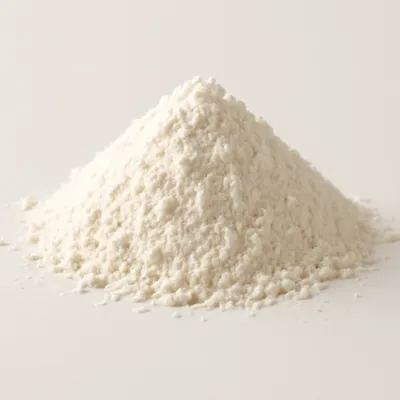
Add 2 tbsp flour; whisk constantly until golden-brown (3-4 min).
Watch outWhisk the flour roux until it turns golden-brown and smells nutty — raw roux tastes floury and won't thicken cleanly.
- 93 min
Stir in 1 tbsp sweet paprika; immediately add 100 ml of broth from the pot. Whisk to a smooth paste.
Watch outStir in the paprika and add broth right away — paprika scorches in a heartbeat and turns bitter if it sits in the hot fat.
- 102 min
Stir the zaprška into the pot.
- 1116 min
Continue simmering 15 min — the jota will thicken significantly.
Watch outSimmer after the roux goes in until the stew visibly thickens and coats the spoon — that body is the sign it's done.
- 125 min
Remove pork ribs; pull meat off bones in chunks. Discard bones and bay leaf. Return meat to pot.
- 133 min
If using kranjska klobasa, slice it into rounds and return to pot.
- 142 min
Taste; adjust salt. Add black pepper.
- 154 min
Serve hot in deep bowls with a generous drizzle of cold pumpkin-seed oil (Štajerska variation — adds nutty richness) and dark rye bread on the side.


