
French Guiana's signature Easter dish — the orange-red pulp of the awara palm fruit boiled and pulped into a thick base, then slow-cooked for 6-8 hours with smoked-cured pork ribs, salted fish, fresh chicken, shrimp, hot Bonda Man Jak pepper, spinach, cabbage, eggplant, and Creole-spice mix. Served in deep bowls with rice and pickled hot peppers. The 8-hour preparation is a multi-family-day ritual; the dish symbolizes French Guianese Creole identity.
Bouillon d'awara is the best-known dish of French Guiana, prepared exclusively for Easter weekend. The awara palm (Astrocaryum vulgare) is endemic to the Amazon basin, and its fruit's vibrant orange pulp gives the dish its color and unique flavor. The preparation is a Creole-Amerindian innovation: Maroon and Creole families would harvest awara fruit on Saturday before Easter, then begin the boiling-and-pulping process on Holy Saturday, then add ingredients gradually through Easter Sunday. The dish improves with reheating — making it ideal for the multi-day Easter celebration. Each French Guianese family has its own bouillon d'awara recipe with slight variations in meat, spice, and vegetable mixes. The dish has been called the 'culinary identity card of French Guiana' — the dish you serve to visiting family from Paris or Cayenne. Modern Cayenne restaurants serve bouillon d'awara only at Easter (some keep frozen awara pulp to make it year-round, but this is considered improper).
Spoon up a bowl of bouillon d'awara — deep orange-red broth thick with chunks of smoked pork ribs, salt cod flakes, chicken, shrimp, spinach leaves, eggplant, cabbage. Take a bite: the awara's unique flavor arrives first (sweet-tart-fruity-savory, unlike anything else; some describe it as 'apricot-meets-shellfish-meets-fenugreek'), then the smoked pork's depth, the salt fish's brine, the chicken's tenderness, the shrimp's sweetness, the herbal-fresh top notes from thyme and bay. The Bonda Man Jak pepper's heat hums in the background. Sprinkle farine de manioc on top: it thickens further and adds toasty crunch. With a glass of ti-punch and family gathered around, this is the French Guianese Easter — 8 hours of preparation in one bowl, hundreds of years of Creole-Maroon-Amerindian heritage.
The awara pulp is extremely rich in oil and fiber; once pulped and strained it emulsifies into the broth, giving it a thick, full body that coats the spoon — rather than a pectin-set jelly. The vivid orange-red color comes from the pulp's high beta-carotene (carotenoid) content, which dissolves into the oil and deepens with long cooking. The long, repeated cooking integrates all the meat, seafood, and spice flavors into a single base, with no one ingredient dominating. The whole hot peppers (added but not chopped) provide aromatic heat without overwhelming. Adding ingredients in stages based on cooking time ensures each protein is properly cooked. Reheating across the days actually improves the dish — the long heat gives the awara's complex flavors time to fully integrate with the meats and seafood.
Variations
Bouillon d'awara with goat (heritage variation). With wild game (deer, boar — for the rainforest tradition). Vegetarian bouillon d'awara (only vegetables — Lenten version). Modern Cayenne restaurant versions with foie gras and truffle. Frozen-pulp versions for year-round consumption.
On the Palate
Where Bouillon d'Awara sits in the French Guianese flavor cloud
Give the awara pulp its long, slow cook and add each protein in stages by cooking time — the pulp needs hours to emulsify into a spoon-coating broth, and staggering the meats and seafood keeps each one properly cooked, not mushy or raw.
Ingredients
Serves 10











How it's made
13 steps · 1 hour 30 min active + 6 hours 30 min waiting
- 14 min
Source 2 kg awara pulp (fresh or frozen; available in French Guianese markets or imported online).
- 234 min
If using fresh awara fruit: boil 5 kg whole fruit 30 min until soft; cool slightly; squeeze and scrape the pulp from the seeds (yields about 2 kg pulp). Discard the seeds.
- 36 min
In a very large heavy pot (10 L), combine 2 kg awara pulp + 3 L water + 2 tbsp salt. Bring to a boil; reduce to a simmer.
- 4185 min
Cook 3 hours, stirring occasionally to prevent sticking. The mixture becomes deep orange and starts to thicken into a rich base.
Watch outAfter about 3 hours the pulp should turn deep orange and thicken enough to coat the spoon — that's the base ready.
- 56 min
Prepare 800 g smoked pork ribs (boucané), 400 g salt fish (morue, soaked overnight then drained), 600 g chicken thighs (whole, bone-in), 200 g smoked sausage (chorizo or boudin).
- 6125 min
Add the smoked pork ribs and salt fish to the awara base; simmer 2 hours.
- 74 min
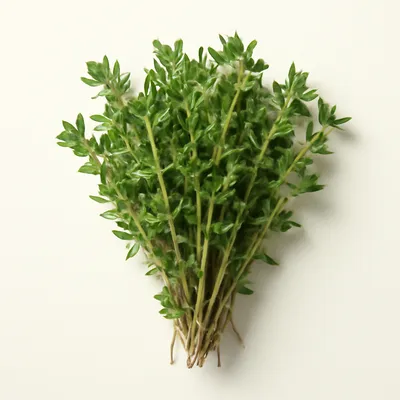
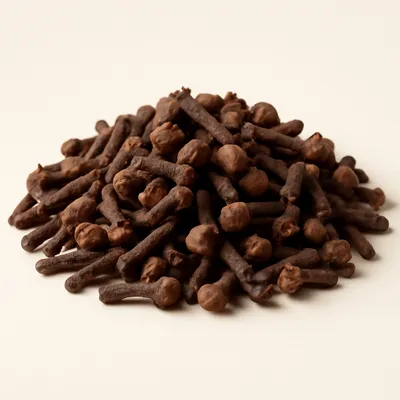
Add 6 minced garlic cloves + 4 chopped scallions + 3 sprigs fresh thyme + 3 bay leaves + 2 Bonda Man Jak peppers (kept whole) + 1 tbsp ground allspice + 1 tbsp dried thyme + 1 tsp ground cloves + 1 tsp ground nutmeg + 2 tsp salt.
- 892 min
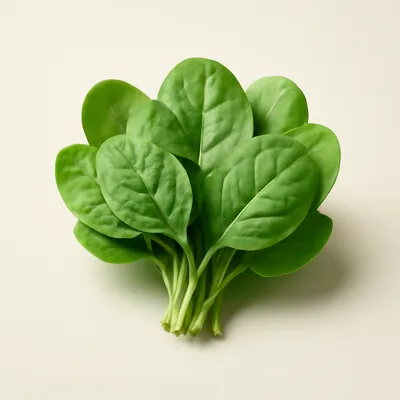
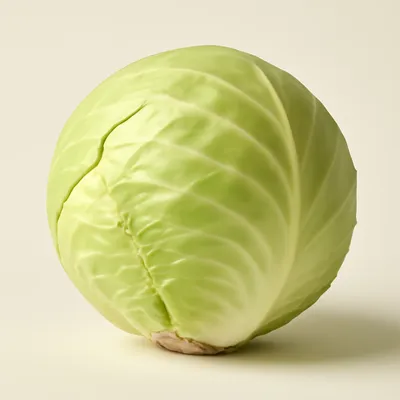
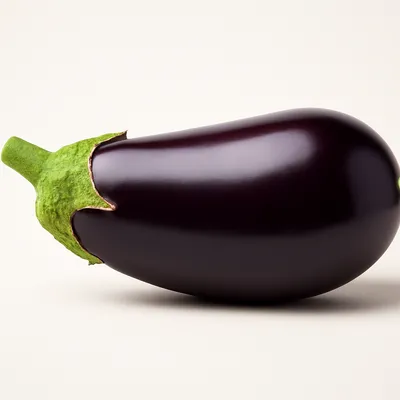
Add 1 chopped onion + 4 chopped tomatoes + 1 chopped eggplant + 200 g spinach (or callaloo) + 200 g shredded green cabbage; continue cooking 1.5 hours.
- 932 min
Add the chicken; cook 30 min.
Watch outAdd the chicken only after the base has simmered down; give it 30 minutes so it's cooked through but still tender.
- 1016 min
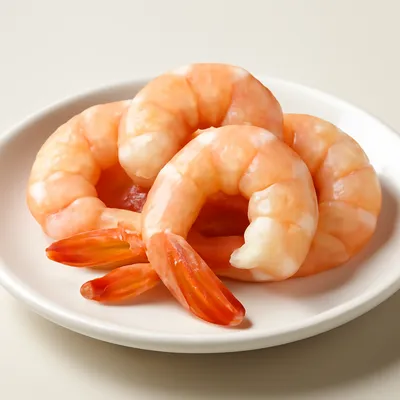
Add 200 g shrimp (peeled, deveined) + the smoked sausage; cook 15 min.
Watch outShrimp go in last — just 15 minutes; pull them the moment they turn opaque so they don't toughen.
- 112 min
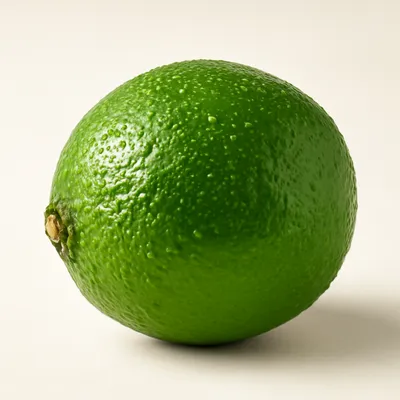
Taste; adjust salt and add 1 tbsp lime juice if desired.
- 121 min
Remove the whole peppers (they've infused their heat).
- 138 min
Serve in deep bowls: a generous portion of the bouillon with assorted meats, seafood, and vegetables. Accompany with: white rice (riz Créole) + pickled hot peppers (piment confit) + farine de manioc (toasted cassava grain) for sprinkling on top + lime wedges. Drink with rum punch (ti-punch) or Creole beer.


