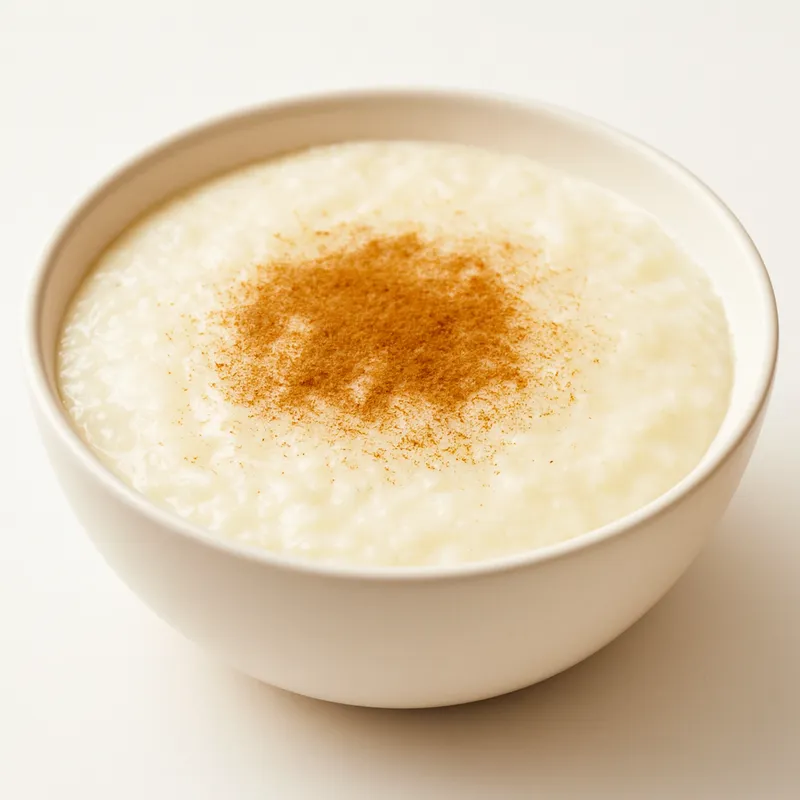
French Guiana's universal Indigenous-Amerindian carbohydrate — coarse cassava grain (yellow-orange, similar to bulgur), pan-toasted dry to develop a nutty-roasted flavor, then sprinkled over bouillon d'awara, fish stews, or eaten with milk and sugar as breakfast porridge. The Wayãpi, Palikur, and Wayana Indigenous heritage; the universal Surinamese-Brazilian-Guianese Amazon ingredient.
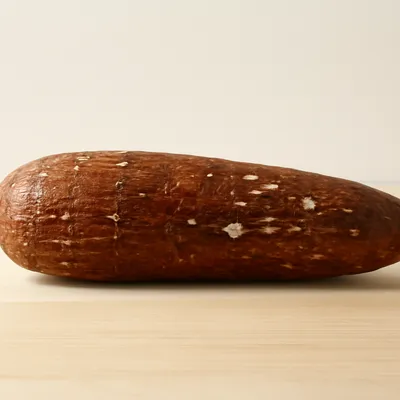



Couac (also called farine de manioc or farine in French Guiana) is the universal Amazon-Indigenous carbohydrate — coarse cassava grains that are toasted to develop flavor and reduce moisture. The technique is pre-Columbian — Indigenous Amerindians have made couac for thousands of years across the Amazon basin (Brazilian Indigenous communities, French Guianese Wayãpi-Palikur-Wayana, Surinamese Maroon). The grain has a nutty-roasted flavor and a slightly chewy texture; it absorbs liquid like couscous but is gluten-free. Couac is the universal accompaniment to almost every French Guianese meal: sprinkled on bouillon d'awara (it thickens the broth and adds crunch), mixed into salads, eaten as breakfast porridge with milk and sugar, or simply eaten plain by the handful. The dish reflects French Guiana's unique Amazon ecosystem and the preservation of Indigenous food traditions.
Sprinkle a generous spoonful of couac over a bowl of bouillon d'awara — the toasty amber grains contrast against the deep-orange broth, settling and absorbing some liquid. Take a bite: the couac is unlike anything else — slightly crunchy at first, then chewy, with a roasted-nutty flavor that's like a cross between toasted brown rice and panko breadcrumbs. The flavor is uniquely Amazonian, deeply Indigenous, and slightly earthy. The textural contrast adds another dimension to the soft, slow-cooked bouillon. For breakfast porridge, the couac softens into a chewy, slightly-sweet base that takes well to milk, sugar, vanilla, and tropical fruit. Couac is the Amazon in a single ingredient — humble, hard-working, profoundly local.
Dry-toasting (no oil) is the universal Indigenous technique for cassava preservation and flavor development. The toasting reduces moisture (preventing spoilage) and develops Maillard reactions that create the nutty-roasted flavor. Constant stirring prevents burning while ensuring even toasting. The visual cue (color change) is the doneness indicator — when fully golden-brown and aromatic, it's ready. Couac stores well due to the low moisture content.
Variations
Couac with coconut (sweet breakfast version). Couac mixed into salads. Couac as cereal with cold milk. Modern Cayenne restaurant versions sprinkle couac on creme brulée for textural contrast. The Indigenous heritage version is hand-toasted in clay vessels.
On the Palate
Where Couac sits in the French Guianese flavor cloud
Ingredients
Serves 8How it's made
12 steps · 30 min active + 30 min waiting
- 12 min
Source 400 g couac (farine de manioc) from a French Guianese, Surinamese, or Brazilian-Indigenous source. This is coarse cassava grain, not cassava flour.
- 22 min
Heat a large heavy non-stick pan or cast-iron pan over medium heat (no oil).
- 31 min
Add the couac in a single layer (about 1 cm thick).
- 418 min
Toast the couac, stirring every 30 seconds with a wooden spoon, for 15-20 min total.
Watch outStir every half-minute the whole time — the grains scorch fast the moment they sit still on the hot pan.
- 51 min
Watch carefully: the couac will gradually turn from pale yellow to amber-orange, then to deeply-golden-brown.
Watch outTrack the color as it climbs from pale yellow to amber to deep golden-brown — that shift is how you read the doneness.
- 61 min
As it toasts, you'll notice the nutty-roasted aroma — this is the signature flavor developing.
Watch outThe nutty-roasted smell rising off the pan is your signal the flavor's developing — that aroma tells you it's close.
- 71 min
Don't let it burn (would taste bitter); when it reaches a deeply-golden-brown color and smells fragrant, immediately remove from heat.
Watch outPull it the moment it hits a deep golden-brown and smells fragrant — a shade too far and it tastes bitter.
- 816 min
Spread on a baking sheet to cool — the residual heat will continue cooking slightly. Cool 15 min.
- 93 min
Once cool, store in an airtight container for up to 3 months at room temperature, or 6 months frozen.
- 102 min
To use as side: sprinkle 2-3 tbsp couac over each portion of bouillon d'awara, fish stew, or chicken curry. The couac will absorb some of the broth and provide a crunchy-chewy textural contrast.
- 117 min
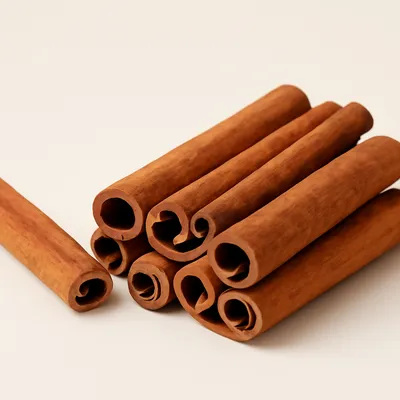
To use as breakfast porridge: place 100 g couac in a bowl. Pour over 200 ml hot milk + 2 tbsp sugar + 1 tsp vanilla + 1/2 tsp cinnamon. Stir; let sit 5 min until the couac softens.
- 123 min
Optional: add fresh fruit (mango, papaya, banana), toasted coconut, or condensed milk for a sweet breakfast.