


French Guianese
Amazon Creole — the Easter bouillon d'awara.
Bouillon d'Awara
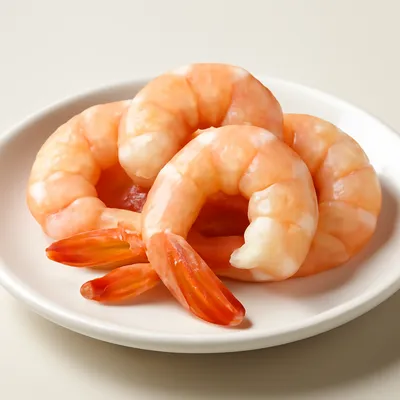
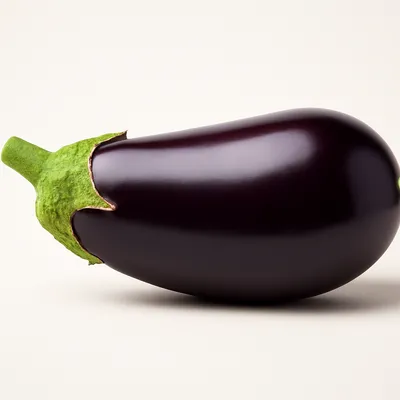
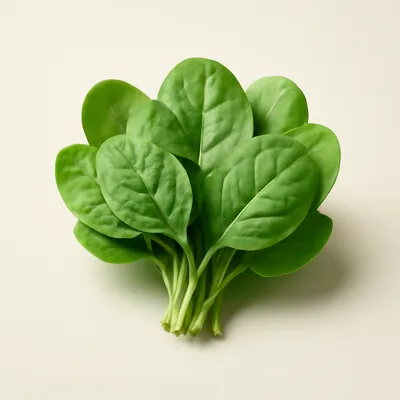
French Guiana's signature Easter dish — the orange-red pulp of the awara palm fruit (Astrocaryum vulgare) boiled and pulped into a thick base, then slow-cooked for 6-8 hours with smoked-cured pork ribs, salted fish, fresh chicken, shrimp, hot Bonda Man Jak pepper, spinach, cabbage, eggplant, and the Creole-spice mix (thyme, parsley, garlic, allspice). Served in deep bowls with rice and pickled hot peppers. The 8-hour preparation is a multi-family-day ritual; the cooked bouillon improves with reheating. The dish symbolizes French Guianese Creole identity and the resurrection-themed Easter meal of every household.
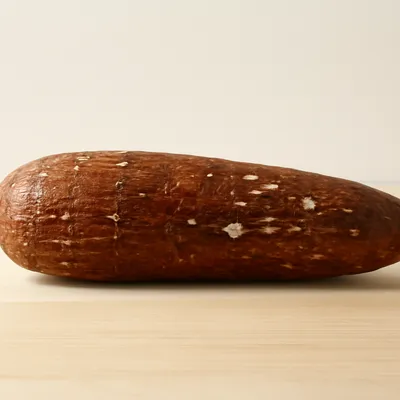
View page →French Guiana is a French overseas territory on the South American Atlantic coast, the only non-island French overseas department in the Americas. The cuisine reflects four heritages: Creole (Maroon-African and métissage), Amerindian (Wayãpi, Palikur, Wayana), Hmong (post-Vietnam War refugees, 1977), and Brazilian. The signature is bouillon d'awara — the Easter dish where the orange pulp of the awara palm fruit is boiled and pulped into a thick base, then slow-cooked with smoked-cured pork, salted fish, chicken, shrimp, hot pepper, and Caribbean spices for hours. Blaff (poached spiced fish from the Antilles), Colombo (Tamil-Hindu curry from South Indian — Pondicherry/Tamil Nadu — indentured laborers), and boudin créole (Creole blood sausage) round out the Creole table. Couac (toasted cassava grain) and farine de manioc are the universal Indigenous-Creole carbohydrate. Pâté en pot is the wedding-feast soup. The cuisine is the most-French of Latin America but with deeply distinct Amazonian flavor — and the Bonda Man Jak pepper provides the universal Caribbean fire.
The Palate
Start Here
The orange-red pulp of the awara palm fruit boiled and pulped into a thick base, then slow-cooked for 6-8 hours with smoked-cured pork ribs, salted fish, fresh chicken, shrimp, hot Bonda Man Jak pepper, spinach, cabbage, eggplant, and Creole-spice mix.
Why start here · French Guiana's signature Easter dish and the embodiment of Creole identity. The 8-hour preparation is a multi-family-day ritual. Start here for the most-uniquely French Guianese flavor.
Chicken pieces slow-braised in a Colombo curry paste of turmeric, coriander, cumin, mustard, fenugreek, garlic, ginger, and Bonda Man Jak pepper, with coconut milk, lime, and Caribbean vegetables.
Why start here · The French-Caribbean-Tamil curry brought by Sri Lankan indentured workers. The most-popular curry across French Caribbean territories and French Guiana. Distinct from Indian, Sri Lankan, or Indo-Guyanese curries.
Creole-style blood sausages made with pork blood, pork fat, scallions, garlic, parsley, thyme, allspice, Bonda Man Jak pepper, breadcrumbs, and milk-soaked bread. Stuffed in natural casings and lightly poached.
Why start here · The Christmas-Eve tradition across the French Antilles and French Guiana. The Creole-Caribbean adaptation of French boudin noir, distinguished by Caribbean heat and warming spices.
The Pantry

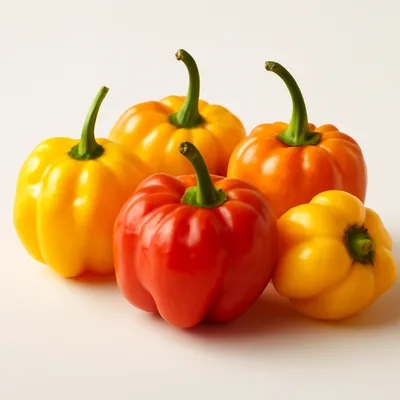
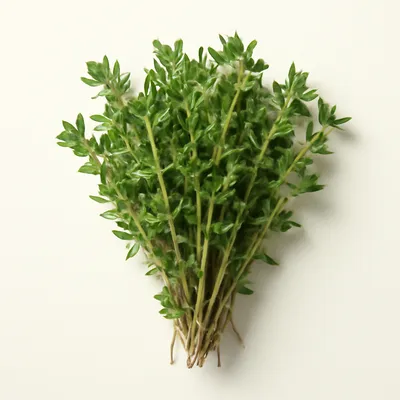


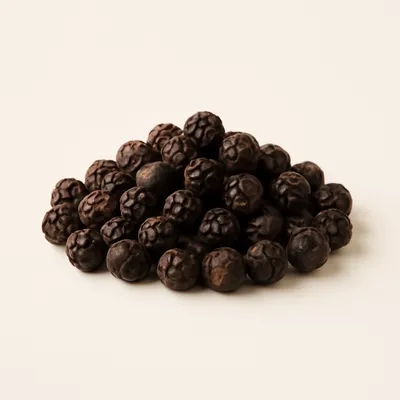
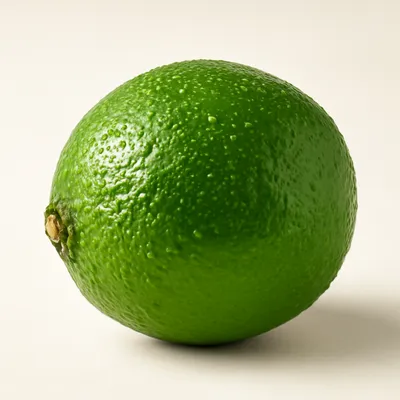

See all 63 ingredients›


















Sauces & Condiments



On the Map
Where this cuisine is found
Regional Styles
Cayenne and Coastal Region
The capital on the Atlantic coast. Creole-French-Caribbean restaurants, the Easter bouillon d'awara tradition, and the Sunday market accras-and-blaff culture.
Saint-Laurent-du-Maroni and Western Border
The Maroni River border with Suriname. Maroon communities, Indigenous Wayãpi-Palikur villages, the couac and cassava-fish tradition.
Hmong Villages (Cacao and Javouhey)
The Hmong communities settled in 1977 after the Vietnam War. They preserve Lao-Hmong cuisine adapted to Guianese ingredients. Sunday-morning Hmong food markets.
How They Cook
Techniques that define this cuisine


