
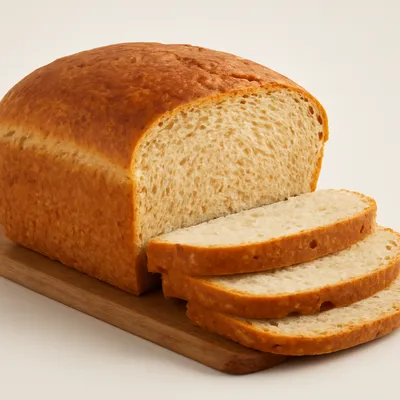
French Guiana's Christmas tradition — Creole-style blood sausages made with pork blood, pork fat, scallions, garlic, parsley, thyme, allspice, Bonda Man Jak pepper, breadcrumbs, and milk-soaked bread, all stuffed into natural casings and lightly poached. Sliced and served warm with country bread, butter, and rum punch on Christmas Eve. The Antillean-Creole specialty.
Boudin créole is the Creole-Caribbean adaptation of the French boudin noir (blood sausage), brought by 17th-century French colonists. The Caribbean version is distinguished by the use of scotch bonnet pepper for heat, the addition of allspice and clove for Caribbean warmth, and the Creole-style seasoning with scallions, garlic, and herbs. Boudin créole is the Christmas-Eve tradition across the French Antilles and French Guiana: families spend Christmas Eve afternoon making boudin, then eat it warm with bread for the late-night Réveillon meal. The dish is also a popular New Year's appetizer. Modern Cayenne restaurants serve boudin Créole during the Christmas season and as a year-round Creole specialty. The dish has spread to the French Antillean diaspora in Paris, where it's a Christmas staple at French-Caribbean restaurants. Boudin Créole is considered the test of a true Creole cook — the seasoning ratio and texture must be perfect.
Slice into a warm boudin créole round — the casing is taut and slightly chewy, the inside is dark, almost black, with visible pieces of golden lardons (rendered fat). Bite: the texture is creamy-tender, the iron-rich blood flavor melded with the lardons' crispy-fatty contrast; the seasoning blooms in waves (allspice's warmth, clove's floral spice, cinnamon's gentle sweetness, Bonda Man Jak's slow-building heat, fresh thyme and parsley's herbal-fresh top notes, the scallions' green-onion bite). The bread filling makes the texture tender and absorbs the blood; without it, the texture would be too dense. On Christmas Eve, with a slice of country bread, butter, and a shot of rum punch, this is the French-Antillean Réveillon — generations of Creole tradition in one warm bite.
Adding vinegar to the fresh blood prevents coagulation, keeping the mixture pourable for stuffing. Soaking the bread in milk creates a binder that gives the boudin its tender texture (without bread, the boudin is too dense). The rendered lardons (vs adding raw fat) provide flavor and prevent the boudin from being too greasy. Cooking at exactly 75-80°C (poaching, not boiling) is critical — boiling water would burst the casings and toughen the texture. The cold-water cooling sets the structure and prevents bursting.
Variations
Boudin Antillais (Martinique-Guadeloupe version, similar). Boudin blanc Créole (white version with rice instead of blood). Boudin frit (deep-fried slices for parties). Modern Cayenne restaurant versions with truffle in the seasoning. Christmas-Eve home-prepared boudin is the traditional standard.
On the Palate
Where Boudin Créole sits in the French Guianese flavor cloud
The make-or-break move is the poaching temperature — hold the water at 75-80°C, never a boil, because rolling water bursts the casings and toughens the sausage.
Ingredients
Serves 8













How it's made
15 steps · 1 hour 15 min active + 1 hour 45 min waiting
- 13 min
Source 1.5 L fresh pig's blood (from a butcher; ask for the freshest possible). Stir in 2 tbsp white vinegar to prevent coagulation.
- 216 min
Render 200 g pork back fat: cut into very small dice; cook in a pan over low heat 15 min until the fat is golden and crispy. Drain; reserve fat and rendered fat (lardons).
- 312 min
Soak 200 g day-old French bread (crust removed) in 400 ml warm milk 10 min. Squeeze out excess milk.
- 416 min
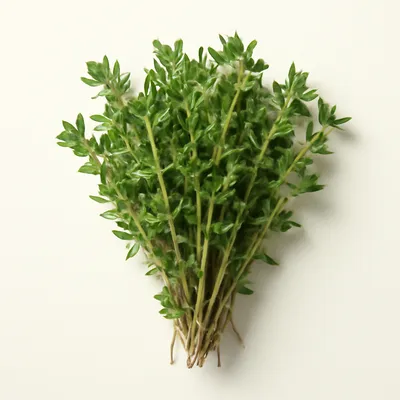
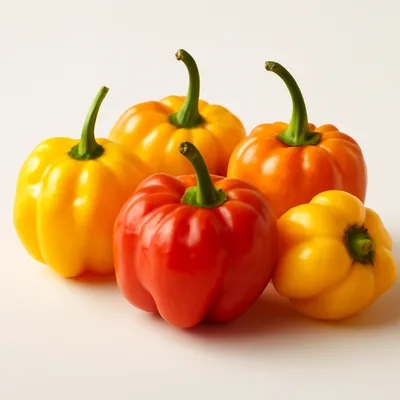
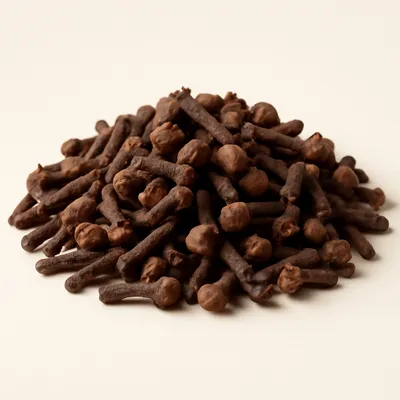
Make seasoning: in a large bowl, combine the soaked bread + 1 cup finely chopped scallions + 1/2 cup finely chopped onion + 1/4 cup finely chopped fresh parsley + 1/4 cup finely chopped fresh thyme + 8 minced garlic cloves + 2 minced Bonda Man Jak peppers + 1 tbsp ground allspice + 1 tsp ground cloves + 1 tsp ground nutmeg + 1 tbsp salt + 2 tsp black pepper + 1 tsp ground cinnamon.
- 54 min
Stir in the rendered lardons + 100 ml double cream + 4 lightly-beaten eggs.
- 64 min
Add the pig's blood; mix gently with hands. The mixture should be loose like batter.
Watch outThe finished mixture should be loose like batter — if it's stiff it won't fill the casings evenly.
- 722 min
Soak 2 m natural pork casings (32-36 mm diameter) in warm water 20 min.
- 82 min
Fit a stuffing horn onto a sausage stuffer; thread casing onto the horn.
- 98 min
Stuff the casings with the blood mixture, twisting every 25 cm to form individual sausages. Don't overfill (they'll burst during cooking).
- 104 min
Tie the ends of each sausage with twine.
- 116 min
Bring a large pot of water to 75°C (just below simmer). Carefully lower the sausages.
- 1227 min
Poach 25-30 min at 75-80°C — DO NOT BOIL (would burst the casings).
Watch outKeep the surface at a faint shiver, 75-80°C — the instant it threatens to bubble, pull the heat back.
- 132 min
Test for doneness: pierce a sausage with a thin needle — if clear (not red) liquid comes out, they're cooked.
Watch outPrick a sausage with a fine needle: clear juice means done, red juice means give it more time.
- 146 min
Remove with tongs; cool in cold water 5 min to set.
- 156 min
Serve warm: slice the boudin into 4-cm rounds; arrange on a plate with country bread, butter, and rum punch. Eat as a warm appetizer; the slices warm up nicely under a broiler if reheated. Best on Christmas Eve.


