The grainy, cold-worked chocolate of Modica in south-eastern Sicily, made without conching so the sugar stays in crystals you can feel on the tongue. Roasted, ground cocoa mass is warmed only until it flows and kept below about 40°C while sugar and a scent of cinnamon or vanilla are worked through it, then poured into rectangular moulds and left to set. The result is a matte, dark bar that snaps dry and crumbles rather than melting smooth, tasting intensely of cocoa with the sugar sparkling separately against it. An old luxury of nobles and convents, it has been made this way since the Spanish brought the method in the sixteenth century, and carries an IGP mark.


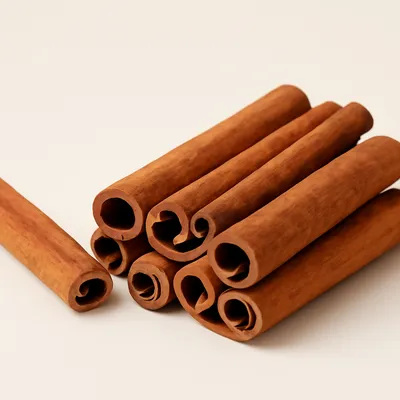

Modica's chocolate is a legacy of Spain in Sicily. From the sixteenth century the town was the seat of the County of Modica, the largest and most autonomous feudal state in the south, and it was under Spanish rule that the cold way of working cocoa reached it. The Spanish had taken the method from the Aztecs, who ground cacao seeds on a stone metate into a paste called xocoatl; the Aztecs, however, kept no solid bars and knew no sugar, so the Modica bar as we know it is a Sicilian remaking of that technique rather than a straight Aztec recipe. Long a luxury of the aristocracy and the convents, it was traditionally worked by hand on a warmed lava stone. A consortium of producers formed in 2003, and the chocolate won its IGP protection on 8 October 2018.
It snaps with a dry, matte break and never a clean gloss, then crumbles on the tongue with an unmistakable grit, the tiny sugar crystals grinding pleasantly against a dense, dark cocoa. The flavour is deep and only lightly sweet, the cocoa almost savoury, lifted by whatever it is scented with, warm cinnamon most often, or vanilla, chilli or citrus. It is more rustic and grainy than any smooth industrial chocolate, and meant to be.
Smoothness in ordinary chocolate comes from two steps Modica leaves out: refining, which grinds the sugar to particles too small for the tongue to feel, and conching, a long warm working that films each particle in cocoa butter. Here the cocoa mass is kept below about 40°C and only briefly worked, so the coarse sugar is neither ground fine, melted, nor fully coated. The sucrose stays as distinct crystals suspended in the cocoa fat and solids, which is the sandy grit you feel. With no added milk or extra cocoa butter and a high share of cocoa mass, the bar sets firm rather than silky, and because the fat is barely tempered the surface stays matte, the break dry and crumbly, often veiled with the pale bloom of cocoa butter risen to the top.
Variations
Cinnamon and vanilla are the oldest scents, but the bars now come in many flavours: chilli, Bronte pistachio, ginger, carob, sea salt, coffee, and orange or lemon zest, alongside pure bars running from a standard fifty per cent cocoa up to ninety-nine. The paste is also pressed into 'mpanatigghi, Modican half-moon pastries that hide spiced chocolate and once a little minced beef, and worked into the local aromatic version the writer Leonardo Sciascia likened to the chocolate of Alicante in Spain.
On the Palate
Where Cioccolato di Modica sits in the Italian flavor cloud
Ingredients
Serves 8How it's made
7 steps · 20 min
- 110 min
Warm the roasted, ground cocoa mass gently until it just flows, keeping it below about 40°C.
Watch outWarm the cocoa mass only until it just flows, kept below about forty degrees — go hotter and the sugar starts melting, and you lose the grainy bite that defines Modica chocolate.
- 28 min
Off strong heat, stir in the sugar and a little cinnamon or vanilla, holding the temperature low so the sugar does not dissolve.
Watch outStir the sugar in off the heat and keep it cool — the sugar must stay as distinct crystals, not dissolve; that sandy grit is the whole signature.
- 315 min
Work the mixture at length, traditionally on a warmed lava stone with a stone roller, until the sugar is spread evenly through the paste but still crystalline.
- 43 min
Pour the still-grainy chocolate into rectangular tin moulds.
- 53 min
Tap and beat the moulds to release air bubbles and settle the chocolate.
Watch outTap and beat the filled molds to knock out air bubbles — trapped air leaves hollow pits in the set bar.
- 6120 min
Leave to cool and set at room temperature until firm and it pulls from the mould.
- 72 min
Turn out the bars; the surface is matte to faintly glossy, the break dry and crumbly.
