
Guyana's Afro-Caribbean one-pot of provisions — chunks of yam, plantain, sweet potato, cassava, eddoes, dumplings, and salted meat (or saltfish), all slow-cooked together in coconut milk, thyme, scotch bonnet, and green seasoning. The Saturday or Sunday rural family meal, the hearty workman's food, the African-Caribbean cooking tradition.

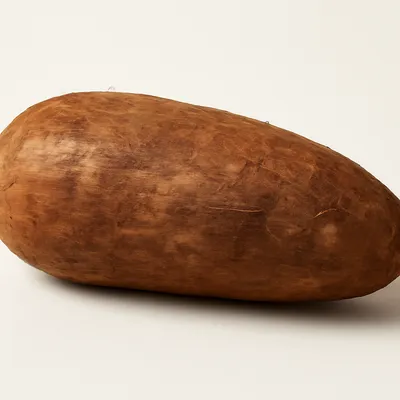
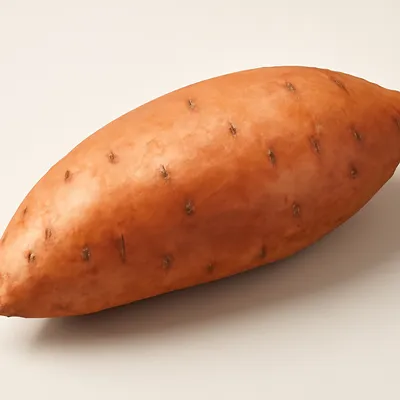
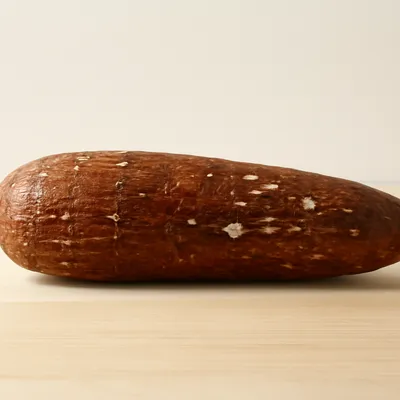
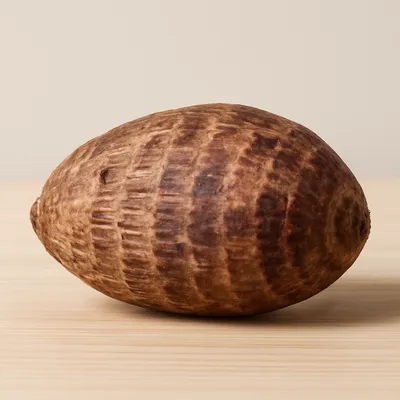
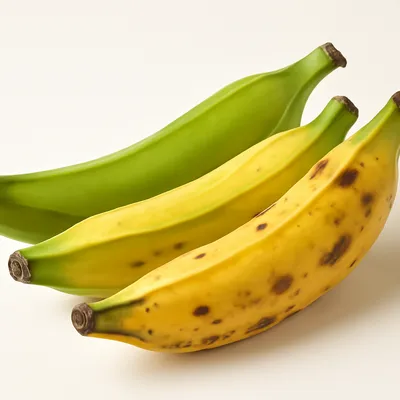
Metemgee (also spelled metagee) comes from the Akan-language 'meten gye' (mountain or pile of foods) and is an Afro-Guyanese dish brought by Akan slaves from Ghana in the 17th-18th centuries. The dish is the universal 'one-pot of provisions' (root crops, starchy tubers, plantains) cooked together with salted meat. The technique evolved from the West African practice of cooking yams and plantains in fish-and-coconut-based stews; Afro-Caribbean variations across the Caribbean (Jamaican 'rundown', Bahamian 'boil fish', Surinamese 'heri heri') share this lineage. Metemgee is particularly associated with rural Guyanese family meals and the African-diaspora communities of Berbice. The dish is hearty, calorie-dense, and protein-rich — perfect for the laboring families of the sugar plantations and rice paddies. Modern Guyanese-American families serve metemgee at home as a Saturday lunch tradition. The dish is the Afro-Caribbean answer to the Indo-Guyanese cook-up rice — both are one-pot family meals, both reflect the layered heritage.
Spoon up metemgee — a generous bowl of golden-tinted coconut sauce holding chunks of orange sweet potato, white yam, yellow plantain, brown cassava, pale-yellow eddoes, and pieces of flaky saltfish, with floating dumplings and bright green cilantro. Each bite is a different texture: the yam is starchy and dense, the sweet potato is custardy-soft, the cassava is meaty and chewy, the eddoes are creamy, the green plantain is firm, the ripe plantain is sweet and yielding, the dumplings are bouncy and chewy. The coconut sauce ties everything together — sweet, slightly spicy, savory from the saltfish. With a piece of bread and a glass of coconut water, this is the African-Guyanese Saturday meal that has fed laboring families for generations.
Adding the provisions in stages based on cooking time ensures everything is cooked through but nothing is mushy. Each provision has different starch content and texture — managing this is the key to good metemgee. The coconut milk creates the rich sauce that ties everything together. The saltfish (or salt pork) provides salt-and-protein flavor; the salt content of the cured fish is critical — pre-soaking removes excess but leaves enough for flavor. The dumplings, added last, soak up the coconut sauce; they become flavored carbohydrate sponges.
Variations
Metemgee with salt beef (instead of saltfish). Metemgee with smoked turkey wing. Metemgee with okra added. Vegetarian metemgee (no meat, just provisions). Modern Brooklyn restaurant versions use heirloom vegetables. The dish is similar to Surinamese heri heri and Jamaican rundown.
On the Palate
Where Metemgee sits in the Guyanese flavor cloud
Ingredients
Serves 6






How it's made
14 steps · 25 min active + 35 min waiting
- 132 min
Soak 200 g saltfish (salted cod) in cold water for 30 min; drain. Cut into 3-cm chunks. (Or use 300 g salt pork tail, soaked similarly.)
Watch outTaste the soak water after 30 minutes — the saltfish should be salty but not harsh; too briny and the whole pot turns oversalted, since it seasons the sauce.
- 24 min
Prepare provisions: peel and cube 300 g yam + 200 g sweet potato + 200 g cassava + 200 g eddoes (taro) into 4-cm chunks. Rinse.
- 32 min
Slice 2 green plantains into 3-cm rounds. Slice 1 ripe plantain into 3-cm rounds.
- 47 min
Make dumplings: in a bowl, combine 150 g flour + 1/2 tsp salt + 60 ml water + 1 tbsp oil. Knead 5 min. Roll into small finger-sized dumplings; set aside.
- 56 min
In a large heavy pot, heat 3 tbsp coconut oil (or vegetable oil) over medium heat. Add saltfish (or salt pork); cook 5 min.
- 68 min
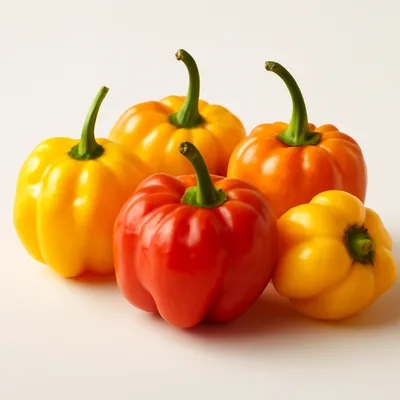
Add 1 chopped onion + 6 minced garlic cloves + 2 minced scotch bonnet peppers (seeded for milder); cook 6 min.
- 73 min
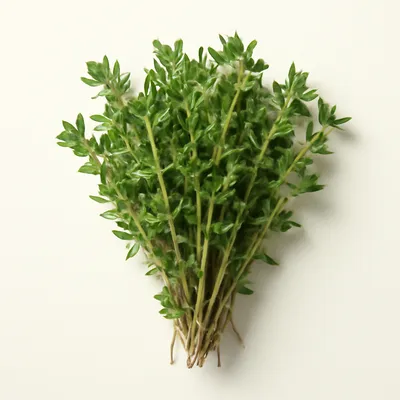
Add 1 tbsp Guyanese green seasoning + 2 sprigs fresh thyme + 1 tsp dried thyme + 1 tsp salt; cook 2 min.
- 86 min
Add 600 ml coconut milk + 500 ml water + 1 tbsp brown sugar + 1 tsp salt. Bring to a boil.
- 916 min
Add the harder provisions first (yam, cassava, eddoes). Simmer 15 min.
Watch outGo in with the hardest provisions first (yam, cassava, eddoes) — they need the longest head start or you'll get raw chunks next to mush.
- 1012 min
Add the softer provisions (sweet potato, green plantain). Simmer 10 min.
- 1113 min
Add the ripe plantain and dumplings. Simmer 10-15 min until the dumplings are cooked and the provisions are fork-tender. The liquid should reduce to a thick sauce.
Watch outAdd the dumplings last and simmer until the liquid cooks down to a thick coconut sauce — they soak it up like sponges; too much liquid left and they stay pasty.
- 122 min
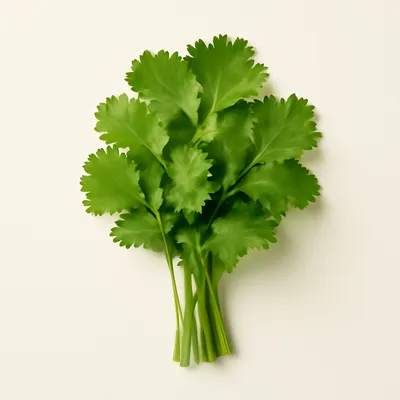
Stir in 1/2 cup chopped fresh cilantro + 2 chopped scallions.
- 131 min
Taste; adjust salt and add a squeeze of lime if desired.
- 143 min
Serve in deep bowls: a generous portion of provisions, dumplings, and saltfish in coconut sauce. Top with extra cilantro and a wedge of lime. Drink with mauby, sorrel, or coconut water.


