
Guyana's Madeira-Portuguese Christmas tradition — pork chunks marinated in vinegar, copious garlic, fresh thyme, scotch bonnet pepper, and salt for 3-7 days until cured through, then fried golden-crispy. Served as the universal Guyanese-Portuguese Christmas morning breakfast with cassava bread, plait bread, or rolls. The dish traces to the 1830s Madeira-Portuguese immigration to Guyana.




Garlic pork is the Guyanese descendant of the Portuguese dish 'carne de vinha d'alhos' (literally 'meat in wine-and-garlic'; vinha d'alhos = wine/vinegar and garlic), a Christmas specialty of Madeira and the Minho region — in Trinidad and Guyana also called 'calvinadage'. (The dish is NOT 'sopa de pernil', which means 'ham/pork-leg soup'.) Madeiran immigrants came to British Guiana from the 1830s, brought by British colonial sugar planters who needed agricultural workers as slavery ended; the first Madeirans reached Demerara in late 1834, with 40 arriving on the 'Louisa Baillie' in May 1835, and over 30,000 indentured labourers (mostly from Madeira) followed. The Madeirans brought their fishing, dairy, and pork traditions; garlic pork is their most-enduring contribution to Guyanese cuisine. The dish requires patience: pork chunks are marinated for 3-7 days in a strong vinegar-garlic mixture that both cures (preserves) and intensely flavors the meat. Its distant ancestor is a seafaring preservation trick — Portuguese sailors packed meat in barrels where wine slowly turned to vinegar and cured it; the same vinha d'alhos, carried east along Portuguese sea routes to Goa, was garbled by locals into the now-famous 'vindaloo' curry. The fried result is intensely-flavored, crispy outside, tender inside. The dish is the Christmas-morning tradition — eaten with cassava bread or plait bread, washed down with strong coffee or Demerara rum. It has spread within the Portuguese-Guyanese community in Toronto and London, where it's a Christmas staple. Outside the diaspora, it's relatively unknown.
Bite into a chunk of garlic pork — the outside is deeply mahogany and crispy, almost crackling, the inside is tender and intensely flavorful. First bite: the vinegar's brightness arrives immediately (this is the cured-pork signature), then the wave of garlic (30 cloves worth! intense, sweet from the cure, almost spreadable), the thyme's herbal warmth, the scotch bonnet's slow-building heat, the salt-and-clove undertones. The meat is meltingly tender from the 3-7 day cure; the flavor is more intense than any other pork preparation. With a slice of cassava bread for sopping the garlic-vinegar juices and a Demerara rum punch on Christmas morning, this is the Madeira-Portuguese-Guyanese tradition that crosses 200 years.
The 3-7 day vinegar cure is the central technique: the acid (acetic acid) denatures the meat proteins, tenderizing it and changing the texture. The salt draws out moisture initially; the meat reabsorbs it with the garlic and herbs. The vinegar also acts as a preservative — properly cured garlic pork can be stored refrigerated for weeks. Long curing intensifies the garlic flavor as the garlic compounds penetrate every fiber. Frying creates the crispy exterior while the cured-tender interior melts. The result is uniquely intense — no other pork preparation has this depth of garlic and acidity.
Variations
Garlic pork with allspice (Guyanese-Madeira version). Quick garlic pork (24-48 hour cure, less intense). Vegetarian version with mushroom or seitan. Mini garlic pork bites for cocktail parties. Modern Toronto restaurant versions with truffle. The Madeira-Portuguese diaspora preserves the original recipe. The dish is also made in Trinidad and Tobago with regional variations.
On the Palate
Where Garlic Pork sits in the Guyanese flavor cloud
Ingredients
Serves 8




How it's made
9 steps · 30 min active + 3 days 30 min waiting
- 16 min
Source 1.5 kg pork shoulder or pork belly (with skin if possible). Cut into 5-cm chunks.
- 28 min
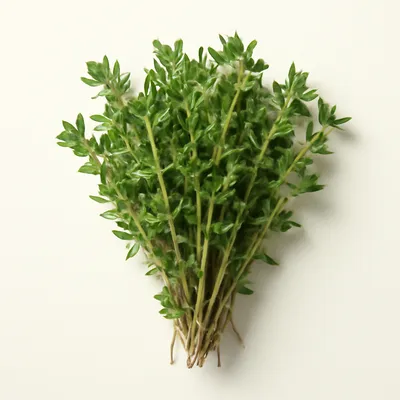
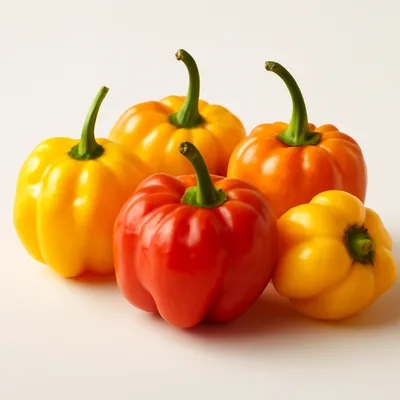
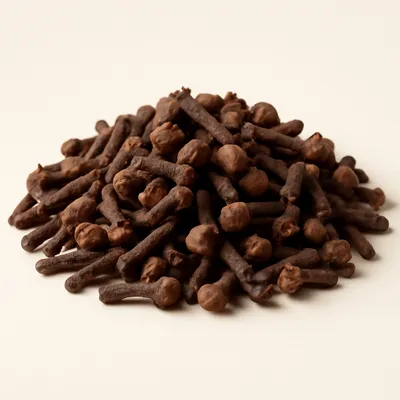
Make marinade: in a large non-reactive bowl (glass or ceramic), combine 500 ml white vinegar + 200 ml water + 30 minced garlic cloves (yes, 30 — this is not a typo) + 4 sprigs fresh thyme (or 2 tbsp dried) + 2 minced scotch bonnet peppers + 2 tbsp salt + 2 tsp black pepper + 1 tsp ground clove + 4 bay leaves.
- 36480 min
Submerge the pork chunks completely in the marinade. Cover; refrigerate 3-7 days (the longer, the better; minimum 3 days; 5-7 days is ideal). Stir daily.
Watch outEvery chunk must sit fully under the vinegar; anything poking out won't cure and can spoil.
- 45 min
After curing: drain the pork (reserve some marinade for splashing); pat dry. Discard the bay leaves.
- 53 min
Heat 4 tbsp oil (vegetable or rendered pork fat) in a heavy pan over medium-high heat.
- 618 min
Fry the pork chunks in batches, 8-10 min per side until deeply golden-brown and crispy outside, with the inside still tender.
Watch outFry until the outside is deep golden and crackly-crisp while the cured inside stays tender.
- 71 min
If desired: brush with a splash of the reserved marinade in the last minute (this caramelizes and adds flavor).
- 82 min
Drain on paper towels.
- 95 min
Serve hot for Christmas morning breakfast with: cassava bread (casabe), plait bread, or buttered rolls, sliced cucumber and tomato, and strong coffee. Drink with Demerara rum punch for the festive Christmas Day, or coffee for the breakfast.


