


Guyanese
Pepperpot and cook-up — South America's English-speaking corner.
Pepperpot
Guyana's national dish — chunks of beef, pork, and oxtail slow-simmered for hours with cassareep (concentrated bittersweet cassava juice), cinnamon sticks, whole cloves, hot peppers (wiri-wiri or Scotch bonnet), and brown sugar until the meat is fall-apart tender and the sauce is deep mahogany-black. Traditionally eaten Christmas morning with cassava bread (casabe) or plait bread. The cassareep is the unique Guyanese-Amerindian preservation: a pepperpot pot can sit at room temperature for days, reheated each meal, with new meat added. The dish embodies pre-Columbian Indigenous, African, and European-colonial heritages in one slow-cooked pot.
View page →Guyana is the most-Caribbean of South American cuisines — Guyana is geographically South American but culturally Caribbean (English-speaking, cricket-loving, CARICOM member). The cuisine is the result of layered immigrant heritage: Indigenous Amerindian (Arawak, Carib) cassava traditions, West African (Akan, Yoruba) brought through slavery, Indian (Bihar, UP) brought through indenture, Chinese (Hakka) brought as merchants, and Portuguese (Madeiran) brought through migration. The signature is pepperpot — slow-cooked pork with cassareep (concentrated cassava juice), cinnamon, cloves, hot peppers, and brown sugar, traditionally eaten on Christmas Day. Cook-up rice (one-pot rice with peas, salted meat, coconut milk, thyme) is the Saturday tradition. Roti (Indo-Guyanese, especially dhalpuri and paratha) and curry chicken are the Sunday family meal. Pholourie (chickpea-flour fritters) and bara (fried bread) are the street snacks. Metemgee (one-pot of provisions — yam, plantain, sweet potato, cassava — in coconut milk) is the African-Guyanese heritage. Garlic pork (Madeiran-Portuguese) is the Christmas Day breakfast. Demerara rum is the national spirit.
The Palate
Start Here
Chunks of beef, pork, and oxtail slow-simmered for hours with cassareep, cinnamon sticks, whole cloves, hot peppers, and brown sugar until the meat is fall-apart tender and the sauce is deep mahogany-black. Eaten Christmas morning with cassava bread.
Why start here · Guyana's national Christmas dish and the embodiment of Indigenous Amerindian, African, and European-colonial culinary heritages. Start here to understand the cassareep tradition and the Caribbean-Guyanese identity.
Chicken pieces marinated in green seasoning, then braised in Guyanese masala curry powder (cumin, coriander, fenugreek, turmeric, cinnamon, fennel), coconut milk, fresh thyme, and scotch bonnet. Served with paratha or dhalpuri roti.
Why start here · The Indo-Caribbean signature dish brought by Indian indentured laborers. The curry-and-roti Sunday family meal that defines Indo-Guyanese cuisine.
Long-grain rice cooked together with pigeon peas (gungo peas), salted pig tail, onion, garlic, thyme, scotch bonnet, and coconut milk. The universal Guyanese-Caribbean Saturday one-pot tradition.
Why start here · Guyana's universal one-pot meal across all ethnic groups. The African-Caribbean cooking-saving tradition. The Saturday-family tradition that has fed Guyanese families for centuries.
The Pantry


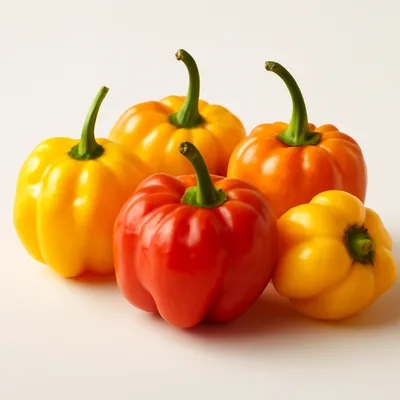
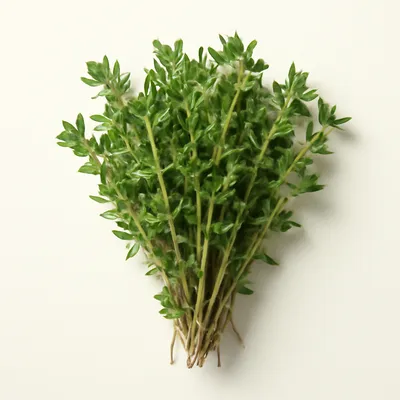
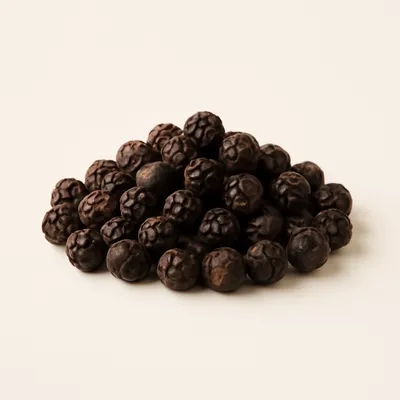
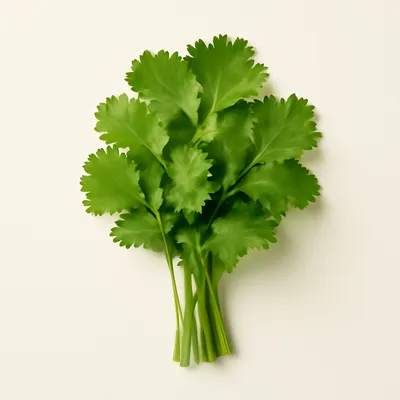


See all 45 ingredients›

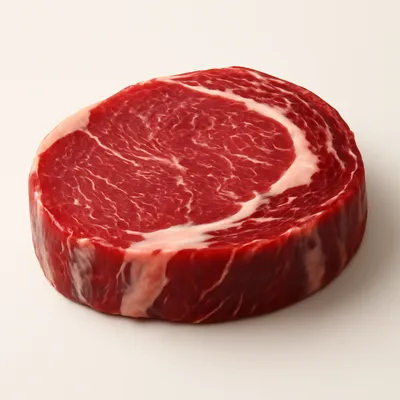

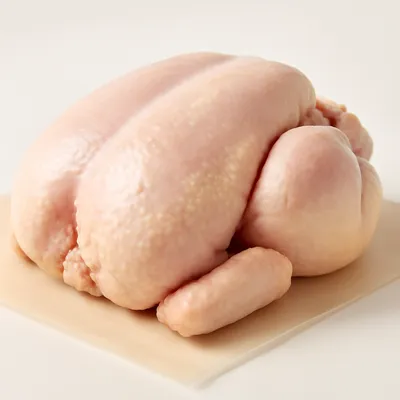

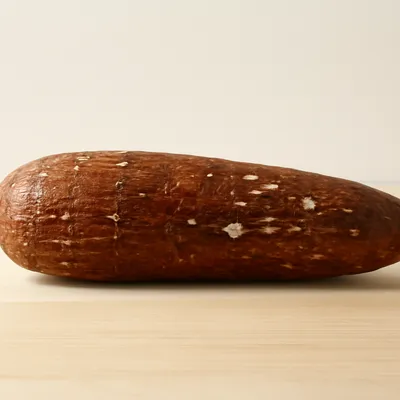


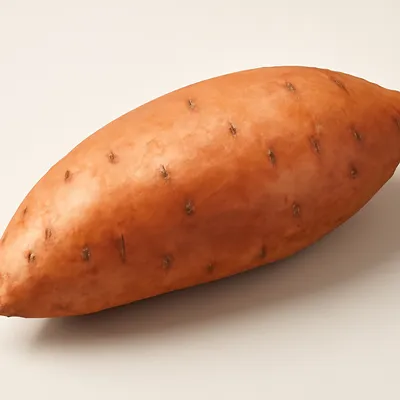
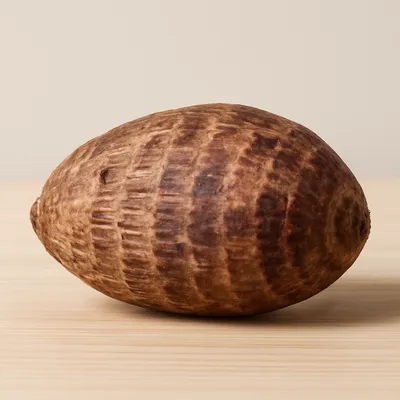
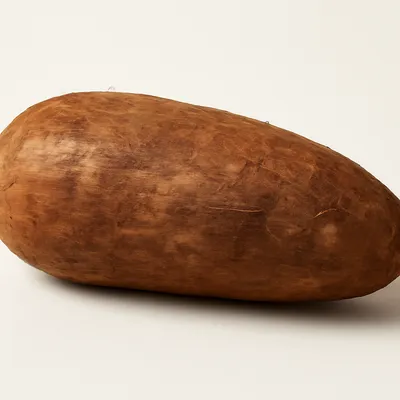
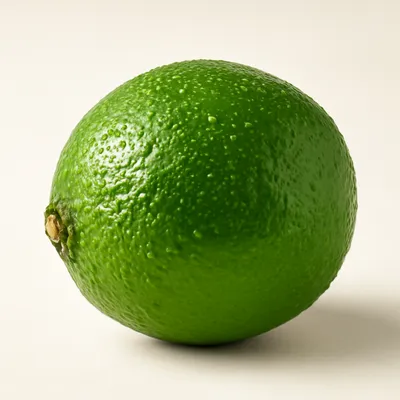
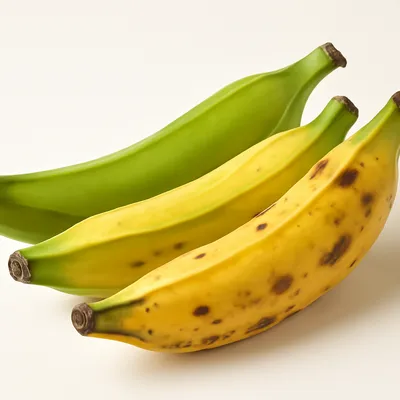

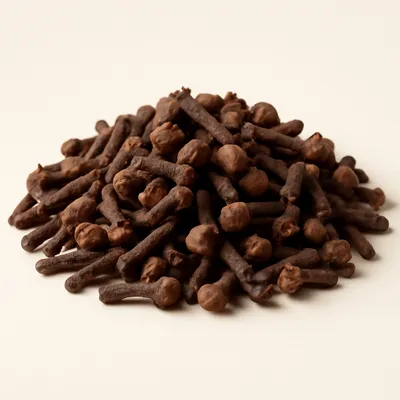

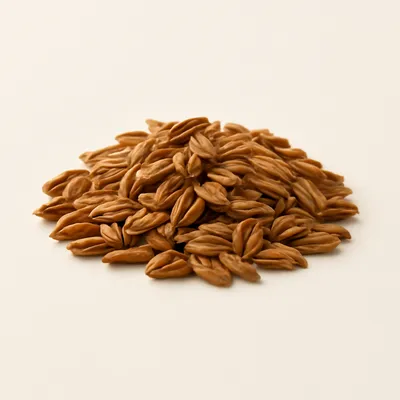

Grains & Staples
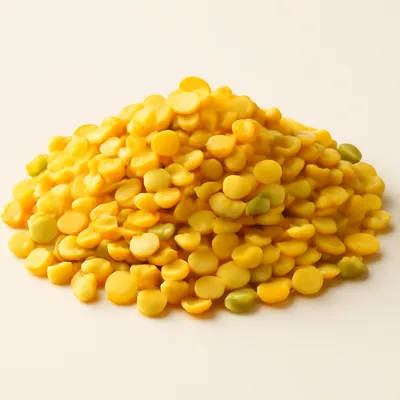

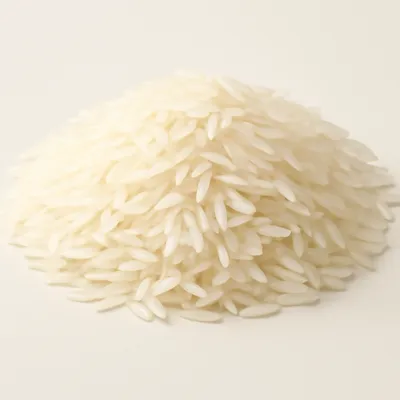


Dairy & Fats



Sauces & Condiments


On the Map
Where this cuisine is found
Regional Styles
Georgetown and Coast
The capital and the populated coastal plain. The most-diverse food culture combining Indo-Guyanese, Afro-Guyanese, Portuguese, and Chinese traditions. Curry shops, Caribbean restaurants, and pepperpot kitchens.
Berbice and Eastern Guyana
The eastern district on the Berbice River. Rural Indo-Guyanese culture, sugarcane production, and the most-traditional roti-and-curry cooking.
Demerara and Western Guyana
The Demerara River region with the Demerara rum tradition (world-famous). Portuguese-Madeiran heritage, garlic pork tradition.
How They Cook
Techniques that define this cuisine


