
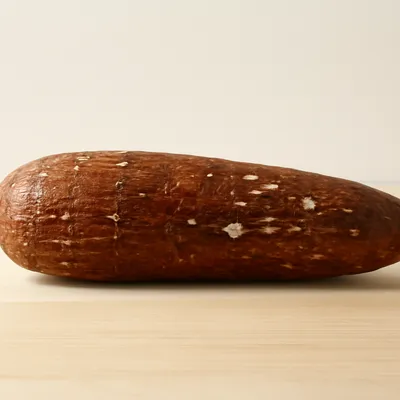
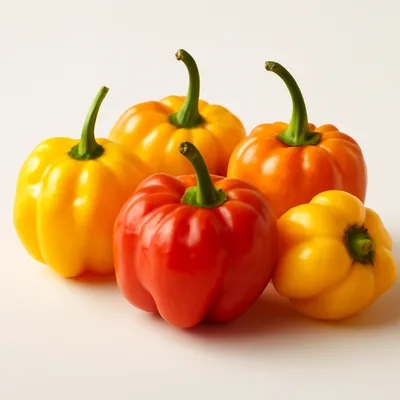
Guyana's national Christmas dish — chunks of beef, pork, and oxtail slow-simmered for hours with cassareep (concentrated bittersweet cassava juice), cinnamon sticks, whole cloves, hot wiri-wiri peppers, and brown sugar until the meat is fall-apart tender and the sauce is deep mahogany-black. Traditionally eaten Christmas morning with cassava bread (casabe) or plait bread. The cassareep both preserves and flavors; a pepperpot pot can sit for days, reheated with new meat added.
Pepperpot is the most-iconic Guyanese dish and the embodiment of Indigenous Amerindian, African, and European-colonial culinary heritages in one slow-cooked pot. The dish dates to pre-Columbian Arawak and Carib peoples, who developed cassareep — a concentrated bitter-sweet syrup made by boiling fresh cassava juice for many hours until the cyanide compounds are eliminated. Cassareep both preserves meat and adds distinctive bitter-sweet flavor. The technique was adopted by African slaves and European colonists in the 17th-19th centuries. The dish became synonymous with Guyana's Christmas tradition: on Christmas Eve, families start the pepperpot pot; on Christmas morning, it's eaten with cassava bread or plait bread. The pot can be refrigerated and reheated for up to a week, with new meat added each time — making it the original 'kitchen-of-perpetual-meat.' Each Guyanese family has its own pepperpot recipe with slight variations in spices and meat. Guyanese diaspora communities in NYC, Toronto, London, and Suriname have preserved the tradition. The dish is also eaten in Trinidad, Suriname, and other former-British Caribbean territories with regional variations.
Lift a piece of pepperpot from the pot — the meat is so tender it falls off the bone, glistening with a deep mahogany-black sauce. Bite: the meat melts (3-4 hours of slow cooking has rendered everything tender); the sauce is sweet-bitter-savory-spicy in equal measure (cassareep's bitter sweetness, brown sugar's caramel, pepper's slow burn, cinnamon's warmth, cloves' floral spice); the oxtail provides gelatinous richness, the pork its fatty-tender chunks, the beef its hearty chew. With a slice of cassava bread to mop the sauce and a glass of Demerara rum punch, this is the Guyanese Christmas morning — the African-Amerindian-European-Caribbean heritage in one bite. Pepperpot defines Guyana.
Cassareep is the secret ingredient — its bitter-sweet flavor and natural preservative properties (lactic acid and sugars) define pepperpot. Brown sugar (or panela) balances the bitterness. Long slow simmering breaks down the tough cuts (chuck, oxtail) into tender melting meat. Keeping the hot peppers whole infuses heat without overwhelming the dish; piercing or chopping them would make it too spicy. The reheating tradition (next day, third day) actually deepens the flavors as the meats continue to release collagen and the spices integrate.
Variations
Pepperpot with mutton or goat for the Hindu Christmas tradition. Pepperpot with chicken (lighter, quicker). Pepperpot with fish (eel or saltfish) for Good Friday. Pepperpot vegetarian (with mushrooms and root vegetables). Modern Guyanese-American versions use beef brisket and slow-cooker. The dish has spread to Trinidad, Suriname, and the wider Caribbean. The annual Guyana Pepperpot Festival celebrates the dish in December.
On the Palate
Where Pepperpot Guyanese sits in the Guyanese flavor cloud
Ingredients
Serves 8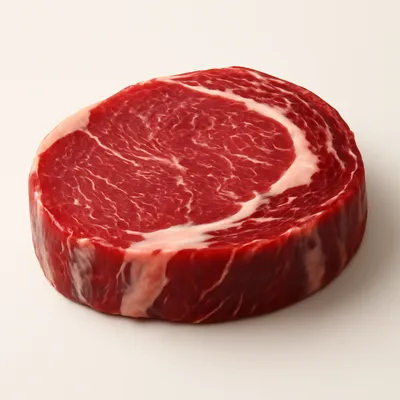










How it's made
15 steps · 1 hour active + 4 hours waiting
- 112 min
Source the meats: 800 g beef chuck or short ribs (cubed into 5-cm chunks), 500 g pork shoulder (cubed), 500 g oxtail (cut into 4-cm sections by butcher).
- 264 min
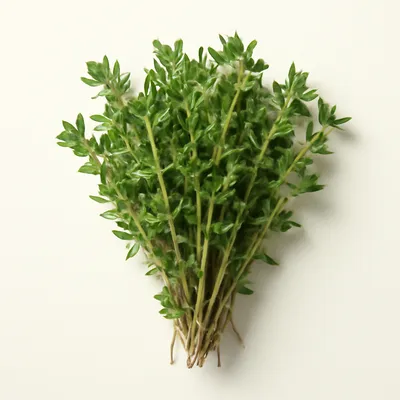
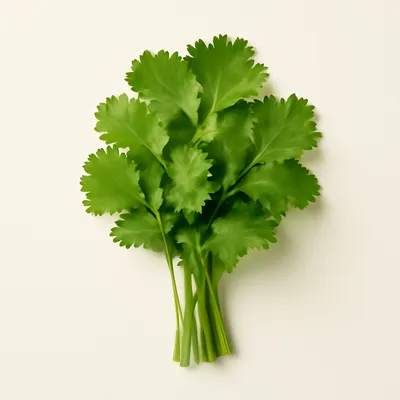
Season the meats: in a large bowl, combine all the meats. Add 2 tbsp salt + 1 tbsp black pepper + 1 tbsp ground thyme + 1 tbsp green seasoning (blend of cilantro, scallion, garlic, thyme, parsley, scotch bonnet). Mix; let marinate 1 hour or overnight.
- 34 min
Heat a large heavy pot (Dutch oven or large stockpot). Add 3 tbsp oil; heat over medium-high.
- 422 min
Brown the meats in batches: 5 min per side, transferring to a plate.
Watch outBrown the meat in unhurried batches until each side has a deep crust — crowding the pot steams it grey instead.
- 59 min
In the same pot, add 2 chopped onions + 8 minced garlic cloves; cook 8 min until soft.
- 63 min
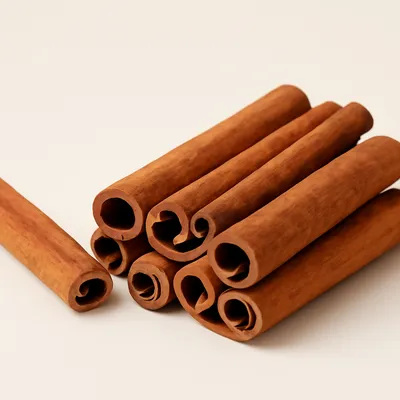
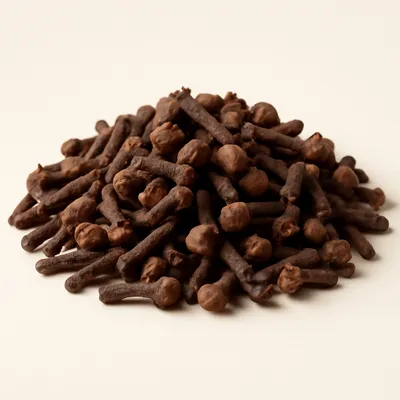
Add 2 cinnamon sticks + 6 whole cloves + 4 whole pimento (allspice) berries + 2 bay leaves + 2 whole wiri-wiri peppers (or Scotch bonnet, kept whole — don't break or pierce); cook 2 min.
- 74 min
Return all meats to the pot. Add 200 g cassareep + 100 g brown sugar (or panela) + 2 tbsp salt + 1 tbsp black pepper.
- 85 min
Add water to cover (about 1.5 L); bring to a boil.
- 9195 min
Reduce to a low simmer. Cover; cook 3-4 hours, stirring occasionally, skimming foam from the top.
Watch outOnce it's simmering, keep skimming the foam off the top so the final sauce stays clean and glossy.
- 101 min
After 2 hours: taste; adjust seasoning (more cassareep for darker color, more sugar for sweetness, more salt for depth, more peppers for heat).
- 115 min
Continue cooking until the meats are fall-apart tender and the sauce is thick and glossy-black.
Watch outIt's ready when the meat falls off the bone and the sauce coats a spoon in a thick, shiny black.
- 121 min
Remove the hot peppers (whole) before serving — they've infused enough heat.
- 1322 min
Optional: add 200 g cooked cassava chunks for the last 20 min.
- 1412 min
Serve hot in deep bowls with: cassava bread (casabe), plait bread, or boiled rice. Some Guyanese eat it with bread for sopping the rich sauce. Drink with Demerara rum punch (Christmas day) or beer.
- 155 min
To keep: the pepperpot pot can be refrigerated up to 5 days. Reheat by bringing to a boil; add new meat and additional cassareep as needed.


