
Guyana's Indo-Caribbean signature flatbread — paper-thin, soft, flaky paratha-style roti made with flour, water, and ghee, brushed with oil between layers, hand-rolled into a tight coil (in dhalpuri's case, with split-pea filling), then rolled flat and griddle-cooked. The wrap for curry chicken; the universal Guyanese bread.



Roti dates to the Indian indentured-labor era of 1838-1917, when over 350,000 Indians (mostly from Bihar and Uttar Pradesh) came to Guyana. They brought their flatbread traditions — paratha, dhalpuri, sada roti — and adapted them to local conditions. The Guyanese paratha (also called 'oil roti' or 'buss-up-shut') is layered and flaky, similar to Malaysian roti canai. Dhalpuri roti is the signature Indo-Guyanese variation: filled with seasoned ground split peas. Sada roti is the simplest unleavened version, eaten daily with curry. The roti-making tradition is highly skilled: a good roti-maker (roti-walla) can roll out 50+ rotis per hour. The dish is the universal Indo-Guyanese accompaniment to curry; every Guyanese-Indian household has its own roti recipe, often guarded as a family secret. Modern Guyanese-American Brooklyn restaurants serve dhalpuri and paratha as their signature breads.
Tear off a piece of a freshly-cooked roti — soft and pliable, with visible flaky layers separated by air pockets and pea filling, slightly oily from the ghee brushing. Bring it to curry chicken: scoop a piece up with the roti, taste both together. The roti is yeasted-light, slightly chewy, with the subtle nutty-savory flavor of the split-pea filling threading through. The ghee adds buttery richness; the layers separate as you tear, allowing curry to soak in. With each bite, the roti and curry become inseparable — the Caribbean-Indian fusion in one mouthful. Roti is more than bread; it's the vehicle for the Guyanese meal.
The dough's combination of flour, baking powder, ghee, and water creates a soft, pliable bread. The 30-min rest allows the gluten to relax for easier rolling. The split-pea filling (cooked just enough to stay coarse) provides flavor and texture without making the dough hard to roll. The ghee brushing between cooking phases creates the layered, flaky texture (similar to puff pastry technique). The 'buss-up' clapping is what differentiates Guyanese roti from Indian paratha — the breaking up creates the signature shredded-bread appearance.
Variations
Sada roti (plain, unfilled, daily bread). Dhalpuri (filled with seasoned split peas, signature). Paratha (layered with ghee, no filling). Aloo paratha (with potato filling). Modern Brooklyn restaurant versions with truffle butter. The Guyana Roti Festival in December showcases regional variations.
On the Palate
Where Roti Guyanese sits in the Guyanese flavor cloud
Ingredients
Serves 6


How it's made
15 steps · 1 hour 30 min active + 1 hour 30 min waiting
- 13 min
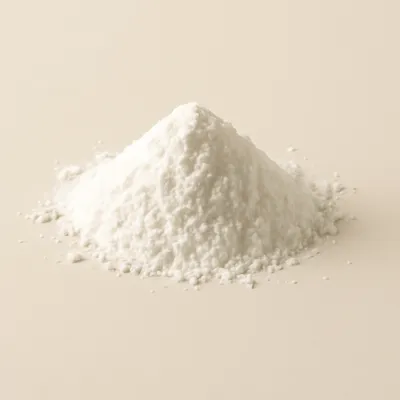
Make dough: in a large bowl, combine 500 g all-purpose flour + 2 tsp baking powder + 1 tsp salt + 1 tsp sugar.
- 23 min
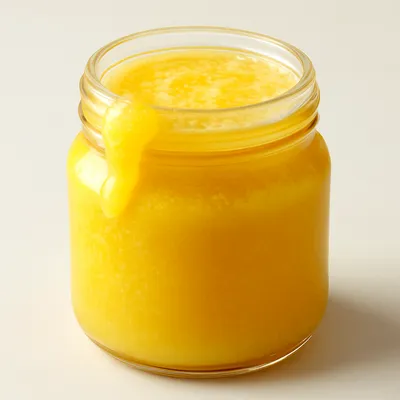
Add 4 tbsp ghee (or oil) and 300 ml warm water. Mix to form a soft dough.
- 332 min
Knead the dough 8 min on a floured surface until smooth and elastic. Cover with a damp cloth; rest 30 min.
Watch outKnead until the dough is smooth and springs back, then rest it a full half hour — skip the rest and it fights you when you roll.
- 432 min
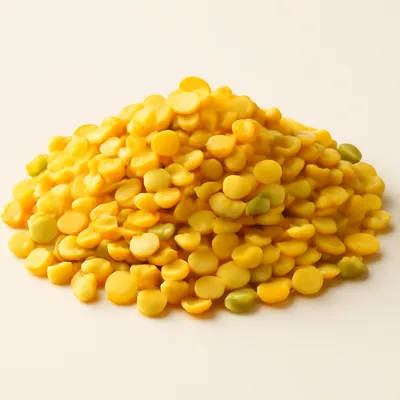
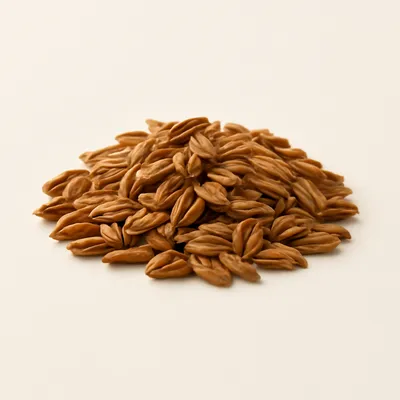
Make split-pea filling (for dhalpuri): boil 100 g split yellow peas in 500 ml water with 1 tsp salt + 1 tsp turmeric + 1 tsp cumin until just-tender but firm (about 30 min). Drain; cool.
- 55 min
Coarsely grind the cooked peas with 2 minced garlic cloves + 1/2 tsp ground cumin + 1/2 tsp salt + 1 tsp Guyanese curry powder. Should be coarse, not a paste.
- 64 min
Divide the dough into 8 equal portions (about 100 g each). Roll into balls.
- 76 min
Flatten each ball into a disk; place 2 tbsp split-pea filling in the center; gather the edges up to enclose the filling; pinch to seal.
- 811 min
Rest the filled balls 10 min on a floured surface (covered).
- 96 min
On a lightly-floured surface, roll out each filled ball into a thin round 25-30 cm wide (about 2-3 mm thick). The pea filling should distribute evenly through the dough.
Watch outRoll thin and even, 2 to 3 mm, so the pea filling spreads through without tearing through the dough.
- 103 min
Heat a heavy flat griddle or tawa over medium heat. Brush with a thin layer of oil or ghee.
- 112 min
Place a rolled roti on the hot griddle; cook 1-2 min until small bubbles form.
- 124 min
Brush the top with oil/ghee; flip; cook 1-2 min on the second side. Brush again; flip; cook another 30-60 seconds, pressing the roti lightly with a flat spatula to create steam pockets.
Watch outFirst side is ready when small bubbles rise; brush with ghee before each flip — that's what builds the flaky layers.
- 132 min
Transfer to a kitchen cloth; 'buss-up' (clap or break up) the roti by lifting one end and slapping it on the other — this creates the signature flaky-layered texture.
Watch outWhile it's still hot off the griddle, clap and crush it between your hands until it shreds — that's the buss-up look.
- 144 min
Wrap finished rotis in a clean cloth to keep warm and soft. Repeat with remaining rotis.
- 153 min
Serve immediately with curry chicken, curry duck, curry goat, channa-and-aloo, or pumpkin curry. Eat with the right hand: tear off a piece, scoop the curry. Drink with mauby or sweet beer.


