
Montenegro's Adriatic coast fish stew — a mix of 3-4 firm white-fleshed fish (sea bass, John Dory, scorpion fish, monkfish) and shellfish (mussels, prawns), slow-simmered with onion, garlic, tomato, white wine, parsley, and saffron in a clay pot. Served with polenta or crusty bread to soak up the broth. The catch-of-the-day dish of Kotor and Budva fishermen.





Riblji brodet (literally 'fish brodet') is the universal Adriatic fish stew, with versions in Croatian Dalmatia (where it's called brudet), Italian Marche (brodetto), Slovenian Istria, and Montenegrin coast. The Montenegrin version is found along the Bay of Kotor and the Budva-Bar coast, where fishermen would prepare it from the day's mixed catch — fish too small to sell individually, plus broken pieces, plus shellfish, all simmered together. The dish dates to at least medieval times when Kotor was a major Mediterranean trading port (under Venetian rule for 400 years). The signature technique distinguishes Montenegrin brodet from Italian: (1) more saffron (Venetian influence retained), (2) addition of paprika (Balkan influence), (3) served with polenta (Italian influence) rather than just bread. The dish is the iconic Bay of Kotor restaurant offering — every harbor restaurant in Kotor, Perast, and Budva serves their own version. The dish is best eaten outdoors with sea view, white wine, and friends.
Lift the lid from the brodet — the steam carries saffron, garlic, tomato, parsley, sea. Inside: fish chunks tender in a saffron-tinted scarlet broth, mussels open like flowers, prawns pink and curling. First bite: the broth tastes deeply of the sea (the fish has released its flavors during the simmer), bright with tomato acidity, warming with paprika, perfumed with saffron, threaded with parsley freshness. Each fish has a different texture: monkfish meaty and chewy, John Dory delicate and flaky, scorpion fish firm and gelatinous. The mussel adds briny depth; the prawn adds sweet richness. With polenta to catch the broth and chilled Krstač wine, this is the Bay of Kotor on a plate — a 1,000-year-old Mediterranean tradition.
Adding the fish in stages (firmer first) ensures each type cooks to its proper texture — overcooking firm fish makes it rubbery, undercooking delicate fish makes it raw. Not stirring after adding fish is essential — the gentle simmer means the fish stays in chunks; stirring breaks it apart. The shellfish goes in last because mussels open in 4-5 min and prawns cook in 3-4 min — any longer makes them tough. Saffron is bloomed in the warm sauce (rather than dry-added) to extract maximum color and flavor. The polenta side soaks up the saffron-tomato broth (the broth is half the dish).
Variations
Skadar Lake brodet (freshwater) uses carp, catfish, eel — completely different fish profile. Mussel-only brodet (vegetarian-fish), for lighter version. Modern Kotor restaurant version finishes with a drizzle of pesto and salmon roe (innovative). Spicy brodet adds 1-2 fresh chilies. Lobster brodet (premium) for special occasions. Grilled-then-stewed brodet briefly grills the fish before adding to the sauce (smoky flavor). One-pot bake version (Mediterranean fusion).
On the Palate
Where Riblji Brodet sits in the Montenegrin flavor cloud
Ingredients
Serves 4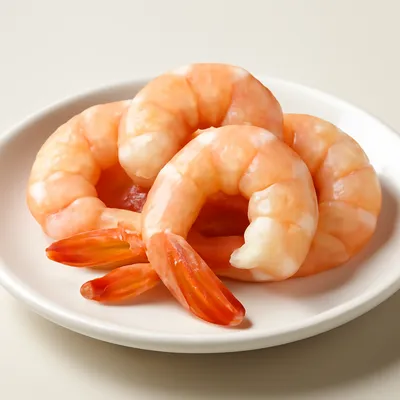









How it's made
18 steps · 35 min active + 55 min waiting
- 112 min
Source fish: 1.5 kg total of 3-4 firm-fleshed white fish (sea bass, John Dory, scorpion fish, monkfish, hake — choose what's fresh), gutted, scaled. Cut into 5-cm chunks (smaller fish whole).
- 26 min
Clean shellfish: 500 g mussels (debearded), 8 large prawns (head-on, shell-on).
- 33 min
Season fish chunks with 1 tsp salt + 1 tsp black pepper. Set aside.
- 43 min
In a wide heavy clay pot (or Dutch oven), heat 5 tbsp olive oil over medium heat.
- 510 min
Add 2 large finely-chopped onions; cook 8 min until soft.
- 62 min
Add 6 minced garlic cloves; cook 1 min.
- 72 min
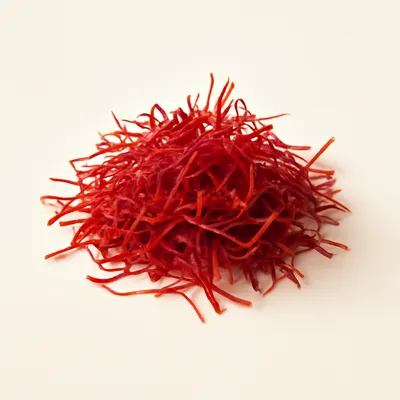
Add 1 tbsp sweet paprika + 1 pinch saffron threads (about 0.5 g) + 1 tbsp tomato paste; cook 1 min.
- 85 min
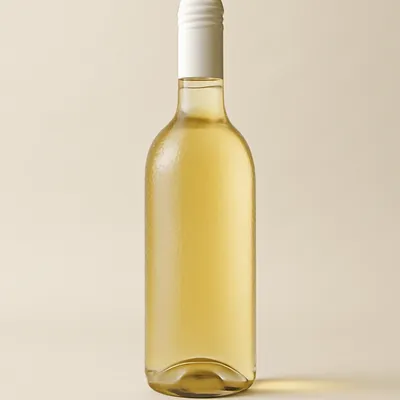
Add 300 ml dry white wine (Krstač or similar); simmer 3 min.
- 94 min
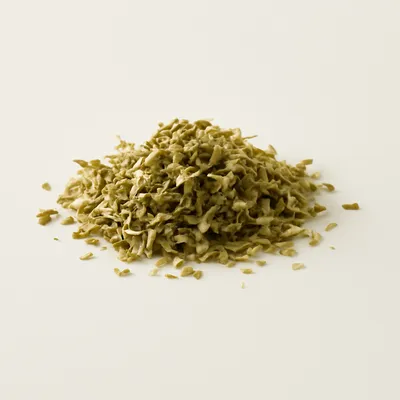
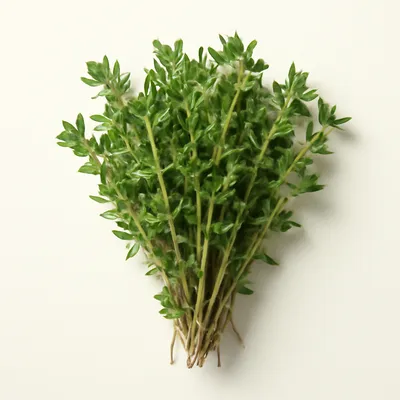
Add 600 g chopped tomatoes (peeled, ripe, or canned San Marzano) + 1 bay leaf + 1 tsp dried oregano + 1 tsp dried thyme + 1 tsp salt.
- 1016 min
Simmer the sauce 15 min until thickened.
- 112 min
Add 300 ml fish stock (or water).
- 124 min
Carefully arrange the fish chunks in the sauce, beginning with the firmest-fleshed fish (monkfish first, John Dory last) — they have different cooking times.
Watch outLay the firm fish in first and the delicate pieces last — they finish at different times, so staggering keeps each just-set instead of rubbery-or-raw.
- 138 min
Cover; gently simmer 8 min — do not stir (the fish will break apart).
Watch outOnce the fish is in, do not stir — a bare simmer keeps the chunks whole; a spoon through it shreds them into the sauce.
- 146 min
Add mussels and prawns; cover and cook 5 more min until mussels open and prawns are pink.
Watch outPull it the moment the mussels gape open and the prawns turn pink, around five minutes — any longer and the shellfish goes tough.
- 151 min
Discard any unopened mussels.
- 163 min
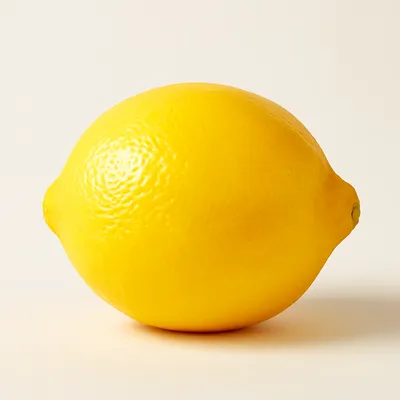
Stir in 4 tbsp chopped fresh parsley + 1 tbsp lemon juice. Taste; adjust salt and pepper.
- 1728 min
Make polenta: in a separate pot, bring 1 L water + 1 tsp salt to a boil. Slowly whisk in 200 g coarse cornmeal. Cook 25 min, stirring, until thick. Stir in 2 tbsp butter.
- 185 min
Plate: spoon polenta into shallow bowls. Top with brodet (fish, sauce, shellfish). Garnish with parsley sprigs. Serve with extra crusty bread and chilled white wine.


