


Montenegrin
Njeguški pršut (Montenegro PDO) dry-cured in the mountain wind off Lovćen, kačamak cornmeal porridge with kajmak, jagnetina ispod sača — lamb roasted under the iron bell with hot ash — and Skadarski šaran from Lake Skadar: Montenegrin cooking is Adriatic coast meeting the karst highlands, Italian and Ottoman inflections folded into a Dinaric pantry.
Njeguški Pršut
Montenegro's most-celebrated specialty — pork legs hand-rubbed with sea salt, weighted to drain blood and moisture for 3-6 days, then air-dried and cold-smoked over beech wood for 4-8 weeks in the cold mountain air of Njeguši village (1,000m elevation, near Cetinje). The result is a sweet-savory, deeply-fragrant cured ham. Sliced paper-thin and served as the universal Montenegrin appetizer with cheese, olives, and a glass of red wine or rakija.
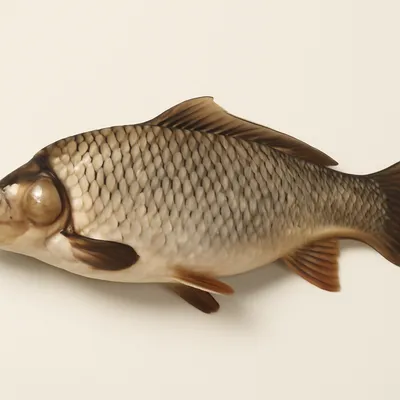
View page →Montenegro is the smallest of the Balkan nations and the most-mountainous in Europe (the name itself means 'black mountain'). Its cooking has three distinct geographical foundations: the Adriatic coast (Italian-Venetian seafood influence, fresh octopus, brodet fish stew, olive oil), the central highland Lovćen-Durmitor mountains (sheep cheese, lamb, kačamak cornmeal, Njeguški pršut), and the Skadar Lake basin (freshwater carp, eel, wild duck, wine country). The 1,000-year tradition of njeguški pršut — beech-smoked, bora-wind-dried mountain ham from Njeguši village — is the gastronomic ambassador. The kajmak (clotted cream) tradition is among Europe's most-developed: Montenegrin kajmak goes on everything from cornmeal porridges (kačamak, cicvara) to grilled meats (pljeskavica). The sač cooking technique — slow-baking food under a heavy iron bell covered with hot embers — is the signature outdoor festive technique. Plum brandy (rakija) is the social-fabric beverage; Modra Frankinja and Vranac are the national wines. Cetinje (the historic royal capital), Kotor (the UNESCO-listed Bay of Kotor), and Skadar Lake all anchor regional identity. The cuisine reflects 1,000 years of mountain-isolated tradition plus Ottoman influence plus Venetian coastal trade.
The Palate
Start Here
Whole pork legs salt-cured for 3 weeks, beech cold-smoked for 60 days, then air-dried in the Njeguši mountain bora wind for 6-8 months. Sliced paper-thin and served raw with Njeguški cheese, dried figs, olives, and rakija.
Why start here · Montenegro's most-famous export product. The 14th-century Lovćen mountain ham tradition. Tasted alongside Italian prosciutto and Spanish jamón, Njeguški has a smokier, ruggeder character — pure mountain food.
Coarse cornmeal slowly simmered with water, then beaten vigorously with melted butter and large quantities of grated kashkaval, Njeguški cheese, and kajmak until dense, glossy, and stretchy. Served piping-hot.
Why start here · Montenegro's signature mountain dish. The dairy abundance of Montenegrin highlands made visible. Demonstrates the dish's stretching technique — closer to French aligot than Italian polenta.
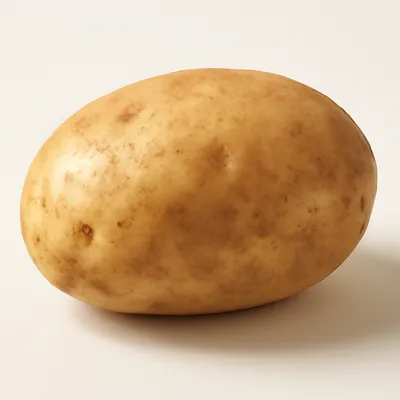
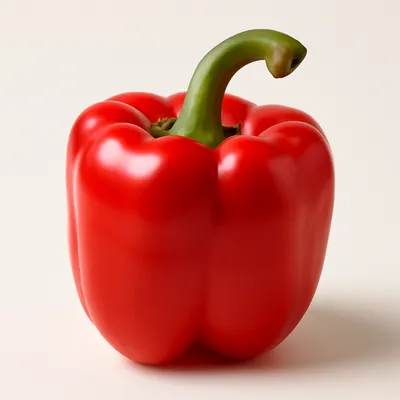
Chunks of lamb, potatoes, onions, peppers slow-cooked under a heavy iron bell (sač) covered with hot wood embers for 2-3 hours. The meat falls off the bone; the potatoes absorb all the lamb juices.
Why start here · Montenegro's signature cooking technique. The outdoor feast that has crowned weddings, baptisms, and Slava feasts for 700 years. Master the sač technique and you understand mountain Balkan cuisine.
The Pantry





See all 51 ingredients›








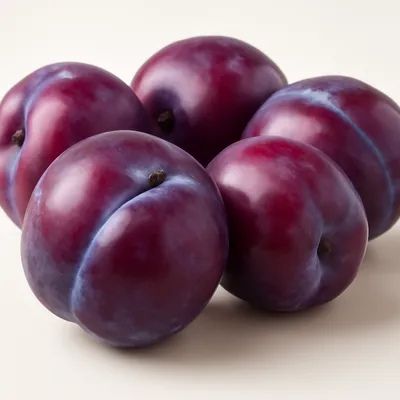


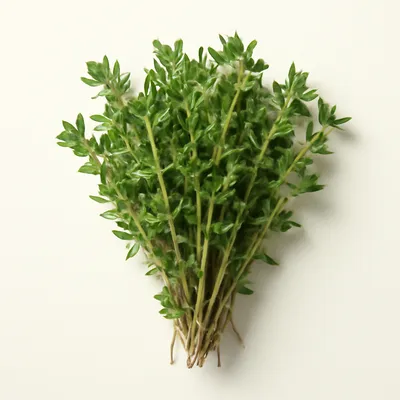


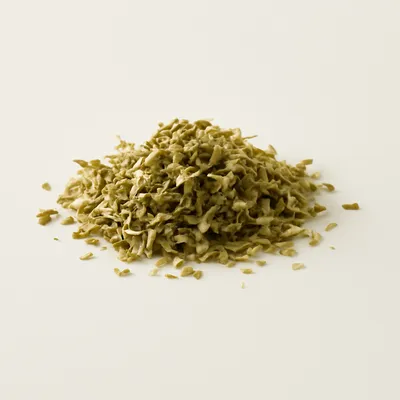
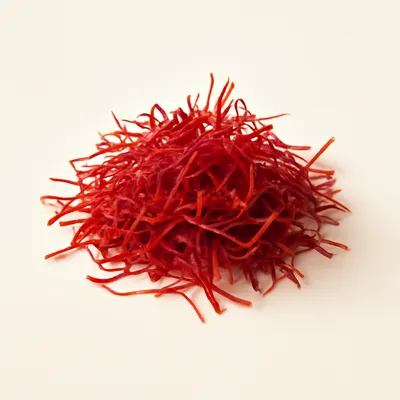







Sauces & Condiments


On the Map
Where this cuisine is found
Regional Styles
Njeguši and Lovćen Mountains
The Petrović royal homeland in the limestone Lovćen highlands. Pršut and Njeguški-cheese production heart. Tradition unchanged for 600 years.
Bay of Kotor and Adriatic Coast
UNESCO-listed Kotor fjord. Venetian-Italian-influenced seafood. Brodet fish stew, octopus salad, olive oil, white wines.
Skadar Lake and Crnojevići Basin
Lake Skadar (Balkan's largest), wild bird sanctuary, Crmnica wine region. Freshwater fish, wild duck, plum orchards.
How They Cook
Techniques that define this cuisine


