
Montenegro's cornmeal-and-kajmak porridge — a lighter version of kačamak made by cooking fine cornmeal in milk and butter until just-thick, then beating in a generous quantity of kajmak until the mixture is silky-smooth and glossy. Served piping-hot in deep bowls with extra kajmak melting on top. The breakfast and brunch staple of Montenegrin mountain villages.

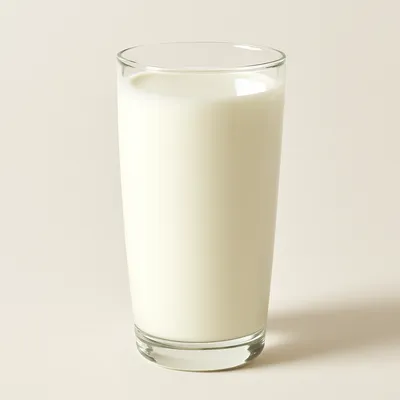



Cicvara is a Montenegrin highland tradition that differs from kačamak in key ways: cicvara uses milk (not water) as the cooking liquid, uses fine cornmeal (not coarse), and includes much more kajmak. The result is a smoother, lighter, more-buttery porridge — closer to French aligot than Italian polenta. The dish is closely associated with Montenegro's mountain regions (Durmitor, Bjelasica, Sinjajevina) where dairy production is the foundation of the economy. Cicvara is traditionally a breakfast dish for shepherds and farmers — high in protein and fat, easy to digest, sustaining through long days of physical work. The dish is also a frequent convalescent food for the sick or elderly. Modern Montenegrin restaurants serve cicvara as a brunch item, often with smoked meat or kajmak on top. The technique requires patience and timing — the kajmak must be added at the right consistency for the silky finish.
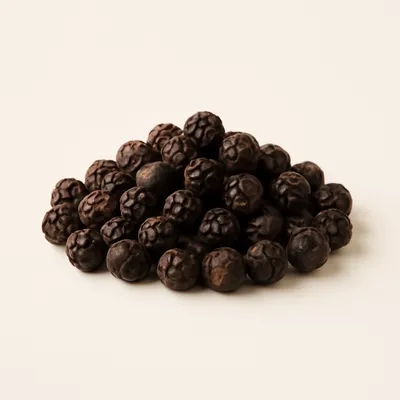
Lift a spoonful of cicvara — it's the color of pale gold, smooth as silk, with melted kajmak pooling on top. It has a slight glossy sheen. First taste: the kajmak's tangy-creamy richness hits first (it's like eating clouds of cultured cream), then the cornmeal's earthy-sweet flavor comes through, the butter binding everything in a coating-the-mouth way. The texture is the marvel — almost mousse-like, but warm and savory. The black pepper on top provides bright contrast. With a piece of country bread to scoop, fresh chopped onion to bite, and a sip of rakija (or strong Montenegrin coffee), this is mountain-shepherd's breakfast turned into mountain-shepherd's pride.
Using milk (instead of water) as the cooking liquid gives cicvara its smoother, creamier texture — milk's lactose adds sweetness and milk fat coats each cornmeal grain. The fine cornmeal (vs the coarse cornmeal used for kačamak) cooks faster and produces a smoother porridge as its starch gelatinizes above ~60°C, swelling and cross-linking to thicken the porridge. Adding kajmak in 3 batches (rather than all at once) ensures complete incorporation; because kajmak is roughly 60% milk fat and only ~5% protein, the silkiness comes from fat emulsifying through the starch matrix — not from casein stretch as in French aligot, so the goal of stirring is uniform smoothness rather than stretch. Pre-warming the bowls is essential — cold bowls cause the high-fat kajmak to firm up too quickly.
Variations
Cicvara with bacon (Crmnica tradition) renders bacon first and uses the rendered fat instead of butter. Cicvara with cheese (Sinjajevina) adds 100 g grated kashkaval. Sweet cicvara (children's breakfast) uses sugar and honey instead of salt. Pumpkin-seed-oil cicvara (Štajerska influence) finishes with pumpkin-seed oil. Cicvara with smoked sausage (winter version) tops with sliced kulen. Modern restaurant version garnishes with truffle shavings and quail egg. Cold leftover cicvara is also eaten (slice and pan-fry).
On the Palate
Where Cicvara sits in the Montenegrin flavor cloud
Ingredients
Serves 4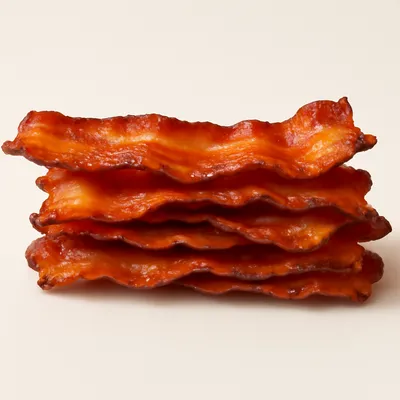

How it's made
12 steps · 25 min active + 10 min waiting
- 14 min
In a heavy-bottomed pot, combine 500 ml whole milk + 250 ml water + 1 tsp salt. Bring to a gentle simmer over medium heat.
- 23 min
Slowly whisk in 200 g fine cornmeal (kukuruzni griz, fine grind) in a thin stream — whisking constantly to prevent lumps.
Watch outRain the cornmeal in a thin thread while whisking hard — dump it in and you get lumps you can't beat out.
- 311 min
Reduce heat to low. Cook 10-12 min, stirring frequently with a wooden spoon, until the cornmeal is fully cooked and the mixture has thickened to a custard-like consistency. The mixture should pull away slightly from the sides but still flow.
Watch outCook until it thickens like custard and just pulls from the pot side but still flows — that's the moment to add butter.
- 43 min
Add 100 g butter; stir vigorously until completely melted and incorporated. The mixture should become silky.
- 55 min
Add 300 g kajmak in 3 batches, stirring vigorously after each batch until completely incorporated. The mixture should become glossy and smooth.
Watch outAdd the kajmak in three goes, beating smooth each time until it turns glossy and pulls off the pot in a stretch.
- 64 min
Continue stirring 3-5 min — the cicvara should be silky, slightly stretchy, and pull away from the pot when stirred. It's softer than kačamak.
- 71 min
Taste; adjust salt. The kajmak's saltiness varies — cicvara should be just-barely-salty.
- 81 min
Remove from heat.
- 91 min
Divide into 4 deep pre-warmed bowls.
- 102 min
Top each portion with: 1 generous spoonful (50 g) of extra kajmak, 1 tbsp melted butter drizzled over, and a sprinkle of cracked black pepper.
- 111 min
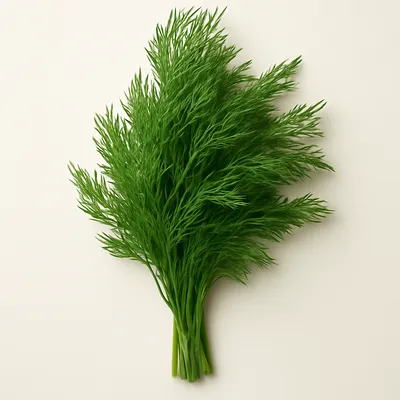
Optional toppings: 50 g crumbled smoked bacon (rendered crispy), 1 tbsp pumpkin-seed oil, or 1 tbsp fresh dill.
- 122 min
Serve immediately — cicvara hardens significantly as it cools. Eat with a spoon, alongside: country bread, hot peppers, raw onion, and rakija (for breakfast) or strong coffee.
Watch outGet it to the table straight away — cicvara stiffens fast as it cools.


