
Slovenia's signature rolled dumplings — paper-thin strudel-style dough spread with a filling (cottage cheese, tarragon, walnut, apple, or many other variations), rolled tightly into a log, wrapped in a cloth, then boiled or steamed. Sliced into rounds and served warm with melted butter, sour cream, or breadcrumbs. The 70+ regional variations make štruklji the most-versatile Slovenian dish — eaten as main course, side, dessert, or breakfast.




Štruklji is among the oldest documented Slovenian dishes — the oldest surviving recipe, for tarragon štruklji (štruklji s pehtranom), was written in 1589 by the court chef of the Archduke at Graz, Austria. The dish is the universal Slovenian preparation: every region has its own version (Prekmurje uses cottage cheese, Gorenjska uses tarragon, Štajerska uses walnuts, the coast uses apples), every season has its own filling, and every family has its own technique. The name comes from German Strudel (dialect 'Struckel'), meaning 'whirlpool' — describing the spiral cross-section of the rolled dough; Slovenia was part of the Habsburg empire for ~600 years, and the dough is stretched paper-thin like Austrian strudel. The filling is spread evenly; the log is rolled tightly. Boiling or steaming (rather than baking) keeps the dish moist and tender. The dish is the centerpiece of Slovenian Sunday lunches, weddings, and Easter feasts; the Soča Valley town of Kobarid has its own celebrated kobariški štruklji, where cooks press a fingerprint into the center of each as a signature. Modern Ljubljana restaurants serve dozens of štruklji variations including blueberry, chocolate, and savory mushroom.
Slice into a štrukelj round — the paper-thin dough has gone tender from boiling, the cottage-cheese filling creamy and just-set, the spiral pattern showing. First bite: the dough is so thin it's almost translucent, the cottage cheese creamy and tangy with a hint of egg richness, the buttered breadcrumbs on top adding crunch and a toasted, nutty note, the sour cream's coolness balancing it. Each slice goes down in a bite or two — a clean contrast between the tender wrap and the creamy inside.
The dough's high egg-and-oil content makes it strong enough to stretch paper-thin without tearing — strudel-style technique that takes years to master. The filling's cottage cheese has just enough moisture (when mixed with semolina to absorb excess) to stay creamy without leaking. Boiling rather than baking keeps the dough soft and tender — baking would make it crispy. Wrapping in cloth and tying tightly prevents the log from unrolling during boiling. The melted-butter-and-breadcrumb topping is critical — it adds the crispy-toasted contrast that the boiled dough lacks.
Variations
Tarragon štruklji (Gorenjska region) uses fresh tarragon-and-cottage-cheese filling. Walnut štruklji (Štajerska) uses ground walnuts + sugar + cinnamon. Apple štruklji uses thinly-sliced apple + cinnamon-sugar (autumn classic). Mushroom štruklji uses sautéed wild mushrooms (forest-foraged, autumn). Buckwheat štruklji uses buckwheat flour dough (Carniola tradition). Baked štruklji (rather than boiled) gets a crispy top (modern variation). Mini štruklji for catering.
On the Palate
Where Štruklji sits in the Slovenian flavor cloud
Ingredients
Serves 4


How it's made
15 steps · 45 min active + 45 min waiting
- 112 min
Make dough: in a bowl, combine 400 g all-purpose flour + 1 large egg + 1 tsp salt + 1 tbsp oil + 220 ml warm water. Knead 10 min until smooth and elastic.
- 235 min
Form into a ball; brush with oil. Cover with warm bowl; rest 30-60 min at room temperature.
- 38 min
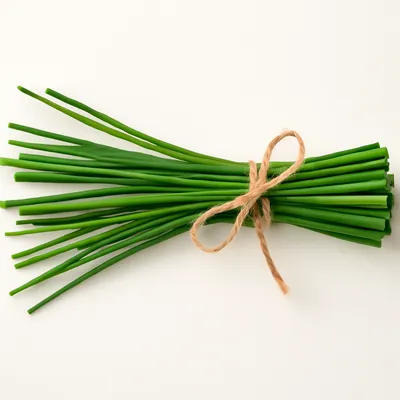
Make filling (Prekmurje cottage cheese version): mix 500 g cottage cheese + 2 large eggs + 100 g sour cream + 3 tbsp semolina + 1 tsp salt + 2 tbsp sugar (for sweet version) or 2 tbsp chopped chives (for savory version).
- 44 min
On a large floured cloth (about 80 × 60 cm), roll out the dough into a thin rectangle.
- 58 min
Carefully stretch the dough with the backs of your hands (knuckles, not fingers) until it's paper-thin — you should be able to read text through it. The dough should cover the entire cloth.
Watch outHold the stretched sheet up to the light — you should see print or your hand's shadow through it. That's thin enough.
- 62 min
Brush the dough lightly with melted butter (50 g).
- 74 min
Spread the filling evenly over the stretched dough, leaving a 5-cm border on one long side.
- 86 min
Using the cloth, lift the long edge nearest you; roll the dough away from you into a tight log. Pinch the ends shut.
Watch outRoll away from you into a snug log with no air gaps, then pinch the ends fully closed so nothing seeps.
- 92 min
Cut the log into 4 sections (each about 20 cm long).
- 103 min
Wrap each section in cheesecloth or a clean kitchen towel; tie the ends with string.
- 118 min
Bring a large pot of salted water to a boil. Gently lower in the wrapped logs.
- 1228 min
Boil 25-30 min (the dough should be fully cooked, the filling set).
Watch outThe log is done when the dough is cooked through and the filling has set firm — give it 25-30 min at a gentle boil.
- 136 min
Remove; let rest 5 min wrapped.
- 143 min
Unwrap; slice into 2-cm rounds.
- 154 min
Serve hot: pour melted butter mixed with toasted breadcrumbs over the slices. Add a dollop of sour cream. Sprinkle with chopped chives (savory) or cinnamon-sugar (sweet).


