
Slovenia's EU-protected (TSG) signature layered cake from Prekmurje — alternating layers of poppy seed, quark (cottage cheese), walnut, and apple fillings between paper-thin pastry sheets, baked into a 9-layer cake. Each filling is repeated twice. The dish is the most-recognized Slovenian dessert and a symbol of Pannonian-Slovenian identity.


Prekmurska gibanica is the most famous of Slovenia's Prekmurje regional dishes. The name comes from 'güba' (fold) / 'gibati' (to fold or move) — referring to the layering technique; 18th-century lexicographer Pohlin already recorded it as 'gebanza.' Its oldest documented reference is from 1828, when the Prekmurje priest Jožef Košič (József Kossics) wrote that no wedding was held without it and described the technique of thin-rolled dough sprinkled with filling, covered, drizzled with sour cream, and layered. The dish received Slovenian national protection in 2004 and EU Traditional Speciality Guaranteed (TSG) status in 2010 — the TSG protects the recipe and method (4 fillings, minimum 9 layers), not geographical origin, so any producer following the specification may use the name. The four fillings represent Prekmurje's agricultural abundance: poppy seed (poppy fields), quark/cottage cheese (dairy), walnut (nut groves), and apple (orchards). The dish is the centerpiece of Prekmurje weddings, Slavic Easter, and family celebrations. The annual Prekmurska Gibanica Festival in Beltinci attracts thousands; the world's largest prekmurska gibanica (weighing 2.5 tons) was made there in 2016. Despite its complexity, the dish is considered a homemade-only tradition — store-bought versions are looked down upon. The dish is paired with Modra Frankinja (Blaufränkisch) red wine.
Slice through prekmurska gibanica — the cross-section is breathtaking: alternating layers of dark-purple poppy, white cottage cheese, golden walnut, pale-green apple, separated by golden pastry sheets. Lift a piece: it's hefty but elegant. First bite: each forkful tastes different depending on which layer you hit. Poppy seed: earthy, nutty, slightly-bitter. Cottage cheese: creamy, tangy, raisin-sweet. Walnut: deeply-nutty, cinnamon-warm. Apple: tart-sweet, cinnamon-cool. The pastry binds them; the top crust gives crunch. This is the Pannonian-Slovenian harvest in a single slice — each filling represents a different field. With Modra Frankinja red wine, it's the dish that crowns weddings and Easter.
The 9 (or more) thin pastry layers act like architectural beams — they hold the wet fillings in place and prevent them from blending. Each filling has different moisture content (apple highest, walnut lowest); the layering order matters — wetter fillings near the bottom and middle, drier near the top. The butter-and-sour-cream drizzle between layers is essential — it lubricates the layers (so they don't fuse) and adds richness. Baking at 180°C (not higher) ensures the inner layers cook through before the top burns. The 30+ minute cooling step is critical — the layers set as they cool; cutting hot results in collapsed layers.
Variations
Sweet-only gibanica omits cottage cheese for a fully-dessert version. 11-layer gibanica (premium version) adds chestnut and pumpkin-seed fillings. Mini single-serve gibanicas. Modern Ljubljana restaurant version garnishes with edible gold leaf and Modra Frankinja reduction. Gluten-free gibanica uses chickpea flour pastry. Vegan gibanica replaces cottage cheese with tofu-cream. Frozen gibanica (commercial) for export — never as good.
On the Palate
Where Prekmurska Gibanica sits in the Slovenian flavor cloud
Ingredients
Serves 12









How it's made
18 steps · 1 hour 15 min active + 1 hour 45 min waiting
- 140 min
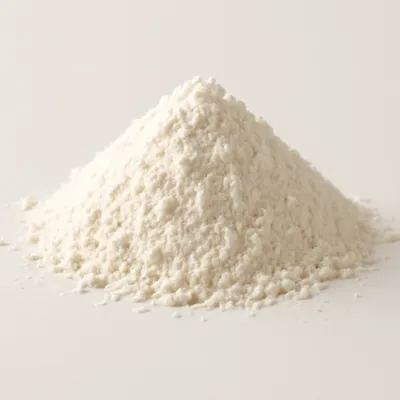
Make pastry dough: combine 400 g all-purpose flour + 1 tsp salt + 50 g lard + 2 large egg yolks + 250 ml warm water. Knead 8 min until smooth. Rest 30 min covered.
- 24 min
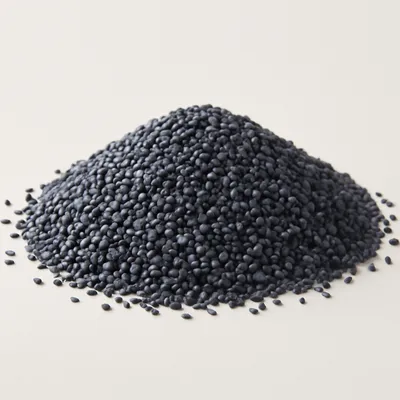
Make poppy seed filling: grind 200 g poppy seeds in a spice grinder. In a bowl, combine ground poppy + 100 g sugar + 100 ml hot milk + 50 ml rum + 1 tsp lemon zest + 1 tsp vanilla.
- 34 min
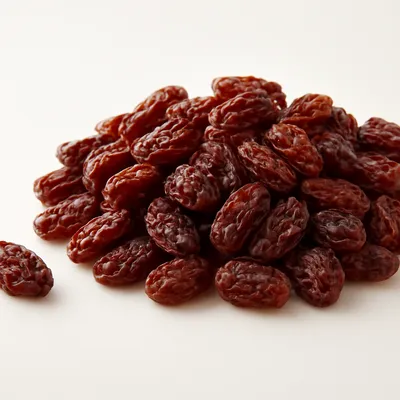
Make cottage cheese filling: in a bowl, combine 500 g cottage cheese + 2 egg yolks + 100 g sugar + 200 ml sour cream + 50 g raisins + 1 tsp vanilla.
- 44 min
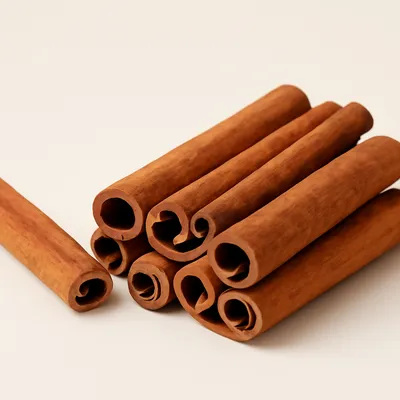
Make walnut filling: combine 300 g ground walnuts + 100 g sugar + 150 ml hot milk + 1 tsp cinnamon + 1 tsp vanilla.
- 55 min
Make apple filling: peel and grate 600 g tart apples (Granny Smith); combine with 80 g sugar + 1 tsp cinnamon + 50 g raisins.
- 622 min
Divide pastry dough into 9 equal balls. Roll each ball into a 30 × 25 cm thin sheet (about 1 mm — the sheets must be thin enough to see through).
Watch outRoll each sheet thin enough to read print through it — these paper-thin layers are the beams that keep the wet fillings from bleeding together.
- 72 min
Butter a 30 × 25 cm baking dish (or 28-cm round).
- 83 min
Layer 1: place pastry sheet in dish. Spread half of the poppy seed filling. Drizzle 1 tbsp melted butter + 1 tbsp sour cream.
- 93 min
Layer 2: pastry sheet. Spread half of the cottage cheese filling. Butter + sour cream.
- 103 min
Layer 3: pastry sheet. Spread half of the walnut filling. Butter + sour cream.
- 113 min
Layer 4: pastry sheet. Spread half of the apple filling. Butter + sour cream.
- 121 min
Layer 5: pastry sheet (this is the middle 'wall').
- 1312 min
Layers 6-9: repeat layers 1-4 (poppy, cottage cheese, walnut, apple) with the remaining fillings.
- 141 min
Top with the final pastry sheet (no filling on top).
- 153 min
Beat 1 egg with 2 tbsp sour cream + 50 g melted butter; brush over the top.
- 1665 min
Bake at 180°C for 60-70 min until deep golden-brown and the layers are set. The top should be crisp.
Watch outKeep it at a steady oven, no hotter — the top should turn deep gold while the inside layers cook through; crank the heat and the top burns before the middle sets.
- 1732 min
Cool in the dish at least 30 min before cutting (the layers need to set).
Watch outLet it cool in the dish before cutting — the layers firm up as they cool; slice it hot and the whole thing slumps and smears.
- 184 min
Cut into 9 × 12 cm squares using a serrated knife. Serve at room temperature with Slovenian Modra Frankinja red wine or coffee.


