
Small round open-faced pastries — yeasted disc of dough with a depression in the middle holding a spoonful of filling (quark, poppy seed, plum jam, or pear-cinnamon). Often crowned with a buttery streusel crumble. The wedding pastry of Moravia — every village wedding plate has dozens, every filling color carrying ritual meaning. Different from buchty: open-faced and small, never folded.






The Moravian wedding pastry par excellence — the word 'koláč' (round cake) comes from the Old Slavic 'kolo' (wheel/circle), describing its round shape; among Slavic peoples the round cake was long a wedding food, where sharing one sealed a bond. The traditional fillings carry festive associations: in Czech folk tradition poppy seed is linked to prosperity, quark to a harmonious household, and fruit fillings to fertility, with plum standing for love and togetherness; guests are offered one of each color. The dough is the same milk-yeast-butter base as buchty, but the shape and presentation are entirely different. Modern Moravian bakeries make koláče year-round as breakfast pastry, while the filling-color tradition is mostly kept in rural Slovácko and Wallachia.
Pick up a koláč — it fits comfortably in the palm. Bite through the streusel first, which crumbles into buttery sand and falls on your shirt. Then the filling: quark gives a cool milky brightness with lemon lift; poppy seed gives a darker, fudgy nuttiness; plum gives a sharper fruit acid. The dough underneath is enriched, soft, slightly sweet, holding everything together. Each koláč is gone in three bites; you reach for another color. The mixed-color tradition exists because four bites of four fillings tells you everything about the bakery.
The center depression is structural — without it, the filling would slide off during baking. Pressing two fingers into the center compresses the dough enough that it doesn't rebound much during the second rise; the rim stays raised, the center stays low. Streusel is the secret to texture: cold butter rubbed into flour creates discrete particles that don't melt fully — they remain as distinct crumbs after baking, giving the contrast against the smooth filling. The egg wash on the exposed rim gives the gloss-and-color that distinguishes a hand-shaped koláč from a sheet-pan generic pastry.
Variations
Frgálky/koláče larger version (Wallachian frgály, a separate dish entry). Sweet curd-poppy combo: two fillings in the same koláč (a Slovácký move). Sour cherry filling: a Hanácký variant especially common in summer. The Slovak version (koláč) is structurally identical; the difference is regional naming. The American 'kolache' — common in Texas Czech-immigrant towns — is closer to the Moravian original than the modern Czech bakery version, which has drifted slightly larger and richer.
On the Palate
Where Koláče sits in the Czech flavor cloud
Ingredients
Serves 16


How it's made
10 steps · 1 hour active + 2 hours 20 min waiting
- 111 min
Warm 250 ml whole milk to 38°C. Stir in 1 tbsp sugar and 7 g active dry yeast. Let stand 10 minutes until foamy.
Watch outWait for the yeast-milk to go foamy and cap over in ten minutes — no foam means dead yeast and the dough won't rise, so start over.
- 29 min
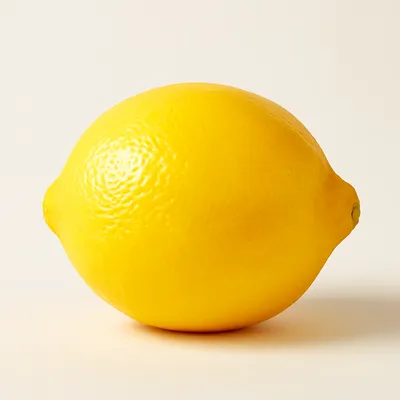
In a large bowl mix 450 g flour, 1/4 tsp salt, 3 tbsp sugar. Make a well; add the yeast mix, 1 egg yolk, 70 g melted butter, and the zest of 1/2 lemon. Knead to a soft dough, 6-8 minutes.
- 360 min
Cover and rise 60 minutes until doubled.
- 412 min
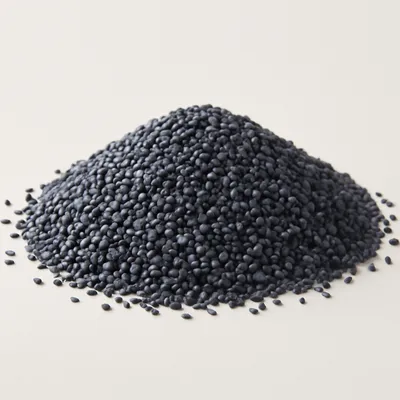
Prepare 2 fillings (for 16 koláče): (A) 200 g Quark + 3 tbsp sugar + 1 egg yolk + lemon zest + 1 tsp vanilla; (B) 100 g ground poppy seed + 50 ml hot milk + 3 tbsp sugar + 1 tbsp butter + 1 tsp lemon zest, mixed to a thick paste.
- 55 min
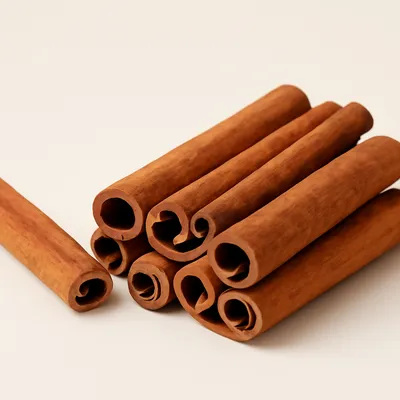
Make streusel: rub 60 g cold butter into 100 g flour + 60 g sugar + 1/2 tsp cinnamon between fingers until coarse crumbs form.
Watch outRub the cold butter into the flour just until it's coarse crumbs — stop before it turns to paste, or the streusel bakes flat instead of staying as distinct crumbs.
- 612 min
Punch down dough; divide into 16 balls (~50 g each). On a floured surface flatten each ball to a 8 cm disc. Place on parchment-lined baking sheets, spaced 3 cm apart.
- 710 min
Press a deep depression in the center of each disc with two fingers (leave a 1 cm rim). Spoon 1 tbsp of filling into each depression — alternate filling colors for visual rhythm.
Watch outPress the two-finger well deep and leave a raised rim — a shallow dent lets the filling slide off and puddle as it bakes.
- 85 min
Scatter streusel generously over the filling and rim of each koláč. Brush exposed dough rim with beaten egg.
- 925 min
Rise 25 more minutes uncovered.
- 1024 min
Bake at 180°C for 18-22 minutes until tops are golden and the filling is set. Cool on rack. Dust with powdered sugar before serving.
Watch outThey're done when the tops are golden and the filling has set — a wobbly, wet-looking center needs a few more minutes.


