A centuries-old mountain speciality from Langu township in the Wuyi highlands: a whole young white goose, poached until just done, rubbed with chilli and spices, then slow-smoked for seven to eight hours over a bed of glutinous rice, tea leaves, and osmanthus. The finished goose emerges amber-lacquered, carrying interwoven layers of tea smoke, rice caramel, and slow chilli heat — the definitive food souvenir of the Wuyi mountains and now a national geographic indication product.




Langu smoked goose is a product of the Wuyi Mountain tea trade. Local tradition holds that the technique of smoking goose with glutinous rice and tea leaves was invented over 500 years ago by the ancestors of what is now Langu township, Wuyishan city, Nanping prefecture. Historical accounts record that the Southern Song neo-Confucian philosopher Zhu Xi (朱熹), who spent decades in the Wuyi mountains, was said to serve smoked goose alongside tea when hosting scholars. By the Ming dynasty's Jiajing era (嘉靖年间), a local education official named Li Shilong reportedly inscribed the phrase 'of all flavours under heaven, smoked goose stands first' (天下一味数熏鹅). Tea merchants crossing the Wu Yi mountain passes in the Ming and Qing periods routinely carried dried smoked goose as provision and trade gift. The dish was listed in Wuyishan's inaugural batch of intangible cultural heritage items in 2008, obtained a national geographic indication trademark under the name '岚谷熏鹅' in 2014, and in 2022 entered Fujian Province's seventh batch of provincial-level intangible cultural heritage. Annual sales now exceed 120 million yuan.
The skin pulls away with a faint crack, releasing a billow of tea and caramelised wood smoke; the meat beneath is dense but never dry, faintly rosy, carrying a slow chilli warmth that builds across three or four bites and lingers pleasantly in the throat.
The two-stage cooking is essential. First poaching partially renders subcutaneous fat and extracts intramuscular collagen, creating a self-basting layer beneath the skin. The subsequent 7–8 hour cold smoking operates below 80 °C: tea leaves, when smouldered, undergo pyrolysis of tannins and lignin to release phenolic compounds (guaiacol, catechols) that deposit on the skin surface as antioxidants and antimicrobials — the dish's original preservation mechanism. Glutinous rice charred in the smoking chamber generates caramelised sugars and carbonyl compounds; these sustain a long Maillard reaction with surface amino acids on the skin, building the amber colour and layered smoky-sweet aroma. Osmanthus leaves contribute floral terpenes (linalool, alpha-terpineol) that soften the smoke's rougher edge.
Variations
Some producers skip the initial poaching and go directly to cold-smoking a raw goose, producing a drier, more intensely smoked result. Camphor leaves (樟树叶) are used by some Nanping craftspeople as a primary smoking material, yielding a sharper, more resinous aroma. The goose is traditionally served cold with a garlic-chilli dipping sauce, though restaurants also serve it slightly warmed.
On the Palate
Where Wuyi Smoked Goose sits in the Chinese flavor cloud
Ingredients
Serves 6

How it's made
6 steps · 1 hour
- 130 min
Select a 100-day-old white goose weighing about 1.8 kg; slaughter, pluck, and clean thoroughly. Rub the cavity and exterior with coarse salt and leave for 30 minutes to draw out moisture.
- 230 min
Bring a large pot of salted water with a few ginger slices to a boil; submerge the whole goose and simmer for 20–25 minutes until 70–80% cooked (juices at the thickest point run slightly pink). Remove and hang to air-dry for 30 minutes.
Watch outPoach only to 70-80% done — juices at the thickest part should run faintly pink; fully cooked here and the long smoke afterward dries it out.
- 310 min
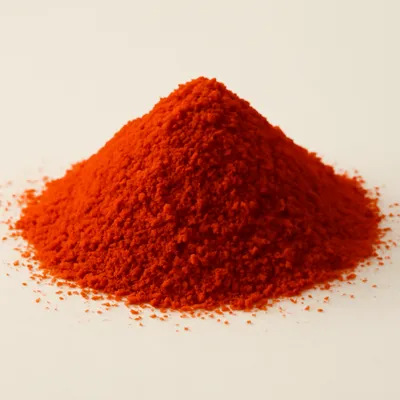
Mix chilli powder, ground fennel seeds, five-spice powder, salt, soy sauce, and a splash of local Fujian rice wine into a thick paste; rub evenly over the entire goose, inside and out, making sure to reach joints and wing roots.
- 410 min
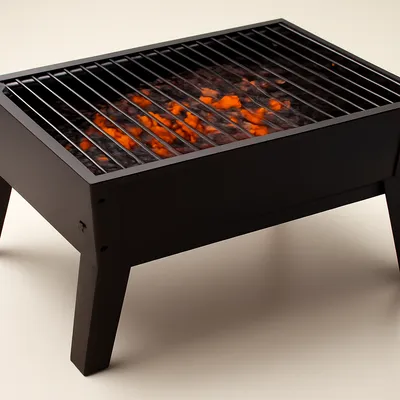
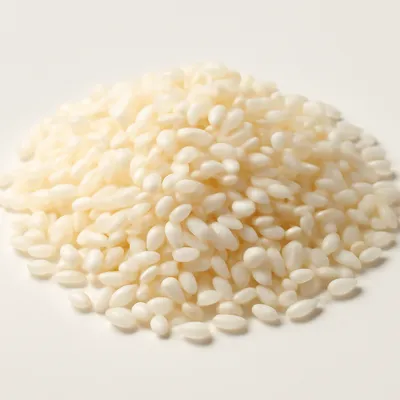
Spread a thin even layer of uncooked glutinous rice, tea leaves (oolong or green), and osmanthus leaves on the floor of a wok or dedicated smoking box. Set a wire rack above the smoking materials.
- 5480 min
Place the goose breast-side up on the rack; seal the lid tightly with dampened kitchen cloth or foil. Heat over medium flame until steady smoke rises, then reduce to low. Smoke for 7–8 hours, maintaining a thin continuous stream of smoke without scorching the base.
Watch outKeep a thin, steady stream of smoke below 80°C for the full 7-8 hours — a big flame scorches the smoking bed bitter and blackens the skin.
- 610 min
Remove the goose and rest for 10 minutes. Chop into sections, arrange on a platter, and serve with a garlic-chilli dipping sauce. Excellent cold or at room temperature.
Archive tool suggestions — not reviewed
These legacy suggestions have not been evidence-reviewed and are not presented as required tools.