Chewy hand-rolled balls of mashed taro bound with sweet potato starch, boiled until springy and translucent, then served warm in sweetened broth or over shaved ice, grass jelly, or tofu pudding. Often paired with golden sweet-potato balls in companion colors. The mountain town of Jiufen is its iconic home.
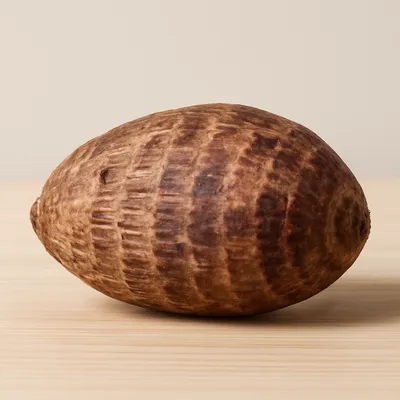
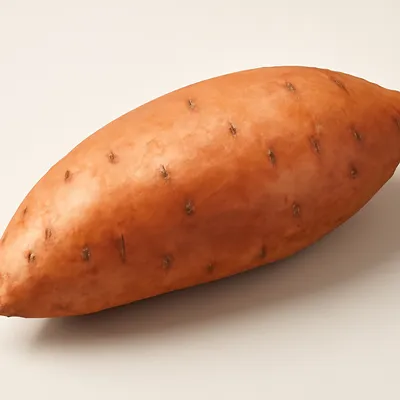



Taro balls are most closely tied to Jiufen, the old gold-mining hill town outside Taipei. After the 1989 film A City of Sadness made the town a tourism magnet, its taro-ball shops became famous, and vendors developed the colorful three-color bowls of taro, sweet potato, and purple yam or matcha to please visitors. The dish itself grew from a humbler tradition of using cheap, plentiful taro and sweet potato.
A good taro ball is soft and yielding at first, then springs back with a satisfying chew. The taro version is pale lavender and earthy-sweet; the sweet-potato companion is golden and a touch sweeter. In hot red-bean soup they warm and slacken; over shaved ice they firm up and turn cool and slippery. The pleasure is the springy bounce between the teeth.
The chew is built by starch gelatinization. Steamed taro is mashed and kneaded while hot with sweet potato starch into a dough; when the balls hit boiling water the starch granules swell and gelatinize, and the amylose and amylopectin set into a springy, translucent gel. The taro-to-starch ratio governs the texture: more starch (around one part starch to two parts taro) gives a firmer, chewier ball, more taro a softer one. Plunging the cooked balls straight into ice water shocks and tightens the surface starch, sharpening the chew and stopping them sticking together.
Variations
Beyond the classic taro ball, sweet-potato balls are the standard companion, with purple-yam, matcha, and green-tea versions adding color. Served hot in red-bean or peanut soup in winter, iced over shaved ice or grass jelly in summer, and commonly layered into tofu-pudding and bubble-tea-style dessert bowls.
On the Palate
Where Taro Balls sits in the Taiwanese flavor cloud
Ingredients
Serves 4How it's made
7 steps · 1 hour
- 132 min
Peel the taro and cut into thick slices; steam over high heat about 30 minutes until a fork passes through easily.
- 25 min
Mash the hot taro into a smooth paste, then stir in the sugar while still hot until dissolved.
- 38 min
Sift in the sweet potato starch in batches, kneading into a smooth, non-sticky dough; add a little water only if it stays crumbly.
Watch outKnead the starch into the hot taro to a smooth, non-sticky dough — the taro-to-starch ratio sets the chew, so add water only if it stays crumbly.
- 410 min
Roll the dough into long ropes about as thick as a finger, then cut into bite-size pieces; dust lightly with extra starch so they don't stick.
- 55 min
Bring a pot of water to a rolling boil, drop in the balls, and cook until they all float to the surface, about 3 to 5 minutes.
Watch outCook until every ball floats to the surface — that's when the starch has gelatinized into a springy, translucent gel.
- 62 min
Scoop the floating balls straight into a bowl of ice water for 1 to 2 minutes to firm and tighten the surface.
Watch outScoop the floaters straight into ice water — the shock tightens the surface, sharpens the chew, and stops them sticking.
- 73 min
Serve warm in sweetened red-bean soup, or drain and pile over shaved ice with syrup.
Archive tool suggestions — not reviewed
These legacy suggestions have not been evidence-reviewed and are not presented as required tools.


