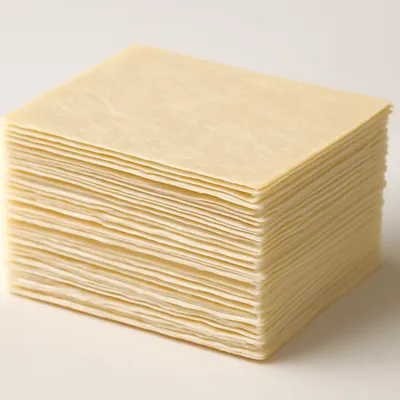
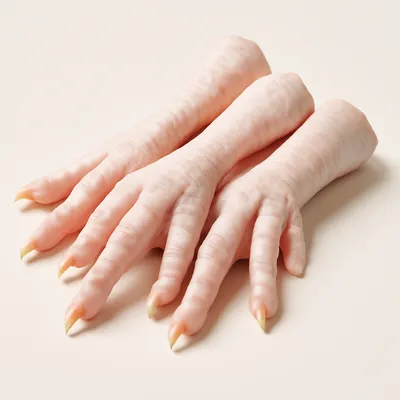
A pick-and-mix counter of foods steeped in a soy-based master braise — dried tofu, kelp knots, chicken feet, duck wings, tripe, bean-curd sheets, eggs, sausages, greens and more — eaten cold straight from the case (cold lu wei) or chosen raw and braised hot to order (heated lu wei). The shared braising liquid, deepened by years of reuse, soaks each item with the same five-spice savor while every ingredient keeps its own texture. It is everywhere in Taiwan: night markets, street stalls and late-night counters.




Lu wei is the Taiwanese counter form of red braising, the ancient Chinese technique of simmering ingredients in a soy, sugar, rice wine and spice liquid. Taiwan turned it into a self-service street institution: a glass case of pre-braised items sold cold and by weight, the older 'cold lu wei,' and a later stall format where you fill a basket with raw skewers and vegetables to be braised hot on the spot, the 'heated lu wei.' Its character comes from the master stock, a braising liquid topped up and reused so its flavor compounds over time. There is no single inventor; it is a ubiquitous street and night-market trade, defined less by any one recipe than by the shared, ever-deepening braise.
Each item carries the same dark, savory-sweet five-spice braise, but the pleasure is in the range of textures from one tray: dried tofu firm and absorbent, kelp slippery and tender, chicken feet gelatinous, tripe and bean-curd sheets chewy, an egg with its white stained brown and soaked through. Cold lu wei is often tossed with scallion, garlic and a spoon of the braise or chili oil; heated lu wei comes hot and glossy in a bowl. Salty, fragrant and faintly sweet, it is built for picking at over drinks.
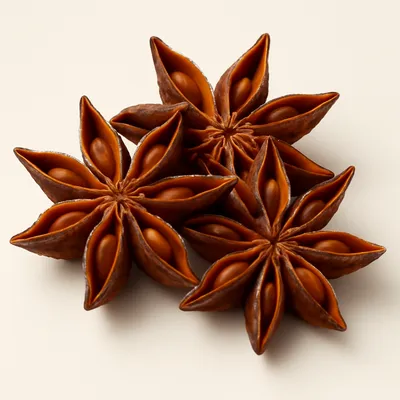
The braise is the engine. A master stock of soy sauce, rock sugar, rice wine and a spice bundle — star anise, cinnamon, fennel, Sichuan pepper, licorice and more — is simmered low so its flavors infuse without boiling the ingredients to mush. Salt and the slightly alkaline soy drive flavor into proteins and the porous structure of tofu and kelp; collagen-rich items like chicken feet and tripe slowly break down to a gelatinous chew. Reusing and topping up the same stock concentrates gelatin, salt and aromatic compounds over time, which is why an aged master braise tastes rounder and deeper than a fresh one. Cold items are steeped then chilled so the flavor sets; hot items are braised to order.
Variations
The two formats are cold lu wei, sold pre-braised by weight, and heated lu wei, braised hot to order from a self-picked basket. Spicy stalls offer a numbing-hot mala braise alongside the classic. Common picks include dried tofu, kelp, bean-curd sheets, chicken feet, duck wings and gizzards, tripe, eggs, sausage, enoki and leafy greens, with instant noodles often dropped into the heated bowl. It overlaps with mainland braised snacks but leans on Taiwan's sweeter, five-spice soy braise and the self-service counter rather than a fixed plated dish.
On the Palate
Where Lu Wei sits in the Taiwanese flavor cloud
Ingredients
Serves 4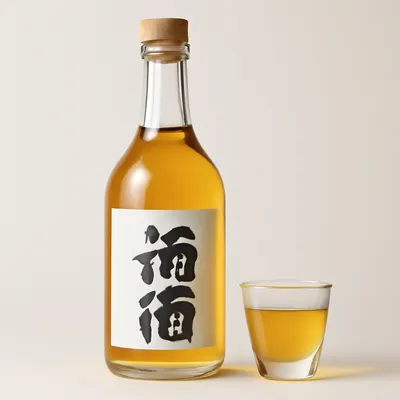

How it's made
7 steps · 30 min active + 1 hour waiting
- 15 min
Build the master braise: combine soy sauce, water, rock sugar and rice wine in a pot, and add a spice bag of star anise, cinnamon, fennel, Sichuan pepper and licorice.
- 210 min
Add aromatics — scallion, ginger and garlic — and bring to a gentle simmer to draw out the spices.
Watch outBring the master stock only to a gentle simmer — a hard boil cooks everything to mush and clouds the braise instead of infusing it.
- 38 min
Blanch raw meats such as chicken feet, duck wings or tripe in boiling water to clean them, then drain.
- 440 min
Add the firmest, longest-cooking items first — chicken feet, tripe, dried tofu — and braise gently until tender.
Watch outAdd the firm, long-cooking items first and braise them tender before the quick ones — chicken feet and tripe need time the tofu doesn't.
- 515 min
Add quicker items — kelp knots, bean-curd sheets, eggs, sausage — and braise until colored and infused.
- 630 min
For cold lu wei, let everything steep in the braise, then lift out and chill; for heated lu wei, braise the chosen items fresh and serve hot.
- 75 min
Slice as needed and dress cold pieces with scallion, garlic and a spoonful of the braise or chili oil before serving.

