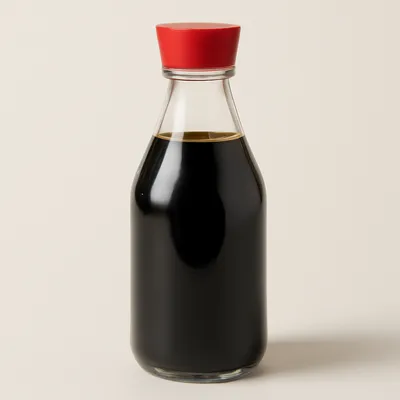
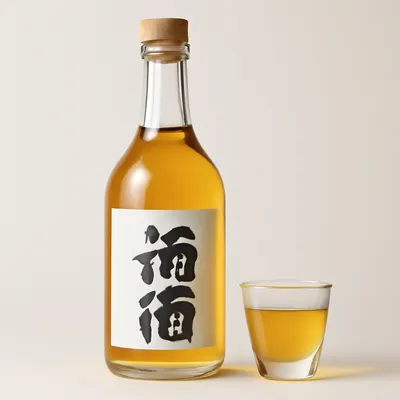
Taiwan's defining home dish: finely diced or minced pork belly slow-braised in soy sauce, rice wine, and rock sugar with fried shallot and five-spice, ladled glossy and dark over a bowl of hot white rice. The braise is the whole point — a small bowl is a meal on its own, and most stalls serve it beside a soy-braised egg and a few blanched greens.



Lu rou fan grew out of postwar Taiwanese thrift, when good cuts of pork were dear and the fatty belly trimmings were the affordable part. Rendered slowly with soy and fried shallot until the fat turned silky, that braise stretched a little meat over a great deal of rice and became the staple of street stalls, lunchboxes, and home kitchens island-wide. The name carries a long-running north-south split. In southern Taiwan, especially Tainan, 肉燥饭 (rou zao fan) means rice under finely minced pork sauce, while 卤肉饭 there can mean rice topped with a braised chunk of pork belly; in the north, 卤肉饭 is the minced-pork version itself. The written character also drifts — many stalls write 鲁肉饭 with the 鲁 of Shandong, a long-standing variant generally read as a homophone slip rather than any real link to Shandong cuisine.
The braise coats every grain — dark, glossy, and savory-sweet, smelling faintly of star anise and fried shallot. The minced belly is half-melted, the fat reading as richness rather than chew, with just enough soy salt to drive you back to the rice. A soy egg with a barely set yolk and a few blanched greens cut the richness; the bowl is small on purpose, meant to be finished fast and hot.
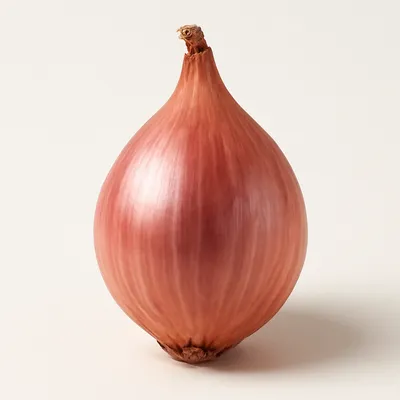
Pork belly is layered fat and collagen-rich connective tissue. Held at a bare simmer for an hour or more, the collagen hydrolyzes into gelatin while the fat renders, so the diced meat turns soft and the sauce thickens and clings without any starch. Dicing rather than grinding keeps tiny cubes of fat intact, which is why the topping reads silky rather than pasty. The deep color and aroma come from two reactions: the Maillard browning of the meat in the initial fry, and the caramelizing of rock sugar, often cooked to a light caramel first to set the glaze. 油葱酥 — shallots fried until golden — carry fat-soluble aroma compounds into the braise, the single ingredient most responsible for the smell people read as 'Taiwanese.'
Variations
The biggest divide is texture: hand-diced belly (more prized, with distinct cubes of fat) versus machine-minced (smoother, faster). Southern stalls lean sweeter and call the minced version 肉燥饭; northern ones run saltier. Common add-ins are dried shiitake, hard-boiled or soy eggs simmered in the same pot, and a topping of pickled daikon on the side. Some houses build the braise on lard and fried shallot alone; others deepen it with a splash of dark soy or a knob of rock sugar for shine.
On the Palate
Where Lu Rou Fan sits in the Taiwanese flavor cloud
Ingredients
Serves 4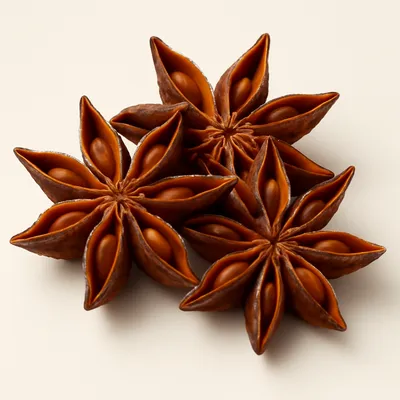


How it's made
7 steps · 25 min
- 112 min
Fry 80g sliced shallot in oil over low heat until evenly golden and crisp; lift out, reserving both the fried shallot and the fragrant oil.
Watch outFry the shallots to an even golden and lift them the instant they're crisp — they carry the dish's signature aroma, but a shade too dark and they turn bitter and spoil the whole braise.
- 28 min
Dice 600g skin-on pork belly into small cubes (or coarsely mince); sear in the shallot oil over high heat until the edges brown and some fat renders.
- 34 min
Push the meat aside, add 1 tbsp rock sugar, and let it melt to a light caramel, then toss the pork to coat.
Watch outMelt the rock sugar to a light caramel before the pork goes back — that caramel is the colour and gloss of the sauce; push it to dark and it goes bitter, stop too soon and the braise stays pale.
- 43 min
Pour in 3 tbsp soy sauce, 1 tbsp dark soy, and 3 tbsp rice wine; stir until the meat is darkly glazed and fragrant.
- 53 min
Add the fried shallot, 1 star anise, a small piece of cassia, 1/4 tsp five-spice, a few cloves of crushed garlic, and enough hot water to barely cover.
- 675 min
Simmer gently, partly covered, for 60-90 minutes until the meat is silky and the sauce has reduced and thickened; add peeled hard-boiled eggs for the last 30 minutes if using.
Watch outSimmer gently an hour or more until the meat is silky and the sauce has reduced to cling on its own — the belly needs that long, low heat to melt its collagen; rushed, it stays chewy and the sauce watery.
- 75 min
Taste and adjust with soy or sugar; ladle the braise and plenty of its sauce over bowls of hot rice, with a soy egg and blanched greens alongside.

