A Kinmen-style rice porridge, smooth and fully broken down, laden with pork, pork liver, fish slices, egg and fried shallot. The defining breakfast of Kinmen, Taiwan's frontline military island, reflecting its cultural links to southern Fujian and Guangdong.



Kinmen Cantonese porridge, guang dong zhou, is the defining breakfast of Kinmen, the small group of islands off the southern Fujian coast that, as the Republic of China's frontline against the mainland through the Cold War, developed its own distinct food culture shaped by military isolation and by older trade links to southern Fujian and Guangdong. The dish is a smooth, fully broken-down rice porridge, the rice cooked until the grains dissolve into a thick, silky congee, distinctly smoother than the Taiwanese style where grains keep their shape. It is laden with pork slices, pork liver, white fish, an egg stirred in at the end, fried shallots and sometimes oyster or squid, the rich toppings making it a complete meal. The name Cantonese reflects the influence of Guangdong congee technique on Kinmen's cooks, transmitted through the older trade connections that predate the 1949 division. Sold from the breakfast stalls of Jincheng town, Kinmen's capital, the porridge is eaten as a warming, restorative morning meal, and the smooth texture and the generous toppings are its signature. Kinmen's food, less known than Taiwan's, is its own tradition shaped by isolation and proximity to the mainland.
A smooth, silky, fully dissolved rice porridge, thick and warming, laden with tender pork, soft liver, delicate fish and strands of set egg, the fried shallots giving a savoury crunch. Comforting, clean, restorative, the perfect warming breakfast.
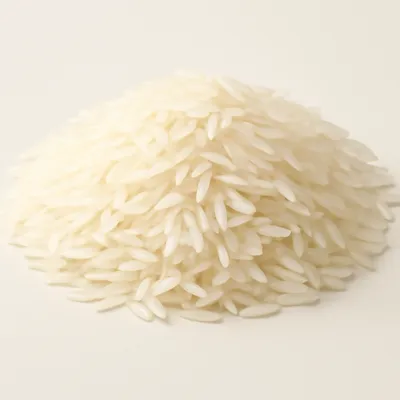
The porridge's character is the fully broken-down rice and the rich toppings. Rice, ideally a mix of short-grain and a little glutinous rice for body, is cooked in plenty of water or pork-bone stock for 1.5 to 2 hours, stirred often, until the grains break down completely into a smooth, silky, thick congee, the Cantonese style, distinctly smoother than the Taiwanese clear-grain style. The toppings are added at the end in stages by cooking time, pork slices and pork liver first to cook through, then delicate fish slices briefly, an egg stirred in to set into silky strands, the whole finished with fried shallots, white pepper and chopped scallion. The fully dissolved rice gives the porridge a body that coats the toppings, binding the dish, while the varied toppings provide texture and flavour. The use of pork liver, prized for its iron and restorative quality in Chinese tradition, and the smoothness of the congee, distinguish the Kinmen-Cantonese style. Eaten hot, the porridge is a restorative breakfast, the warmth and the nourishing toppings the point.
Variations
Oyster or squid is added when fresh. A century-egg version is darker. Some add dried scallop for depth.
On the Palate
Where Kinmen Cantonese Porridge sits in the Taiwanese flavor cloud
Ingredients
Serves 4How it's made
5 steps · 15 min
- 18 min
Rinse 150g rice; combine with 1.5 litres pork-bone stock or water in a pot; bring to a boil then simmer, stirring often, for 1.5 hours until the rice fully breaks down into a smooth thick congee.
Watch outStir often over the long simmer until the grains fully collapse into a silky congee — leave it and the rice sinks and scorches on the bottom.
- 24 min
Slice 100g pork, 80g pork liver and 100g white fish thinly; prepare fried shallots.
- 35 min
Add the pork and liver to the congee and cook 5 minutes until just done; add the fish for 1 minute.
- 44 min
Stir in 2 beaten eggs in a thin stream to form silky strands; season with salt and white pepper.
Watch outStream the beaten egg in slowly while stirring so it sets into silky threads — dumped in it clumps into lumps.
- 54 min
Ladle into bowls; top each with fried shallots, chopped scallion and a few drops of sesame oil; serve hot.
Archive tool suggestions — not reviewed
These legacy suggestions have not been evidence-reviewed and are not presented as required tools.

