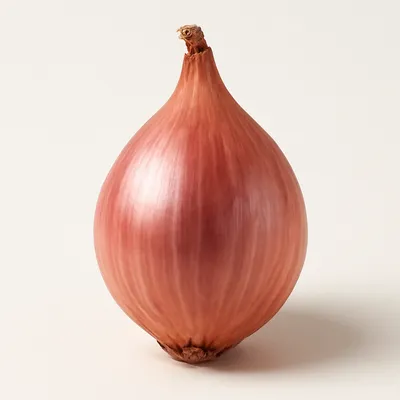
A palm-sized translucent dumpling with a Q-elastic sweet-potato-starch skin wrapped around a savory filling of pork and bamboo shoot, often with shiitake and fried shallot. In the classic Changhua style it is set in low-temperature oil rather than deep-fried hard; elsewhere it is steamed. It arrives drenched in a glossy sweet-savory red sauce with garlic paste and cilantro, eaten with a spoon or scissors that cut through the slippery skin.




Ba wan traces to Beidou in Changhua County. By the account kept in local cultural records, it was created by Fan Wan-ju in the wake of the 1898 flood (the 24th year of the Guangxu reign): with food scarce after the disaster, people ate cassava starch sweetened with sugar, and Fan reworked it into a savory food by oil-cooking it and adding bamboo shoot, later folding in pork to arrive at the Beidou meatball known today. The trade grew through the Japanese colonial period into Beidou's signature snack. As it spread across Taiwan a regional line settled around Changhua, north of it leaning to oil-poaching and frying, south of it to steaming, with Hsinchu, Nantou, and Pingtung keeping their own versions.
The skin is the first surprise: cool, slippery, and translucent, with a Q-elastic bounce that gives under a spoon and then springs back, never gummy. Cut through and the filling is the opposite, warm and savory, coarse pork against the sweet crunch of bamboo shoot, with mushroom and shallot deepening it. Over the top, the red sauce is sweet and salty at once, smoothing the lean starch skin, and a hit of raw garlic and a little cilantro keep the whole thing from turning cloying.
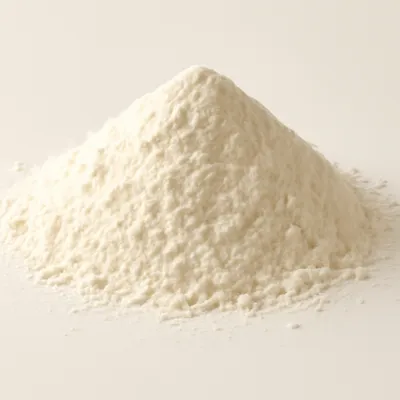
The translucent, Q-elastic skin is the work of sweet potato starch, which is high in amylopectin, the branched starch. Mixed with water (often cut with rice flour or potato starch for body) and heated, it gelatinizes, the granules swelling and the chains setting into a dense, cohesive, springy gel that turns clear rather than opaque. The Changhua oil method matters here: the wrapped dumpling is held in warm oil at roughly 100 to 120°C, hot enough to set and firm the skin and warm the filling through, but too low to brown it, so it stays soft and elastic instead of forming the hard crust of a true deep-fry. Steamed versions reach the same gelatinized skin by moist heat. The sauce is built to play against the bland skin: rice paste and soy paste for savory body, sweet chili and often haishan sauce for the sweetness, balanced so neither sugar nor salt runs away.
Variations
The biggest split is the cooking: Changhua-style oil-poaching for a soft, glossy skin versus steaming for a lighter, more delicate one, with deep-frying giving a firmer shell. Skins vary in the starch blend, more sweet potato starch for chew, more rice flour for a softer set. Fillings shift by region and shop, lean pork and bamboo shoot at the core, with shiitake, fried shallot, dried shrimp, or a whole quail egg appearing. Hsinchu tints the filling red with fermented red rice; sauces range from the sweet red blend to a peanut-and-sesame version. Many shops, once the dumpling is eaten, pour hot bone broth into the leftover sauce to drink.
On the Palate
Where Ba Wan sits in the Taiwanese flavor cloud
Ingredients
Serves 4


How it's made
7 steps · 40 min
- 115 min
Make the filling: season minced or coarsely cut pork with soy and rice wine, then mix with chopped bamboo shoot, soaked shiitake, and fried shallot.
- 215 min
Make the skin batter by whisking sweet potato starch and rice flour with water, then cooking part of it over low heat into a thick translucent paste and folding in the rest.
Watch outCook part of the starch batter over low heat until it turns into a thick, translucent paste, then fold the rest in — that cooked-starch base is what sets the skin springy and clear rather than cloudy and slack.
- 310 min
Smear a layer of batter into a small oiled bowl, add a spoon of filling, then cover with more batter to enclose it.
- 420 min
Steam the filled bowls until the skin turns translucent and set, then loosen the dumplings out.
- 58 min
Slip the dumplings into warm oil held at about 100 to 120°C and poach gently until the skin firms and tightens without browning (or serve straight from the steamer).
Watch outPoach in warm oil held around a hundred to a hundred-twenty degrees — hot enough to firm the skin but too low to brown it; let it climb higher and it hardens into a fried crust instead of staying soft and elastic.
- 65 min
Make the sauce by warming rice paste, soy paste, sweet chili, and a little sugar into a glossy red blend.
- 72 min
Plate the dumplings, drench with the red sauce, and finish with garlic paste and cilantro.
Archive tool suggestions — not reviewed
These legacy suggestions have not been evidence-reviewed and are not presented as required tools.


