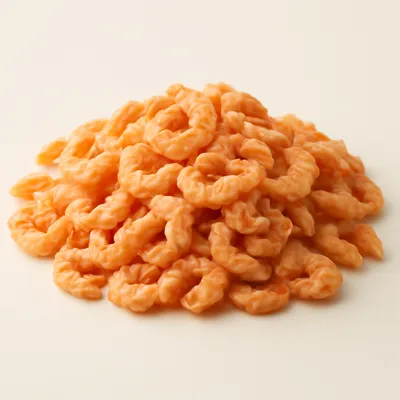
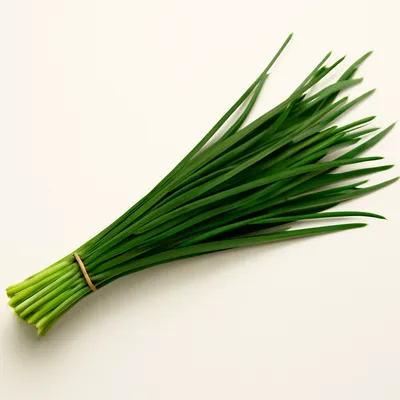
The canonical Taiwanese fried rice vermicelli, built on Hsinchu's wind-dried 米粉 — fine, springy strands stir-fried with shredded pork, soaked dried shiitake, dried shrimp, and Chinese chives. The Hsinchu strands are firmer than most and drink up stock without going to mush, so the finished plate stays loose, glossy, and distinctly chewy.


Hsinchu's vermicelli owes everything to its wind. The city's autumn-winter monsoon, the so-called 九降风, funnels down off the hills as a dry, fierce gale, and from the Qing dynasty onward the Nanshi district hung its rice noodles out in that wind to dry. The result cures firmer and springier than steam-dried vermicelli, and 新竹米粉 became a byword for quality across Taiwan. The stir-fried dish built on it is a fixture of home tables, banquet 办桌, and temple festivals, where a wok of 炒米粉 is cooked by the basinful. The northern style is dry-fried and savory; it is a separate dish from the soup vermicelli of the south.
The strands come apart cleanly, each one springy and lightly chewy, glossed with oil and the soy-savory liquid they soaked up rather than swimming in it. Dried shiitake and shrimp give a deep, sea-and-forest savor; the chives go in last and keep a fresh, sharp bite; white pepper warms the back of the throat. A good plate is loose and shining, never clumped, broken, or pasty.
Hsinchu vermicelli is a pure rice-starch noodle dried hard in the wind, so it needs only a brief soak in warm water — not a boil — to turn pliable while keeping its core firm; over-soaking is the main way the dish fails. The cooking is really a braise-fry: aromatics, pork, shiitake, and shrimp are fried first to build a savory base, then stock and seasoning go in and the drained vermicelli is folded through over high heat until it absorbs nearly all the liquid. Because each strand drinks up flavored stock rather than plain water, the seasoning sits inside the noodle, not just on it. Constant tossing and a film of oil keep the fine strands separate; the soaking water from the dried shiitake and shrimp is saved and used as the stock, since it carries their glutamate and nucleotide umami.
Variations
The same name covers two textures of noodle: 炊粉, the thicker steam-set strand more common in restaurants, and 水粉, a thinner extruded type — purists argue over which is the 'real' Hsinchu noodle. Toppings flex with the household: cabbage, carrot, wood-ear, sliced fish cake, or a fried egg shredded on top. A vegetarian version drops the pork and shrimp and leans on shiitake and cabbage. Served plain or with a splash of black vinegar and a dab of chili-garlic sauce on the side.
On the Palate
Where Hsinchu Fried Rice Vermicelli sits in the Taiwanese flavor cloud
Ingredients
Serves 4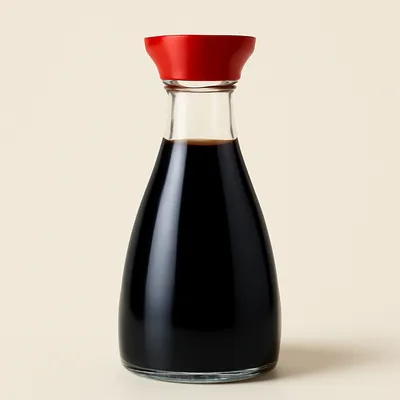
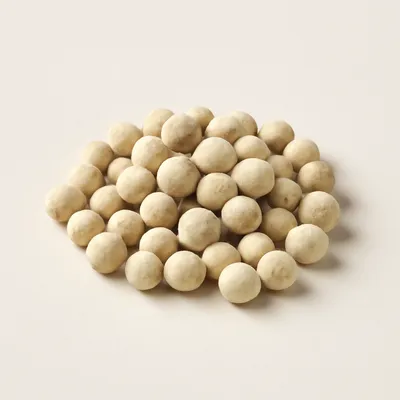
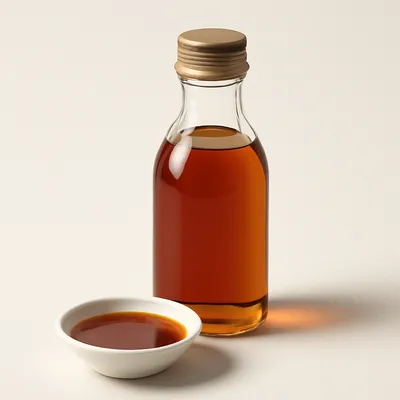
How it's made
7 steps · 20 min
- 110 min
Soak 30g dried shiitake and 20g dried shrimp in warm water until soft; slice the mushrooms thin and save the soaking water as stock.
- 25 min
Soak 250g Hsinchu rice vermicelli in warm water for about 5 minutes until just pliable, then drain well and loosen by hand.
Watch outSoak the vermicelli just until pliable, about five minutes, then drain well — over-soaking is the main way this dish fails, going mushy in the wok.
- 35 min
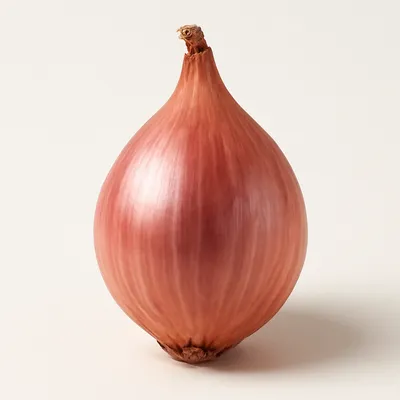
Shred 150g pork and cut 100g Chinese chives into short lengths; finely slice 60g shallot.
- 44 min
Heat oil in a wide wok and fry the shallot, shiitake, and dried shrimp over medium heat until deeply fragrant, then add the pork and stir-fry until it changes color.
- 52 min
Pour in the reserved mushroom-shrimp stock (about 300ml), add soy sauce, a little dark soy, salt, sugar, and white pepper, and bring to a boil.
- 65 min
Add the drained vermicelli and toss constantly over high heat, lifting and folding the strands so they soak up the liquid evenly until the wok is nearly dry.
Watch outToss constantly over high heat, lifting and folding, until the wok is nearly dry — each strand should drink up the seasoned stock so the flavor sits inside, not just on top.
- 72 min
Stir in the chives and a drizzle of sesame oil, toss once more, and plate loose and glossy.


