A Tainan stir-fry of fresh eel, quick wok-fried with noodles, garlic, onion and a sweet-sour-savoury sauce thickened with cornflour. A signature Tainan night-market dish built on the city's access to live eel.
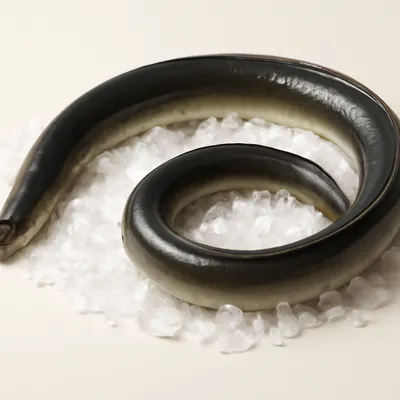





Tainan eel noodles, shan yu mian, is a signature stir-fry of Tainan, where the city's surrounding wetlands and fish farms made live eel a cheap and abundant ingredient, and where the night-market and small-eat tradition turned it into a quick, wok-fired dish. Freshwater eel, sliced live from the tank, is stir-fried over very high heat in a wok with garlic, onion, the eel's own bones briefly fried for stock, and fresh noodles, the whole bound in a sweet-sour-savoury sauce of soy, black vinegar, sugar and rice wine thickened with cornflour. The dish is finished in minutes, the eel still tender, the noodles having soaked up the sauce, and the high-heat wok hei, the breath of the wok, is essential. Tainan's eel-noodle shops, clustered in the old central markets, are the benchmark, and the dish is closely related to the eel stir-fries of southern China but distinct in its sweet-sour sauce, a southern-Taiwanese trait, and its cornflour-thickened clinging sauce. The freshness of the eel is the whole point, frozen or pre-sliced eel makes a different, tougher dish.
Tender, just-cooked eel in a glossy, sweet-sour-savoury sauce clinging to soft noodles, with the bite of garlic and onion and a smoky wok-hei char. The eel is silky, the sauce clinging, the dish eaten scalding hot from a small bowl.
The dish is a fast, high-heat wok stir-fry built on fresh eel. Freshwater eel, dispatched and sliced live, is stir-fried in a smoking-hot wok with oil, garlic and onion for only a minute or two, the high heat searing the eel's surface to keep the inside tender and sealing in its juices. The eel's bones are often fried separately with water to make a quick stock, which, with soy, black vinegar, sugar, rice wine and a cornflour slurry, forms the sweet-sour-savoury sauce that is poured in and thickened to cling. Fresh noodles are added and tossed through the sauce, absorbing it, and the whole dish is finished in under five minutes. The cornflour-thickened sauce is the southern-Taiwanese trait, clinging to the noodles and eel rather than being a thin broth, and the sweet-sour balance is the Tainan palate, gentler and sweeter than northern Taiwan. The wok hei, the smoky char from the smoking-hot wok, is essential and cannot be replicated on a home stove without a high-BTU burner. The eel must be fresh, pre-sliced or frozen eel toughens and tastes muddy.
Variations
Some versions use glass noodles instead of wheat noodles. A garlic-heavy version is common. Some add a raw egg yolk stirred in at the end.
On the Palate
Where Tainan Eel Noodles sits in the Taiwanese flavor cloud
Ingredients
Serves 2How it's made
6 steps · 25 min
- 14 min
Have a fishmonger dispatch and slice 400g live freshwater eel; rinse and drain.
- 23 min
Make the sauce: mix 2 tbsp soy, 2 tbsp black vinegar, 1 tbsp sugar, 1 tbsp rice wine, 100ml water and 1 tbsp cornflour; set aside.
- 34 min
Heat a wok until smoking; add 2 tbsp oil, 3 smashed garlic cloves and half a sliced onion, stir-fry 30 seconds.
- 44 min
Add the eel and stir-fry over the highest heat for 1 to 2 minutes until just opaque.
Watch outStir-fry the eel over the highest heat just 1 to 2 minutes — a fast sear on a smoking wok seals the juices; overcook and it turns tough and dry.
- 54 min
Pour in the sauce, toss until it thickens and clings, then add 200g fresh wheat noodles and toss through for 1 minute.
Watch outToss the noodles in only until the thickened sauce clings — over the heat too long and they go soft and gluey.
- 63 min
Plate into bowls and serve at once, scalding hot, with a dust of white pepper.
