Pancit bihon is the Filipino stir-fry built on bihon, the thin dried rice vermicelli whose name comes straight from the Hokkien bî-hún (米粉, 'rice flour'). The fine threads are soaked, then finished in seasoned stock with chicken or pork, shrimp, and julienned cabbage, carrot, celery and green beans. Lighter than the wheat-based pancit canton, it is the most common everyday pancit and a fixture at birthdays.

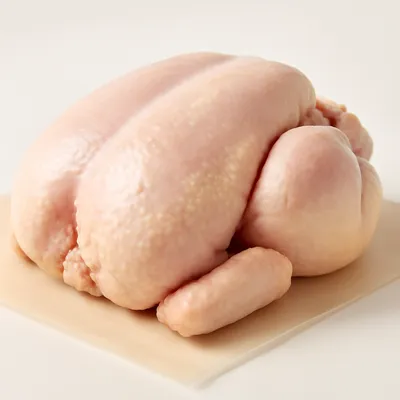
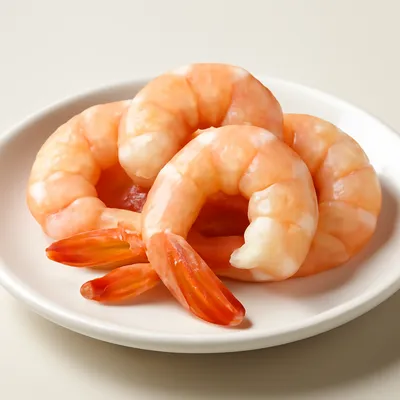
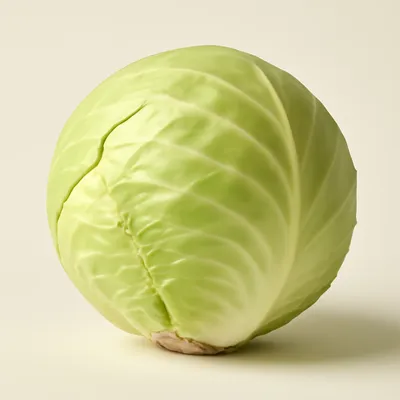


Bihon noodles and the dish itself trace to Fujianese traders who settled in the Philippines from at least the 16th century, centered on Manila's Binondo, the oldest Chinatown. The Hokkien word for rice vermicelli, mi-hun, was retained whole as 'bihon,' as was the birthday-noodle custom. Filipino cooks localized the seasoning, leaning on fish sauce, soy and a final squeeze of calamansi rather than Chinese vinegar.
Slippery, fine rice strands carry the savory stock without going mushy, each forkful threaded with shredded chicken, sweet carrot and crunchy celery. The flavor is gentle and clean, soy-savory with a whisper of fish sauce, sharpened bright by calamansi squeezed at the table.
Rice vermicelli is only soaked, never boiled, because it overcooks in seconds; it then drinks up flavored stock in the wok and sets. The stock must be reduced enough to coat, not pool, so the noodles stay distinct rather than soggy. Proteins are seared first and vegetables added late to hold their crunch against the soft noodle.
Variations
Pancit bihon guisado is the standard sauteed version; bihon-canton mixes thin rice and wheat noodles in one wok for two textures. Pancit habhab of Quezon serves bihon on a banana leaf, eaten without utensils.
On the Palate
Where Pancit Bihon sits in the Filipino flavor cloud
Ingredients
Serves 6


How it's made
7 steps · 20 min
- 18 min
Soak the dried bihon in warm water until just pliable, then drain well.
Watch outSoak the bihon just until pliable, never boil it — rice vermicelli overcooks in seconds; it should finish softening by drinking up the stock in the wok.
- 25 min
Sear sliced chicken and pork in a hot oiled wok; add shrimp briefly and set aside.
- 34 min
Saute garlic and onion, then add carrot, green beans and celery until crisp-tender.
- 43 min
Pour in chicken stock seasoned with soy sauce and fish sauce, and bring to a simmer.
- 54 min
Add the drained noodles and toss continuously until they absorb the stock.
Watch outToss the noodles continuously until they absorb the stock — the liquid should coat, not pool, so keep them moving or they clump and turn soggy.
- 63 min
Fold the meat, shrimp and shredded cabbage back in until heated through.
- 72 min
Plate and top with scallions; serve with calamansi wedges.