



Taiwanese fried rice, tai shi chao fan, is the everyday one-bowl meal of Taiwan, eaten in homes, lunch shops and night markets across the island, a descendant of the southern-Chinese fried-rice tradition brought by Hokkien settlers and shaped by Taiwanese ingredients and the Mainlander wok traditions of 1949. The Taiwanese style is distinguished by its relative lightness, less oily and less heavily sauced than Cantonese fried rice, the seasoning a modest pour of soy sauce and white pepper that tints the rice golden without overwhelming it. Cold, day-old steamed rice, the ideal base because its dried grains separate rather than clumping, is wok-fried over the highest heat with beaten egg that sets into golden curds, sliced pork, shrimp, scallion and sometimes peas or carrot, the wok hei, the smoky breath of a very hot wok, essential. The dish is finished with a splash of soy, white pepper and often a little sesame oil, and eaten hot from a bowl. Taiwanese fried rice is the home-cook and street-stall standard, faster and more everyday than the banquet fried rices of mainland China, and the quality rests on the heat of the wok, the coldness of the rice, and the restraint of the seasoning.
Lightly golden, separate rice grains each touched with soy, scattered with tender pork, bouncy shrimp and green scallion, lifted by white pepper and a smoky wok-hei, not greasy. The everyday plate done right; clean, savoury, satisfying.
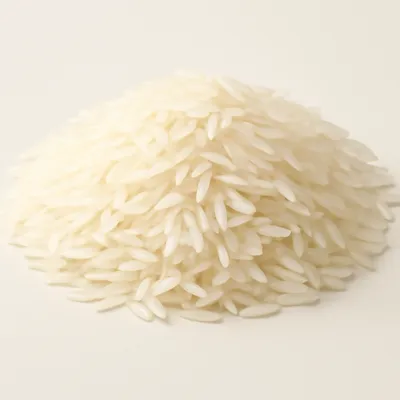
The dish is a fast, high-heat wok fry built on cold rice. Day-old steamed rice, chilled so its surface starch has dried and the grains separate cleanly, is essential, fresh hot rice clumps and turns mushy. A wok is heated until smoking, oil added, and beaten egg poured in to set immediately into golden curds that are broken up. Sliced pork, marinated briefly, and shrimp are stir-fried next, then the cold rice is added and tossed over the highest heat, the tossing keeping the grains moving so each is coated and touched by the wok's surface, the wok hei, the smoky char from the extreme heat, infusing. Soy sauce is splashed down the side of the wok, where it seizes and perfumes the rice, rather than directly onto the rice, white pepper and scallion finish, and the dish is served hot. The restraint of the soy is the Taiwanese trait, the rice lightly golden rather than dark brown, and the high heat and the cold rice are the technical requirements. The whole dish takes under five minutes, the speed essential to keep the rice separate and the wok hei present.
Variations
Pork is replaced by chicken, beef or all-vegetable. Chili crisp is a common condiment. A tomato-sauce version is a Taiwanese diner invention.
On the Palate
Where Taiwanese Fried Rice sits in the Taiwanese flavor cloud
Ingredients
Serves 2How it's made
6 steps · 10 min
- 14 min
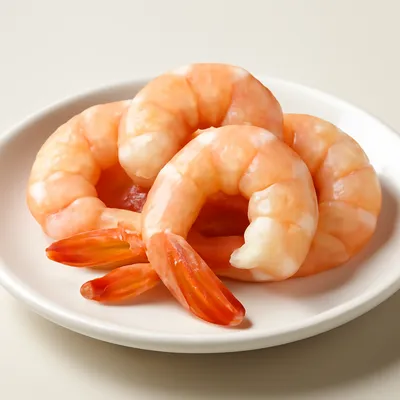
Marinate 100g sliced pork in 1 tsp soy and white pepper for 10 minutes; peel and devein 80g shrimp.
- 24 min
Heat a wok until smoking; add 2 tbsp oil, pour in 2 beaten eggs, and stir to set into curds; push to one side.
Watch outWok must be smoking before the egg hits the oil — it should puff into golden curds on contact; a cool wok gives you flat rubbery egg.
- 34 min
Add the pork and shrimp, stir-fry 1 minute until just cooked.
- 44 min
Add 500g cold day-old rice, breaking it up; toss over the highest heat for 2 minutes until each grain is separate and coated.
Watch outUse cold day-old rice and toss on the highest heat until every grain flies loose and separate — fresh warm rice clumps and turns to mush.
- 53 min
Splash 2 tbsp soy down the wok side; add 3 chopped scallions and white pepper; toss 30 seconds.
Watch outSplash the soy down the hot side of the wok, not onto the rice — it sizzles and caramelises into aroma; poured on top it just steams and wets the grains.
- 63 min
Serve hot, the grains separate and lightly golden.

