Wide flat rice noodles of the Hakka tradition, stir-fried or served in a soy-shallot sauce with pork, bean sprouts and shallot oil. A staple of the Hakka Hsinchu-Miaoli region, the noodle form of the Hakka rice cookery.



Hakka flat noodles, ban tiao, are the noodle form of the Hakka rice cookery of the Hsinchu and Miaoli hill country, where the Hakka settled and where rice, not wheat, was the staple grain. The ban tiao itself is a wide, flat, slightly chewy sheet noodle made by steaming a thin layer of rice-flour batter, then cutting it into broad ribbons, a technique related to Cantonese cheung fun but distinctively Hakka in its width and chew. The noodles are served two ways, dry-tossed in a sauce of soy, shallot oil, pork fat and fried shallots with sliced pork and bean sprouts, or stir-fried in a smoking wok with the same flavourings, the second being the more famous. The shallot oil, slow-rendered from shallots in pork fat, is the soul of the dish, its deep savoury aroma defining Hakka cooking, and the chewy bite of the ban tiao against the oily shallot sauce is the pleasure. Meinong in Kaohsiung, a southern Hakka enclave, also has its own ban tiao tradition. The dish is a fixture of every Hakka town's old street and night market.
Broad, flat, chewy rice noodles glistening with shallot oil and soy, tossed with tender pork, crisp bean sprouts and the deep savoury crunch of fried shallots. The shallot oil's aroma leads, the chewy bite of the noodle follows; deeply savoury, oily in a good way.
The ban tiao's character is the noodle and the shallot oil. The noodle is made by spreading a thin layer of rice-flour batter, of inelastic rice flour, a little tapioca for chew, water and salt, onto a flat tray, steaming it into a set sheet, then cutting it into broad flat ribbons, the sheet's slight thickness giving the characteristic chewy, bouncy bite that wheat noodles lack. For the dry-tossed version, the noodles are blanched, drained, and tossed with a sauce of soy, shallot oil, a little sugar and pork fat, topped with sliced lean pork stir-fried separately, bean sprouts and a generous scatter of fried shallots. The shallot oil is the soul, made by slowly frying sliced shallots in pork lard until deep golden and crisp, the oil itself steeped through with shallot aroma, and both oil and crisp shallots go into the dish. For the stir-fried version, the noodles are wok-fried with the shallot oil, pork, soy and bean sprouts over very high heat, the wok hei essential. The shallot oil and the chewy rice noodle are the Hakka signatures.
Variations
A soup version serves the noodles in a clear pork broth. The Meinong version adds liver and pork intestines. Chili oil is a common condiment.
On the Palate
Where Hakka Flat Noodles sits in the Taiwanese flavor cloud
Ingredients
Serves 2How it's made
6 steps · 20 min
- 18 min
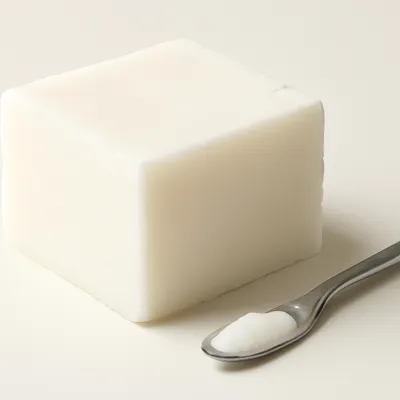
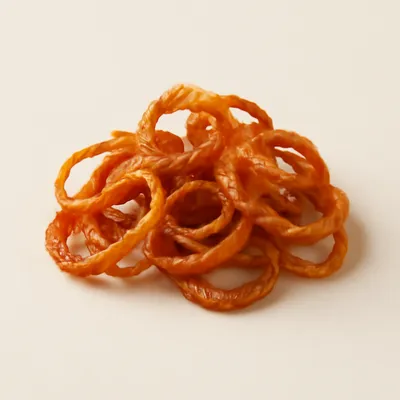
Make the shallot oil: slowly fry 100g sliced shallots in 150g pork lard over low heat until deep golden and crisp, about 15 minutes; drain the crisps, reserve the oil separately.
Watch outFry the shallots low and slow to deep gold and crisp, about fifteen minutes — pull them just before they brown fully, they keep darkening off the heat and burnt shallots turn the oil bitter.
- 23 min
Blanch 400g fresh ban tiao noodles in boiling water for 1 minute; drain.
- 34 min
Stir-fry 150g sliced lean pork with 2 cloves garlic in 1 tbsp shallot oil until just cooked; set aside.
- 44 min
In the same wok, heat 3 tbsp shallot oil, add 2 tbsp soy sauce, 1 tsp sugar and the blanched noodles, toss over high heat for 1 minute.
Watch outToss the noodles over high heat just one minute, only long enough to coat — ban tiao overcook into mush fast, so keep it quick.
- 53 min
Return the pork, add 100g bean sprouts, and toss for 30 seconds.
- 63 min
Plate, scatter the crisp fried shallots on top, and serve with chili oil to taste.