A steamed savoury cake of rice-flour batter studded with diced taro and fried shallot, pan-fried until crisp at the slices and eaten with soy-garlic sauce. A central-Taiwan breakfast and snack staple, where taro is a key crop.
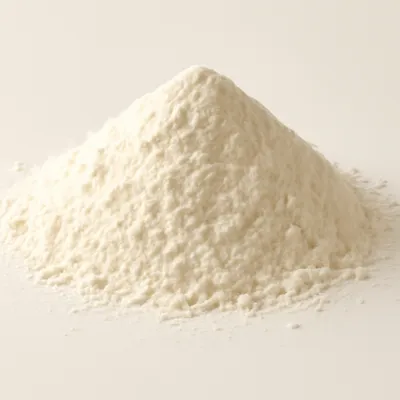
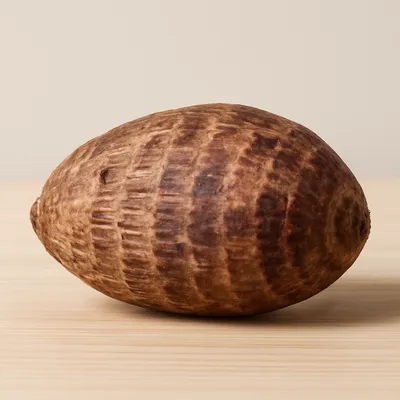
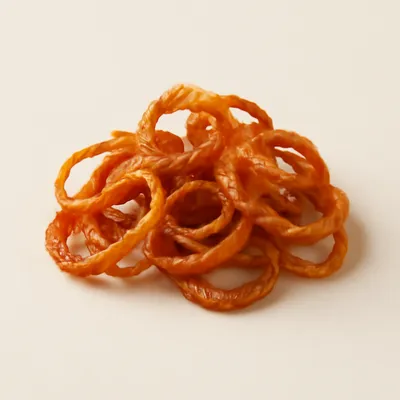

Taro cake, yu tou gao, is a steamed savoury cake of central Taiwan, where taro is a defining crop of the alluvial plains around Taichung and Changhua. The dish belongs to the broader Chinese family of steamed rice-flour cakes, Cantonese turnip cake and the like, brought to Taiwan by Hokkien and Hakka settlers and adapted to local ingredients. The central-Taiwan version leans heavily on taro, the starchy root diced and folded through a batter of rice flour and water, along with plenty of fried shallots for their savoury depth, dried shrimp and sometimes Chinese sausage. The batter is poured into a tray and steamed for an hour until set firm, then cooled and cut into slices which are pan-fried until crisp and golden at the surface while soft within. Eaten at breakfast or as a snack, doused in a soy-garlic-chili sauce, taro cake is a fixture of central-Taiwanese morning markets and dim-sum shops, the soft, starchy taro pieces and the crisp fried crust the pleasure. The dish showcases the central region's taro, sweeter and starchier than other varieties.
A crisp, golden-fried slice giving way to a soft, starchy cake shot through with tender taro cubes and the savoury depth of fried shallot, doused in a salty-garlicky soy sauce. The contrast of crisp crust and chewy taro interior is the pleasure.
Taro cake is a steamed rice-flour batter turned solid, then pan-fried. Rice flour, ideally a mix of inelastic rice flour and a little tapioca for chew, is whisked with water and seasoned with salt, sugar and white pepper to a smooth batter. Separately, diced taro is briefly stir-fried with plenty of fried shallots, dried shrimp and optionally Chinese sausage, to season the taro and release its starch. The hot taro mixture is folded into the rice batter, which is then poured into an oiled tray and steamed covered for about an hour, the long steam gelatinising the rice-flour starch into a firm, sliceable cake with the taro pieces suspended throughout. The steamed cake is cooled completely, which sets it firm enough to slice, then cut into pieces and pan-fried in a little oil until the surface is crisp and golden while the inside stays soft and starchy. The contrast of the crisp fried crust and the soft, chewy taro-studded interior, with the savoury shallot depth, is the dish, and the soy-garlic sauce cuts the richness.
Variations
Some versions add Chinese mushroom or dried scallop. A spicy version tops with chili sauce. Turnip replaces taro for the Cantonese-style turnip cake.
On the Palate
Where Taichung Taro Cake sits in the Taiwanese flavor cloud
Ingredients
Serves 6How it's made
6 steps · 25 min
- 15 min
Whisk 300g rice flour with 600ml water, 1 tsp salt, 1 tsp sugar and white pepper to a smooth batter.
- 25 min
Stir-fry 400g diced taro with 50g fried shallots, 20g dried shrimp and 1 diced Chinese sausage in 2 tbsp oil for 5 minutes.
- 35 min
Pour the rice-flour batter into the taro pan, stir until it thickens to a porridge, then tip into an oiled tray.
Watch outStir the batter into the taro over heat until it thickens to a heavy porridge that drops off the spoon in clumps — too thin and it won't set sliceable.
- 48 min
Steam the tray covered over boiling water for 1 hour until set firm and translucent at the edges.
Watch outSteam a full hour until the cake is firm and the edges go translucent — poke the centre, it should spring back, not leave a wet dent; understeamed stays pasty.
- 54 min
Cool completely, then turn out and cut into slices about 1cm thick.
- 65 min
Pan-fry the slices in a little oil over medium heat until golden and crisp on both sides; serve with soy sauce, minced garlic and chili.
Watch outPan-fry the slices without moving them until a golden crust sets, then flip — fidget too early and the soft cake tears and sticks.
Archive tool suggestions — not reviewed
These legacy suggestions have not been evidence-reviewed and are not presented as required tools.


