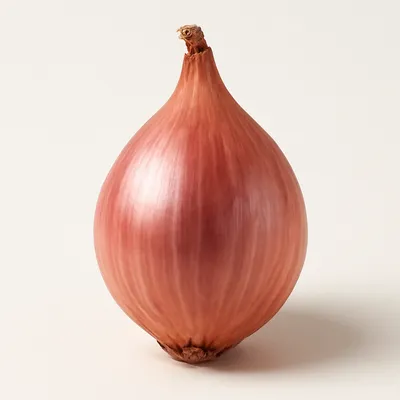
A pyramid-shaped steamed rice cake wrapped in banana leaves, the classic northern Vietnamese breakfast and street snack. A loose, silky rice-flour dough cooked to a soft pudding encloses a savory core of minced pork, wood-ear, and shallot. Unwrapped warm from its green parcel, it quivers like set custard and is eaten with a splash of chili sauce or fish sauce, often alongside a slice of pork sausage.




Bánh giò comes from northern Vietnam, with Hanoi as its heartland, and has long been a workaday breakfast sold from carts and baskets across the region. Its name is commonly traced to the giò (Vietnamese pork sausage) trade: the cake is said to have begun as a thrifty way to use up the scraps and trimmings of pork left over by professional sausage makers, bound into a rice dough and steamed. Whatever its precise beginnings, it settled into the rhythm of the city as cheap, warm, portable food — the thing you grab on the way to work and eat from the leaf.
Peel back the warm banana leaf, which has perfumed the surface faintly grassy, and the cake trembles on the spoon — smooth, soft, barely holding shape, somewhere between a thick pudding and a steamed dumpling. The pale rice body is mild and clean; then the spoon reaches the dark core, where minced pork is savory and peppery and wood-ear gives little crunches. A drizzle of chili sauce or fish sauce wakes the whole soft, gentle thing up.
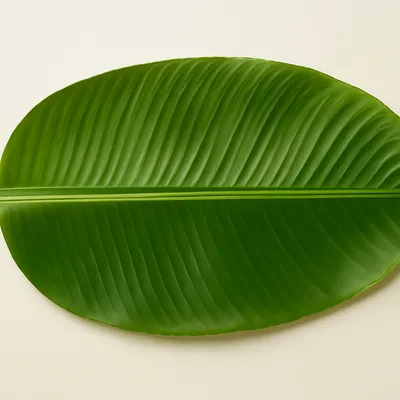
The texture is the whole craft, and it depends on cooking the dough before it is wrapped. A thin slurry of rice flour, often cut with a little tapioca starch, is stirred constantly over heat until it thickens into a glossy, pourable paste — under-cook it and the cake is watery, over-cook it and it turns stiff and gummy. The hot paste is layered around the filling inside a folded banana leaf cone, then steamed to finish, where the leaf both shapes the pyramid and lends a green, tea-like aroma. The tapioca is what keeps the set tender and slightly translucent rather than chalky.
Variations
The standard filling is minced pork with wood-ear and shallot, sometimes with a wedge of boiled egg or a slip of pork sausage tucked in. Vegetarian versions for Buddhist observance days swap the pork for mushrooms and jicama. In the south the cake tends to be a touch sweeter and softer, and street vendors everywhere serve it split open with chili sauce, pickled vegetables, and a slice of chả (pork sausage) on the side for a fuller meal.
On the Palate
Where Banh Gio sits in the Vietnamese flavor cloud
Ingredients
Serves 6
How it's made
8 steps · 35 min active + 35 min waiting
- 112 min
Soak and finely chop wood-ear; sauté minced pork with shallot, wood-ear, and seasoning into a dry savory filling.
- 23 min
Whisk rice flour and a little tapioca starch into water and broth to a thin slurry.
- 310 min
Cook the slurry over gentle heat, stirring constantly, until it thickens into a glossy, pourable paste.
Watch outStir the slurry constantly until it thickens to a glossy, pourable paste — undercooked it steams watery, overcooked it turns stiff and gummy.
- 44 min
Fold each banana leaf into a cone and spoon in a layer of hot rice paste.
- 52 min
Add a spoonful of filling, then cover with more paste to enclose it.
- 63 min
Fold the leaf over into a sealed pyramid and tie or tuck to hold the shape.
- 735 min
Steam the parcels until firm and set through.
Watch outSteam the parcels until the cake is firm and set through — the leaf both shapes the pyramid and lends its green, tea-like aroma.
- 81 min
Unwrap warm and serve with chili sauce or fish sauce.
Archive tool suggestions — not reviewed
These legacy suggestions have not been evidence-reviewed and are not presented as required tools.


