Vietnamese steamed bun with a pillowy white wheat dough wrapped around a savory filling of seasoned ground pork, wood-ear mushroom, and onion, studded with a wedge of Chinese sausage (lap xuong) and half a hard-boiled quail egg. A nationwide breakfast and all-day snack sold from glass-fronted carts and roadside steamers. The bun is descended from the Cantonese baozi but has acquired its own Vietnamese signature in the fillings.



Banh bao descends directly from the Cantonese baozi, carried into Vietnam by Chinese immigrants who settled in large numbers in Cho Lon, Saigon's Chinatown, from the 18th and 19th centuries onward. The name itself is the Vietnamese rendering of the Cantonese "baau" (包). Over generations the bun localized: where the Cantonese char siu bao leans on sweet barbecued pork, the Vietnamese version pivoted to seasoned ground pork bound with wood-ear and onion, and adopted two distinctly local markers, a wedge of sweet-cured Chinese-Vietnamese sausage and a halved quail egg. The exact point at which these inclusions became standard is not documented.
The skin is bright white, soft and slightly sweet, with a faint open seam at the crown where the dough was pleated and twisted shut. Tear it and steam escapes; inside, the pork filling is juicy and savory, threaded with the slip of wood-ear and the sweetness of onion. The lap xuong gives an oily, sweet-salt punch in one corner; the quail egg yolk is firm and dry against the moist meat. Eaten warm from the steamer, often with a small dish of chili sauce or soy.
The signature whiteness comes from low-protein wheat flour leavened with yeast and a touch of baking powder, which keeps the crumb pale and fluffy rather than chewy; some cooks add a little vinegar or lemon juice to the dough and steam over gentle heat to set the surface white. The dough is proofed twice, the second time after shaping, so the bun puffs in the steamer rather than collapsing. Steaming, not baking, keeps the skin moist and tender; high heat or a long steam yellows and wrinkles the surface, so the buns come off the heat the moment they are set.
Variations
Banh bao thit (pork) is the everyday standard; banh bao chay is a meatless version for Buddhist fasting days, filled with mung bean, mushroom, and tofu; smaller banh bao chi is a sweet steamed bun with mung-bean or sesame paste; the Hue and central versions tend to be smaller and lighter, while Saigon's are large and heavily filled. A whole quail egg or a wedge of pork pate appears in fancier shop versions.
On the Palate
Where Banh Bao sits in the Vietnamese flavor cloud
Ingredients
Serves 6
How it's made
6 steps · 1 hour active + 1 hour 30 min waiting
- 160 min
Mix low-protein flour, sugar, yeast, baking powder, milk, and a little oil into a soft dough; knead until smooth and proof until doubled.
Watch outProof the dough until doubled and springy — under-proofed it steams up dense and yellowish instead of pillowy and white.
- 215 min
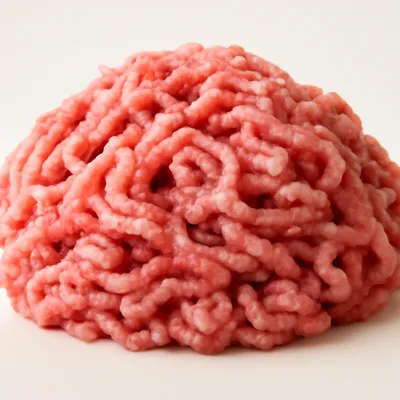
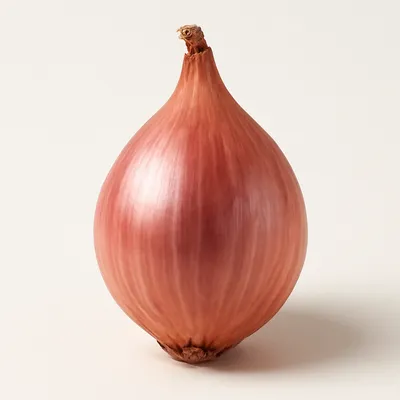
Saute ground pork with minced shallot, wood-ear mushroom, onion, fish sauce, sugar, and pepper; cool the filling completely.
- 310 min
Boil and peel the quail eggs; slice the lap xuong sausage into wedges and steam briefly.
- 415 min
Divide and roll the dough into rounds; place a portion of filling, a sausage wedge, and half a quail egg in each.
- 520 min
Pleat the dough up and around the filling, twisting the top closed; rest the shaped buns on parchment squares for a second proof.
- 615 min
Steam over gentle heat until puffed and set, then remove immediately to keep the skin white and tender.
Watch outSteam over gentle heat and lift the buns out the moment they're set — high heat or a long steam yellows and wrinkles the skin.
Archive tool suggestions — not reviewed
These legacy suggestions have not been evidence-reviewed and are not presented as required tools.


