
Fresh sheets of pho noodle wrapped around stir-fried garlicky beef, lettuce, cilantro, and mint; dipped in nuoc cham — a Hanoi shophouse invention from the West Lake area.
Pho Cuon was invented in the late 1980s at Huong Mai street in Hanoi's Ngu Xa quarter by Truc Bach Lake (Ba Dinh district, just south of West Lake), reportedly when a noodle vendor at the corner of Ngu Xa and Nguyen Khac Hieu had leftover pho sheets at the end of service and rolled them around stir-fried beef rather than throw them out. Within a decade the area had become a pho-cuon specialist street, with shops like Huong Mai and Hung Ben drawing crowds. It is a Hanoi-only dish — rare in Saigon.
Late-1980s Hanoi invention from Huong Mai street in Tay Ho district — a noodle vendor at Ngu Xa and Nguyen Khac Hieu rolled leftover pho sheets around stir-fried beef instead of trashing them. Saigon never picked it up.
The contrast you don't get from rice-paper rolls: the noodle sheet has more body, almost a soft chew, and it's still warm and pliable. Garlic-charred beef bleeds soy and pepper into the herbs. Mint and cilantro come through clean. The dipping sauce is the bridge — too much and it's salty, too little and the bundle reads bland. A West Lake stall hands you eight rolls on a plate and a small bowl of nuoc cham; you finish them in five minutes and order eight more.
Fresh pho-noodle sheet is the load-bearing element. Hanoi noodle-makers steam thin rice-flour batter on cloth like Cantonese cheong fun and either cut it into strips for soup or leave it whole for cuon. The sheet has just enough surface starch to self-seal but enough body to hold a hot-stir-fried filling without tearing. Rice paper, the southern substitute, is too brittle and too neutral; it does not produce the same dish.
Variations
Huong Mai is the original house; Hung Ben across the street runs a competing canon; pho chien phong (puffed-fried pho squares with beef gravy) and pho chien trung (egg-fried) are the same alley's deeper-fried cousins.
On the Palate
Where Pho Cuon sits in the Vietnamese flavor cloud
Ingredients
Serves 4








How it's made
6 steps · 25 min active + 5 min waiting
- 15 min
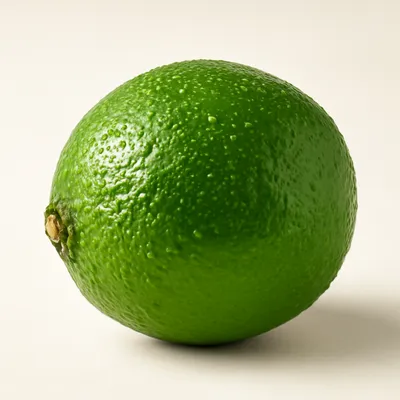
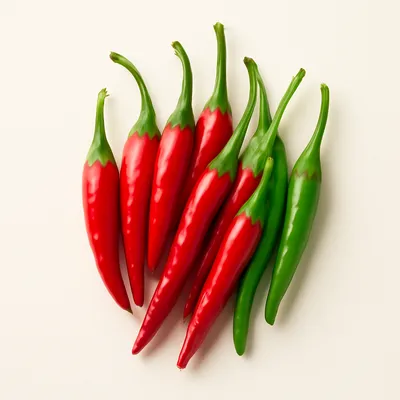
Make nuoc cham: dissolve 30g sugar in 60ml warm water. Add 60ml nuoc mam, 50ml lime juice, 2 minced garlic cloves, 2 sliced bird chillies. Taste — should read sweet-sour-salty in that order, never sharply sour.
- 25 min
Slice 300g beef sirloin against the grain at 3mm. Marinate 5 minutes with 1 tbsp nuoc mam, 1 tbsp oyster sauce, 1 tsp sugar, 4 minced garlic cloves, 1 tsp black pepper.
- 33 min
Heat 2 tbsp oil in a wok until smoking. Add the beef in a single layer, leave 30 seconds, then toss for 90 seconds total. Beef should be just-browned with garlic crisping at the edges. Set aside.
Watch outGet the wok smoking before the beef goes in and don't stir for the first 30 seconds — you want a browned sear and crisp garlic edges, not grey steamed meat.
- 42 min
Cut 8 sheets of fresh banh pho (15x15cm) — these are the same noodle un-cut into strips, sold by Hanoi noodle makers. If only dry strips are available, this dish does not work — substitute with rice paper rounds and accept it's a different dish.
- 58 min
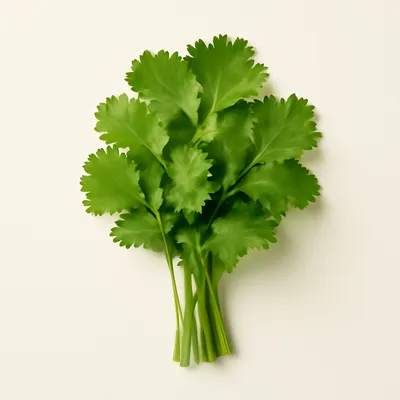
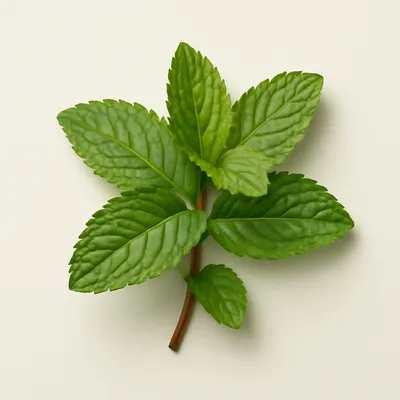
Lay one sheet flat. Place a leaf of soft lettuce, 2 sprigs cilantro, 2 mint leaves, a tablespoon of beef. Roll once to enclose, fold in the sides, finish the roll. The noodle sheet is sticky enough to seal itself.
Watch outRoll while the sheet is fresh and slightly tacky — it seals on its own with no water; if it won't stick, the noodle has dried out.
- 62 min
Arrange seam-side down on a plate. Serve at room temperature — the noodle gets gummy if chilled. Dunk each roll in nuoc cham at the table.
Watch outServe at room temperature — chill the rolls and the noodle sheet turns gummy and tough.


