
Clay-pot black carp from Vu Dai village in Ha Nam, slow-braised overnight in caramel, fish sauce, galangal, and pork-belly fat until the bones soften enough to eat — a Tet specialty.
Ca kho lang Vu Dai is the most famous regional kho in Vietnam — from Vu Dai village in Ha Nam province, north of Hanoi. The village's overnight clay-pot braise became a cultural reference point partly because of writer Nam Cao, who set fictional stories in Vu Dai in the 1930s and 40s. From the 2000s onward, family kitchens in the village began producing the dish commercially for Tet, shipping clay pots across northern Vietnam and to overseas Vietnamese — a single pot, prepared for 12-14 hours, can sell for the equivalent of a full day's wage.
Vu Dai village (Ha Nam province) clay-pot fish braise — made famous by writer Nam Cao's 1930s-40s stories. Twelve hours at 80-85°C is the work: calcium phosphate in fish bones partially dissolves, leaving them brittle enough to chew. Galangal-lemongrass bed prevents conduction burning.
Steaks of black carp the colour of strong tea, the flesh dense and salt-cured-feeling, mahogany-glazed at the edges. Pick up a piece with chopsticks — the bone is there but it crumbles when you bite, no spitting required. Sauce around it is jam-thick. The rendered pork belly on top has gone almost transparent. Eaten in tiny portions over rice — one steak feeds two — because the salt and umami concentration is enormous. Cold leftovers next day are firmer, drier, more savoury, and northerners argue better.
The 12-hour low-temperature braise is what does the work — at 80-85°C for that long, the calcium phosphate in fish bones partially dissolves into the surrounding gelatin matrix while the protein softens, leaving bones brittle enough to chew. Boiling temperatures (100°C) would never achieve this in 12 hours; they would shred the flesh before touching the bone. The pork belly is structural: rendered fat coats the fish, slowing surface dehydration so the meat stays moist through the long braise. The galangal-and-lemongrass bed prevents direct conduction burning at the pot base.
Variations
Vu Dai village families like the Tran Luan and Tran Bao households commercially ship clay pots for Tet at premium prices; Hai Phong coastal versions use sea fish (mackerel) instead of carp; everyday Hanoi home cooks make a 2-3 hour shortcut version that softens flesh but never the bones.
On the Palate
Where Ca Kho Lang Vu Dai sits in the Vietnamese flavor cloud
Ingredients
Serves 6
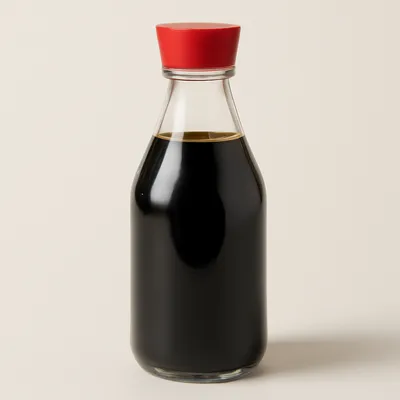

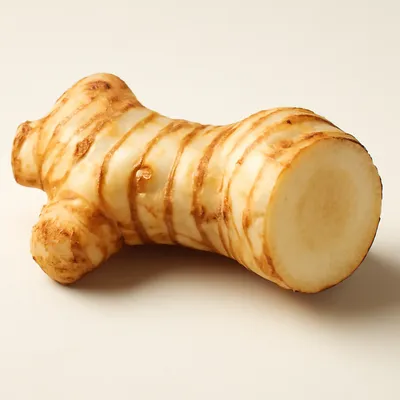
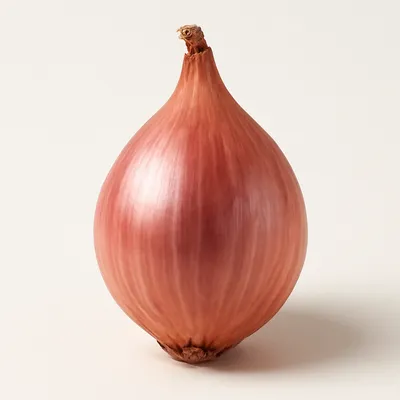





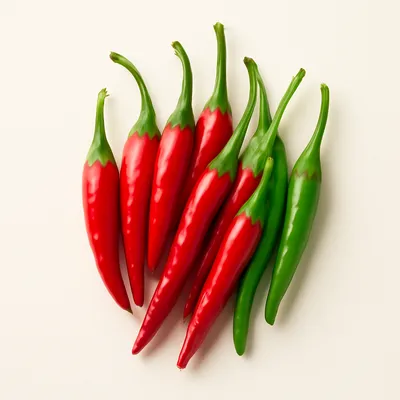


How it's made
8 steps · 1 hour active + 14 hours waiting
- 115 min
Scale, gut, and clean a 1.5kg whole carp (ca tram den, black carp, is traditional). Cut into 4cm-thick steaks across the bone. Rub with coarse salt, rinse, pat dry.
- 232 min
Marinate fish 30 minutes with 4 tbsp fish sauce, 2 tbsp dark soy sauce, 1 tbsp sugar, 1 tbsp grated galangal (rieng), 4 minced shallots, 1 tsp ground black pepper, 1 tbsp ginger juice.
- 35 min
Line a clay pot (nieu dat) with a layer of 6 thick galangal coins, 6 ginger coins, and 4 lemongrass stalks (white parts, bruised). This insulates the fish from direct contact with the pot bottom — non-negotiable for the overnight braise.
Watch outLay the galangal and lemongrass in a full bed across the pot base — bare fish on the clay will scorch through the long braise.
- 45 min
Layer the fish steaks on the aromatic bed. Tuck 200g pork belly cut in 1cm strips between and on top of the fish — its rendered fat is the second non-negotiable.
- 55 min
In a separate pan, make a deep caramel: 4 tbsp sugar over medium until almost-black amber, 4 minutes. Off heat, add 100ml hot water, swirl, then 2 more tbsp fish sauce, 1 tbsp rice wine, 1 sliced bird's eye chilli. Pour over the fish.
Watch outTake the sugar to a near-black amber and pull it off the heat fast — a shade past and the caramel turns acrid, a shade short and it stays flatly sweet.
- 62 min
Add 200ml fresh young coconut water, just to about three-quarters up the fish. Cover with the clay-pot lid.
- 7720 min
Bring to a strong simmer over high, then lower to the smallest possible flame — barely a tremor, 80-85°C. Braise 12-14 hours overnight. Top up with hot water in 50ml increments only if the pot threatens to dry out — the bones need that long, low heat to soften.
Watch outDrop the flame until the surface barely trembles, around 80 to 85°C — any real bubbling shreds the flesh long before the bones ever soften.
- 88 min
In the morning, uncover. The liquid should be reduced to a dark glaze, the fish flesh deep mahogany, the bones crumbly between fingers. Raise heat 5 minutes to thicken any remaining liquid. Crack fresh black pepper, scatter chopped scallion. Serve with hot rice and pickled mustard greens.
Watch outIt is ready when a bone crumbles between your fingers and the sauce has pulled down to a dark glaze — the flesh should be deep mahogany right through.
Archive tool suggestions — not reviewed
These legacy suggestions have not been evidence-reviewed and are not presented as required tools.


