
Hanoi pillow cakes: deep-fried half-moon dumplings filled with seasoned pork, glass noodles, wood-ear mushroom, and a quail egg, eaten with green-papaya pickles and nuoc cham.
Banh goi is a Hanoi street snack — the name means pillow cake, after the plump half-moon shape. It belongs to the family of Vietnamese fried savouries (with banh ran man and banh tom) sold from afternoon stalls and Old Quarter shophouses; the legendary stall near St. Joseph's Cathedral on Ly Quoc Su has operated since 1982. The wheat-flour pastry and the pork-glass-noodle-wood-ear filling reflect Northern Vietnam's Chinese-Vietnamese trade overlap; the quail-egg insert is a 20th-century elaboration that became standard.
Hanoi street snack — name means pillow cake. The 52 Ly Quoc Su stall has run since the 1980s. Fry at 160°C, not 180°C: hotter and the shell browns before the pork core hits 75°C.
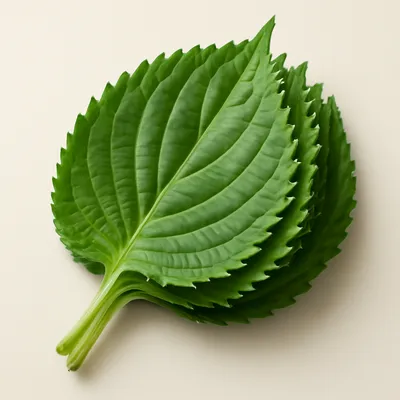
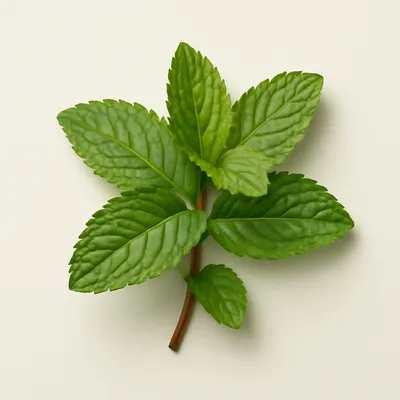
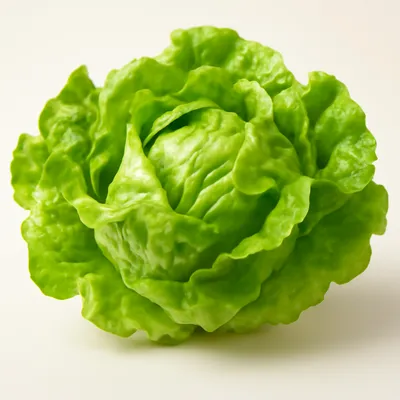
A bronze half-moon the length of a hand, edge crimped into a 1cm rope of pleats. The shell shatters with a glassy crack — thinner and crisper than a Western pastry, more like a fried wonton skin scaled up. Inside: warm pork that's juicy from rendered fat, glass noodles for slippery contrast, and the surprise of a hard-boiled quail egg in the centre. You wrap the torn pieces in lettuce with mint and perilla, dip in nuoc cham. The crimping is the cook's calligraphy — uneven pleats mark a beginner.
Two temperatures matter. The dough wants lard or shortening (not butter) for short, brittle layers — butter's water content makes the shell tough. Frying at 160°C, not 180°C, is non-obvious: the pastry is thick enough that hotter oil browns the outside before the pork core hits 75°C, leaving raw filling. The crimped edge is structural — it locks out oil that would otherwise seep through a pinched seam and turn the filling greasy.
Variations
52 Ly Quoc Su is the standard reference in the Old Quarter; banh ran man is the round glutinous-rice-skin sibling; banh xeo dwarfs it in size but shares the pork-shrimp-mungbean filling logic; some stalls sub a chicken-and-glass-noodle filling for halal customers.
On the Palate
Where Banh Goi sits in the Vietnamese flavor cloud
Ingredients
Serves 4









How it's made
6 steps · 1 hour active + 30 min waiting
- 122 min
Soak 30g dried wood-ear mushrooms and 50g glass noodles in warm water for 20 minutes. Drain; chop wood-ear into 5mm pieces and snip noodles into 3cm lengths.
- 217 min
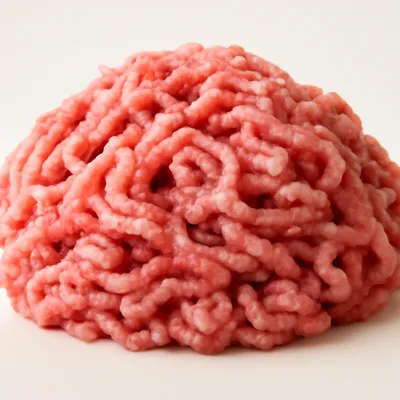
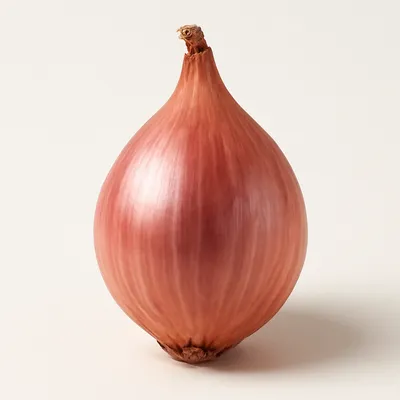
Mix 300g ground pork (20% fat) with 1 small grated onion, 2 minced shallots, 2 tsp fish sauce, 1 tsp sugar, 1/2 tsp ground white pepper, the wood-ear and noodles. Knead briefly until cohesive. Rest 15 minutes.
- 336 min
Make pastry: combine 300g plain flour, 1 tsp salt, 1 tbsp sugar, 30g lard or shortening, 1 large egg, 120ml warm water. Knead 6 minutes to a smooth firm dough. Rest 30 minutes covered.
- 420 min
Roll dough to 2mm thick. Cut 12cm rounds. On each, place 1 generous tablespoon filling slightly off-centre and one peeled boiled quail egg. Brush rim with water; fold into half-moon and crimp the edge in tight overlapping pleats — the pleat is what gives banh goi its visual signature.
Watch outCrimp the rim into tight overlapping pleats with no gaps — a loose seam lets oil seep in and the filling turns greasy.
- 514 min
Heat 1L neutral oil to 160°C in a deep pan. Fry 4-5 dumplings at a time for 6-7 minutes, turning, until shell is deep golden and the filling registers 75°C internal. Lower temp slightly if browning too fast — the pork must cook through.
Watch outHold the oil at 160°C, no hotter — the shell is thick, and fiercer oil browns it before the pork core reaches 75°C, leaving the center raw.
- 65 min
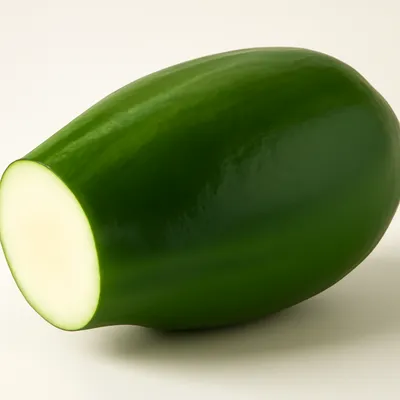
Drain on a rack. Serve immediately with green papaya pickle (julienned papaya quick-pickled in sugar-vinegar-salt brine 30 minutes) and nuoc cham. Diners tear or scissor the dumpling, add herbs (perilla, mint, lettuce), spoon over nuoc cham.


