Roti Mataba is Thai-Muslim street food — its name preserves the Arabic-Urdu word mutabbaq (folded). It came to Southern Thailand and Bangkok with Indian-Muslim and Malay traders in the 19th and early 20th centuries, the same migration that brought roti canai, beef massaman, and Khao Mok Gai. The original Bangkok shop Mataba on Phra Athit Road, opened in 1943 by Abdul Kareem, a Muslim from Southern India, codified the modern Thai version with Massaman-style filling and the cucumber ajat side.
Name preserves the Arabic-Urdu mutabbaq (folded). The original Mataba shop on Bangkok's Phra Athit Road, opened 1961 by an Indian-Muslim family, codified the modern Massaman-filled-with-cucumber-ajat version.
Cut into four squares, the parcel is shatteringly crisp on both faces — flaky, almost croissant-like in laminated layers from the oil-rested dough. Inside, the curry filling clings to barely-set egg, which acts as a custard binder. Each bite goes: crisp, then warm-spiced curry (cumin, cardamom, cinnamon from the Massaman paste), then sweet-sharp from the cucumber pickle on the side. Heavy and rich — one parcel feeds two. A roti that stays soft means the dough wasn't rested long enough to laminate.
The dough's secret is oil-immersion resting — 2 to 12 hours submerged in neutral oil. The fat penetrates between gluten sheets, so when pulled the dough stretches without snapping back, and when fried the layers separate into pseudo-laminated flakes. The filling must be fully cooled before assembly: warm filling melts the oily dough at the seams, leaks, and won't crisp. The egg added at the last second is structural — it binds the cooled curry into a sliceable mass.
Variations
Mataba Phra Athit (1943) is the canonical Bangkok stop; Hat Yai south runs heavier on cardamom and longer-cooked filling; halal night markets in Krabi serve a beef-only version; the Malay murtabak across the border uses thinner dough and runs sweeter.
On the Palate
Where Roti Mataba sits in the Thai flavor cloud
Ingredients
Serves 4









How it's made
6 steps · 1 hour active + 2 hours waiting
- 115 min
Knead 300g bread flour, 1 tsp salt, 1 tbsp sugar, 1 tbsp condensed milk, 1 egg, 180ml water 8 minutes to a sticky dough. Coat heavily in oil, divide into 80g balls, submerge in oil. Rest 2 hours minimum (overnight is better) — gluten relaxes enough to stretch paper-thin.
Watch outCoat the dough heavily in oil and rest it at least 2 hours, overnight better — the fat has to soak between the gluten sheets so it later pulls paper-thin without snapping back.
- 214 min
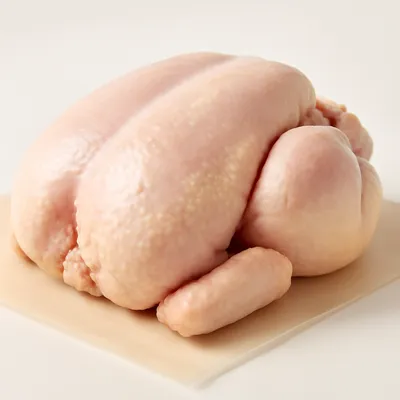
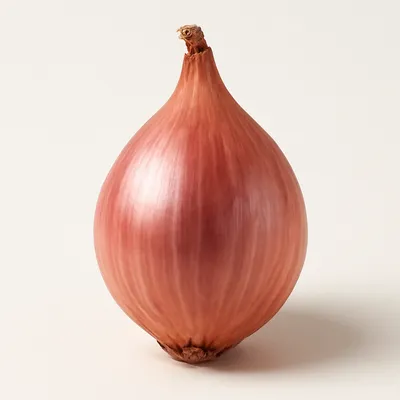
For filling: heat 2 tbsp oil, fry 2 tbsp Massaman curry paste 2 minutes. Add 300g minced chicken or beef, brown 5 minutes. Stir in 1 tbsp fish sauce, 1 tsp sugar, 30ml coconut cream, 1 minced onion. Cook 5 minutes until dry. Cool fully.
- 34 min
On a heavily oiled steel surface, slap and stretch one dough ball into a 30cm translucent square — you should be able to read newsprint through it. Tears below 5cm don't matter, they'll be folded inside.
Watch outStretch the ball till you can read print through it — tears smaller than a finger don't matter, they fold inside; if it keeps springing back, it hasn't rested in the oil long enough.
- 42 min
Pile 80g cooled filling in the centre. Beat 1 egg and pour 2 tbsp over the filling. Fold the four edges in to make a 12cm sealed square parcel.
- 55 min
Heat 3 tbsp oil on a flat griddle to 180°C. Lay the parcel seam-down. Press with a spatula. Fry 2 minutes — golden and crisp. Flip, fry 2 more minutes — egg inside is just set.
Watch outFry seam-down first, pressing flat, about 2 minutes a side to golden and crisp — flip when the underside sets so the egg inside just cooks through without leaking.
- 62 min
Cut into quarters with a heavy knife. Serve with cucumber-onion-vinegar pickle (ajat) and an extra spoonful of curry sauce on the side.
Archive tool suggestions — not reviewed
These legacy suggestions have not been evidence-reviewed and are not presented as required tools.