A lacy mussel or oyster pancake — rice-flour-and-egg batter fried until the edges crisp and curl, scattered with bean sprouts and served with a chile-vinegar dip.
Hoy Tod entered Bangkok via Teochew Chinese vendors in the 19th century — it descends from the Chaozhou oyster pancake o-luak / o-chian. Thai cooks shifted the binder from sweet-potato starch to a rice-and-tapioca mix and added bean sprouts and Thai chile-vinegar dip in place of soy. By the 20th century it was a fixture of Bangkok's Yaowarat (Chinatown) night markets, where specialists work two giant flat griddles in parallel to keep up with the queue.
Came to Bangkok via 19th-century Teochew vendors as a riff on Chaozhou o-luak. Tapioca starch makes the lace edge (it gelatinises low and dries glassy); rice flour gives the body. Wheat is just the binder.
A pancake the size of a side plate, the rim a brittle dark-gold lace you snap off first, the centre a softer eggy raft studded with plump shellfish — oysters give a briny custard pop, mussels are chewier and more mineral. Bean sprouts on top stay raw-crunchy, cutting the fat. The dip is sharp and forward — vinegar, fish sauce, fresh chile heat. A flabby Hoy Tod has no lace edge — it means the batter was too thick or the pan wasn't hot enough.
Two starches do different jobs: tapioca contributes the lacy crisp edge (it gelatinises low and dehydrates into glassy strands); rice flour gives the body its tender chewiness. Wheat flour is just enough to bind. The batter must be thin enough that on contact with hot fat the edges spread and dry into lace before the centre sets — a thicker batter just gives a uniform pancake. The eggs are added second so the whites cook around the seafood without diluting the bottom crust.
Variations
Yaowarat (Bangkok Chinatown) crispier-laced school vs the soft 「or suan」 oyster-omelette school; Penang's chien chau is wetter and saucier; Taiwan's o-a-tsian is bound with sweet potato starch and runs softer.
On the Palate
Where Hoy Tod sits in the Thai flavor cloud
Ingredients
Serves 2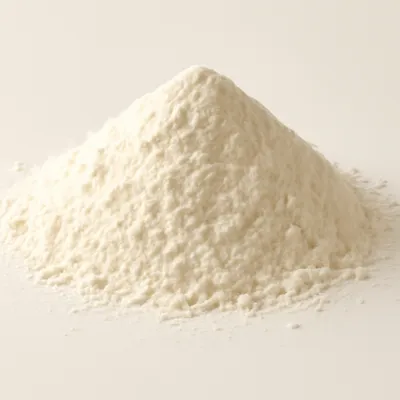







How it's made
6 steps · 25 min active + 5 min waiting
- 16 min
Whisk 80g rice flour, 30g tapioca starch, 1 tbsp wheat flour, pinch salt with 200ml cold water. Rest 5 minutes. The batter should be thinner than pancake batter — like cream.
Watch outThe batter should pour like cream, thinner than pancake batter — too thick and the edges won't spread into lace, you just get a solid pancake.
- 23 min
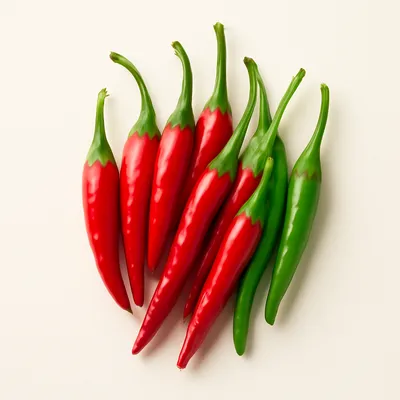
Mix 4 tbsp fish sauce, 4 tbsp white vinegar, 2 tbsp sugar, 2 minced bird's-eye chiles, 1 minced garlic clove. Set aside as nam jim.
- 33 min
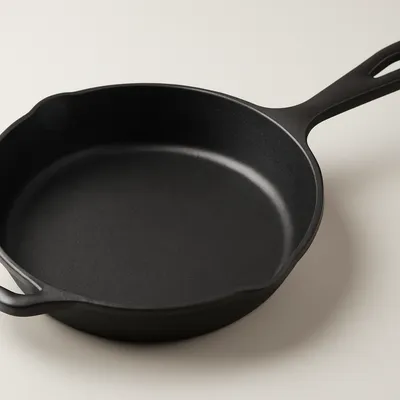
Heat 4 tbsp lard or oil in a 28cm flat skillet over medium-high until smoking. Pour in 200ml batter — let it spread into a thin crepe. Scatter 200g shucked oysters or de-bearded mussels evenly across the surface.
Watch outEnsure the oil is hot enough to create a crisp edge without burning the batter.
- 44 min
Crack 2 eggs over the top and break the yolks with a fork. Drag the eggs across so they pool into the batter. Cook 4 minutes — edges turn lacy and dark gold, base sets crisp.
Watch outFry until the rim turns lacy and dark gold and the base sets crisp — this glassy edge is the whole point; pull it pale and it goes soggy.
- 53 min
Flip in two halves with a spatula. Fry another 2 minutes — pancake should be crisp at the rim, eggy-soft where the seafood sits. Pile 80g raw bean sprouts on top off-heat — residual heat barely wilts them.
Watch outPile the raw bean sprouts on off the heat — the residual warmth should barely wilt them so they stay crunchy against the crisp pancake.
- 61 min
Slide onto a plate. Pour nam jim into a small bowl. Eat with a fork-and-spoon, breaking pieces from the lacy edge inward.
Archive tool suggestions — not reviewed
These legacy suggestions have not been evidence-reviewed and are not presented as required tools.