Pounded young-jackfruit dish closer to a stew than a salad — green jackfruit boiled, pounded with chile-shallot paste, simmered with pork ribs, dried chiles, and fermented soybean. A Chiang Mai household staple.
Tam khanun is a household and temple-festival dish from the Chiang Mai countryside. Young jackfruit grew on most farms before it was ever a city ingredient, and pounding it with the standard Lanna chile-shallot-tua nao paste turned a tough fruit into a stew that stretches a small portion of pork ribs across a family. It rarely shows up on restaurant menus outside the North; it's a dish you eat at home or at a wat festival.
Chiang Mai countryside household and temple-festival dish. The non-obvious step is pounding the boiled young jackfruit before braising — that's what tears the fibers so paste and pork fat penetrate. Without tua nao it tastes like a generic chile braise.
Looks like pulled pork the color of weak tea — the jackfruit shreds into fibers nearly indistinguishable from meat at first glance. The texture is the dish: the strands are soft but with a faint vegetable bite, soaked through with paste-and-pork-fat broth. Flavor is smoky-funky from the tua nao, gently hot from the dried chile, with sweet bursts where a tomato breaks. Pinch with sticky rice; the rice cools the chile, the jackfruit clings to the rice. If it tastes one-note hot, the tua nao was missed.
The non-obvious step is pounding the boiled jackfruit before braising. Boil-then-braise alone gives chunks that taste of nothing; pounding tears the cell walls so the flesh shreds into fibers and the paste can penetrate. The young jackfruit must be green-immature (seeds still soft, no yellow flesh) — ripe jackfruit goes sweet and falls apart. Tua nao is the ingredient most often skipped abroad; without it tam khanun tastes like a generic chile braise instead of Lanna.
Variations
Chiang Mai's Tong Tem Toh runs the canonical version; Mae Hong Son Shan villages add fermented bamboo; Lanna temple-fair vendors skip the pork ribs (Buddhist-friendly); Yunnan Tai Lue cousins use the same young jackfruit but braise with sour bamboo instead.
On the Palate
Where Tam Khanun sits in the Thai flavor cloud
Ingredients
Serves 4







How it's made
6 steps · 35 min active + 40 min waiting
- 135 min
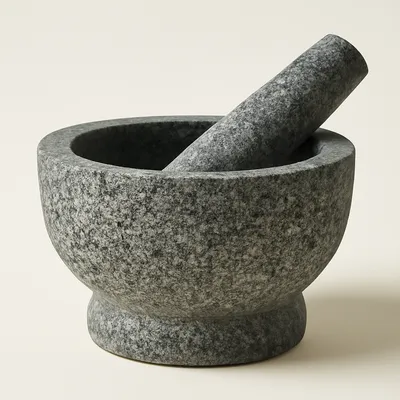
Peel 600g young (green) jackfruit with oiled hands — the latex is sticky. Cut into 3cm chunks; boil in salted water 30 minutes until a knife slides through. Drain, cool, then squeeze out water and shred coarsely with the side of a pestle.
Watch outAfter boiling, crush the jackfruit with the side of the pestle until it shreds into fibers — leave it in chunks and it stays bland; tearing the flesh open is what lets the paste soak in.
- 26 min
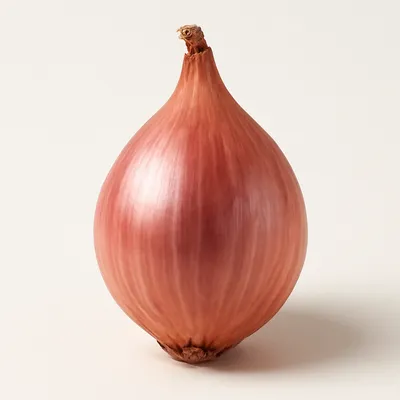
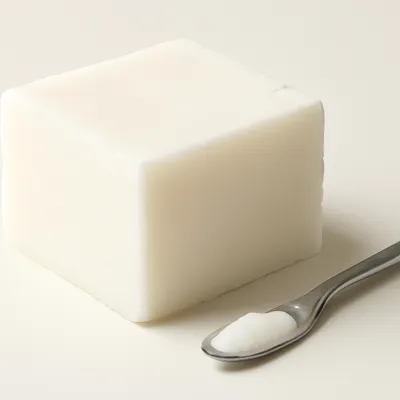
Pound paste: 6 dried red chiles (soaked), 4 shallots, 6 garlic cloves, 1 toasted tua nao disc, 1 tsp salt — to a rough paste.
- 35 min
In a wok with 3 tbsp pork lard, fry the paste over medium heat 3 minutes until red-fragrant. Add 300g pork ribs (parboiled 20 min beforehand), turn to coat 2 minutes.
Watch outFry the paste in lard until it turns red and fragrant — that shift to a deep fried-chile smell means it's cooked out and ready for the ribs.
- 415 min
Add the shredded jackfruit and 300ml of the rib-cooking broth. Season with 1.5 tbsp fish sauce. Simmer uncovered 15 minutes — the jackfruit takes on the paste color and the liquid reduces to a glaze around the strands.
Watch outSimmer uncovered until the liquid cooks down to a glaze clinging to the strands and the fibers take on the paste's color — soupy means it's not there yet.
- 52 min
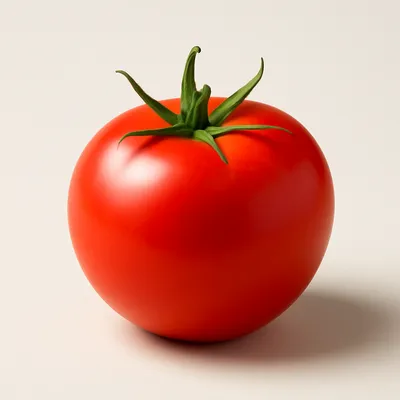
Stir through a handful of cherry tomatoes (halved) and 2 sliced kaffir lime leaves. Cook 2 minutes — tomatoes warm through but stay intact.
- 62 min
Top with fried dried chiles, fried garlic, and torn coriander. Serve warm with sticky rice. Texture is fibrous-strands, not chunks.
Archive tool suggestions — not reviewed
These legacy suggestions have not been evidence-reviewed and are not presented as required tools.