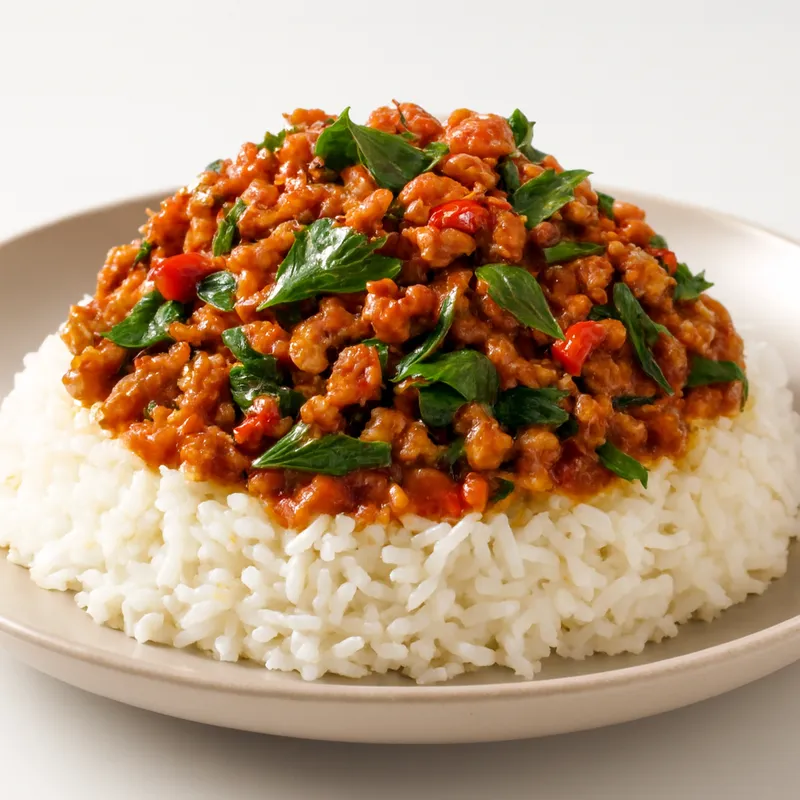
Thailand's everyday sweet-and-sour stir-fry: bite-size pork or chicken tossed with pineapple, tomato, cucumber, onion, and bell pepper in a tangy, lightly sweet sauce built on vinegar, sugar, and tomato. It is mild and family-friendly rather than fiery, a staple of rice shops and home tables and a near-universal entry on Thai-Chinese menus. The vegetables stay crisp and the sauce is a thin, glossy glaze rather than a thick pour.

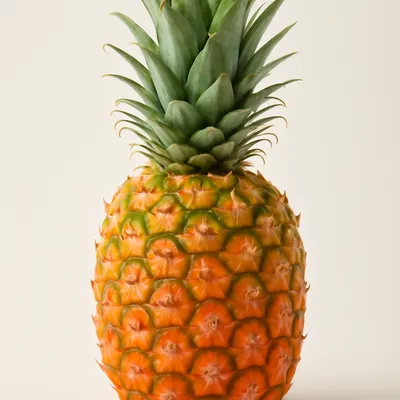


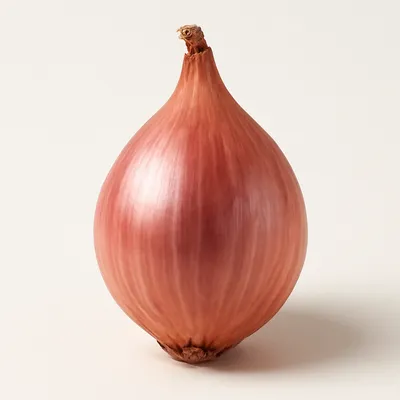

Pad priao wan is the Thai branch of the southern-Chinese sweet-and-sour tradition, carried into Thailand by Teochew and Hokkien migrants whose wok cooking shaped much of the country's everyday stir-fry repertoire. The Chinese ancestor seasons with vinegar and sugar; the Thai table version absorbed local pineapple, tomato, and cucumber and tends milder and less gloopy than the deep-fried, ketchup-red restaurant sweet-and-sour of the Chinese diaspora abroad. It has no single inventor and is generic Thai-Chinese home and rice-shop food, ordered as a calm, kid-friendly plate amid spicier dishes.
Sweet and sour arrive together and stay balanced — the vinegar tang lifted by sugar, rounded by the juice of cooked tomato and pineapple. The meat is tender, the pineapple warm and slightly jammy at the edges, the cucumber and bell pepper still cool and crunchy from going in last. It reads light and refreshing, almost a palate-cleanser next to chili-heavy dishes. The sauce should cling in a thin sheen; if it sits thick and pasty, too much starch or sugar went in.
The sauce is a balance of three axes: acid from vinegar, sweetness from sugar, and savory depth from fish sauce, with cooked tomato supplying both color and a soft acidity that keeps the vinegar from reading harsh. A small amount of cornstarch slurry near the end pulls everything into a light glaze that coats the meat without becoming a thick gravy — the goal is a sheen, not a sauce. Sequencing protects texture: meat and onion go in first, the firmer vegetables next, and cucumber and bell pepper last so they warm through but stay crisp. Pineapple added late keeps its shape; cooked too long it collapses and over-sweetens the pan.
Variations
Pork (priao wan moo) and chicken (priao wan gai) are most common; shrimp or fish are popular at seafood shops, and a deep-fried version (using battered, fried meat or whole fried fish napped in the sauce) is a restaurant upgrade. Some cooks add a squeeze of tomato ketchup for color and body, and the vegetable mix flexes with the market — baby corn, scallion, and snap peas all appear.
On the Palate
Where Pad Priao Wan sits in the Thai flavor cloud
Ingredients
Serves 3

How it's made
6 steps · 20 min
- 114 min
Cut pork or chicken into bite-size pieces; cut pineapple, tomato, cucumber, onion, and bell pepper into similar chunks.
- 24 min
Stir vinegar, sugar, fish sauce, and a little water into a sweet-sour sauce, and make a thin cornstarch slurry on the side.
- 33 min
Heat oil in a wok, add garlic, then the meat, and stir-fry over high heat until cooked through.
Watch outStir-fry the meat over high heat until just cooked through — a hot wok sears it fast and keeps it juicy.
- 43 min
Add onion and tomato and stir-fry until they soften and the tomato starts to break down.
- 52 min
Add pineapple, bell pepper, and cucumber and toss briefly so they heat but stay crisp.
Watch outToss the pineapple, pepper, and cucumber only briefly so they warm but stay crisp — cooked too long they go soft and watery.
- 62 min
Pour in the sauce, bring to a quick boil, stir in just enough slurry to glaze, and serve over rice.
Watch outAdd just enough slurry to leave a glossy glaze that coats the meat — the goal is a sheen, not a thick gravy.