Plate-sized turmeric-rice-flour-and-coconut-milk crepe sizzled crispy with shrimp, pork belly, mung beans and bean sprouts inside, eaten torn into mustard-leaf wraps with herbs and nuoc cham.
Banh Xeo Mien Tay is the Mekong Delta version of Vietnam's sizzle-crepe. The central-Vietnamese version (around Da Nang and Quy Nhon) is small — palm-sized, made one per person. The southern Mekong version, codified in the rice-and-coconut belt of Can Tho and An Giang, is plate-sized, richer with coconut milk, and shared family-style. Both descend from rice-flour pancake traditions traceable to coastal Cham and Khmer cooking; the turmeric tint is a southern marker.
Mekong-delta plate-sized version, codified in Can Tho and An Giang's rice-coconut belt. The xeo names the sizzle when batter hits a 200°C+ pan. Coconut milk fat does the lacy edge browning the way butter does for a French crepe.
Bigger than your face — 30cm across, the colour of egg yolk from turmeric, edges shattering like a Pringle when you tear a piece off. The middle is soft and slightly creamy from coconut milk, holding pink curls of shrimp, sweet pork fat, the nutty crumble of yellow mung beans, the snap of bean sprouts. The mustard leaf brings peppery heat; the herbs cut the fat; the nuoc cham makes it sweet-sour-salty all at once. A bad banh xeo is pale, soggy, or so eggy it tastes like an omelette.
The crispness depends on three things: a thin batter (rice flour plus a small amount of cornstarch — never wheat), a screaming-hot pan (over 200°C, hence the «xeo» sizzle), and a lid for exactly the right window. The lid traps steam to cook the toppings without overcooking the bottom; lift it too early and the centre is raw, too late and the edge softens. Coconut milk is structural too — its fat is what produces the lacy edge browning, the same way butter does for a French crepe.
Variations
Banh xeo Mien Tay (plate-sized, coconut-rich, shared family-style); banh xeo Mien Trung from Da Nang and Quy Nhon is palm-sized, one per person; banh khot is the bite-sized cousin from Vung Tau cooked in cast-iron molds; banh xeo Phan Thiet adds squid and is wrapped in mustard greens.
On the Palate
Where Banh Xeo Mien Tay sits in the Vietnamese flavor cloud
Ingredients
Serves 4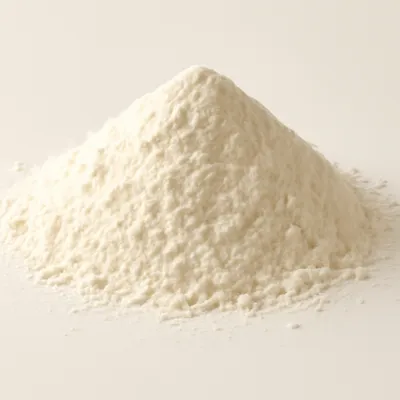












How it's made
6 steps · 1 hour active + 30 min waiting
- 135 min
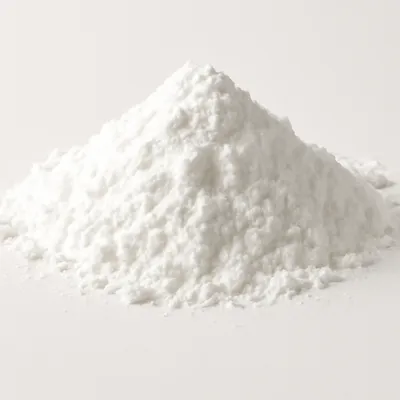
Whisk 250g rice flour, 30g cornstarch, 1 tsp turmeric, 1/2 tsp salt with 400ml coconut milk and 250ml water; thin to single-cream consistency. Stir in 4 finely sliced scallions. Rest 30 minutes — the flour needs to hydrate or the crepe tears.
- 215 min
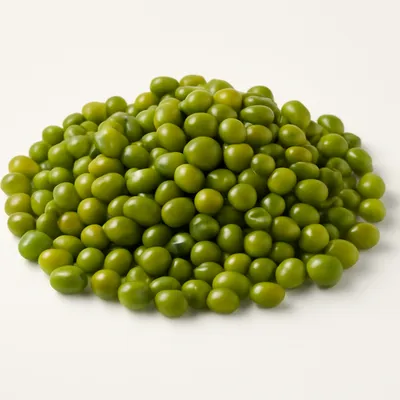
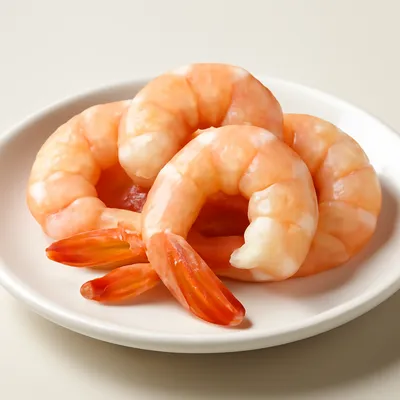
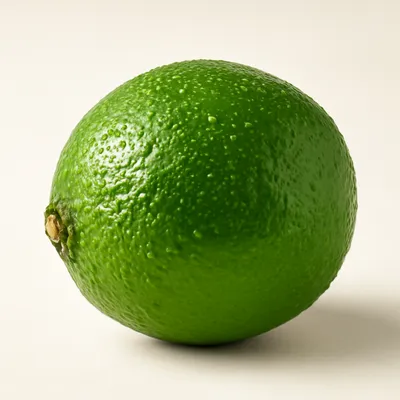
Soak 80g split mung beans 1 hour, steam 15 minutes until tender. Slice 200g pork belly into 5mm strips; peel and devein 200g shrimp. Wash 200g mung-bean sprouts. Mix nuoc cham: 60ml fish sauce, 60ml lime juice, 60g sugar, 200ml water, 2 minced chilies, 2 cloves grated garlic.
- 31 min
Heat a 30cm carbon-steel wok or skillet over medium-high. Add 1 tbsp oil; sizzle a few strips of pork and 3 shrimp 30 seconds until shrimp turn pink at the edge.
Watch outGet the pan screaming hot before the batter — over 200 degrees, that's the «xeo» sizzle; a cool pan gives a soft, pale crepe instead of a lacy-crisp one.
- 42 min
Stir batter, ladle 120ml around the pan; immediately swirl so it sweeps thin to the edges — it should hiss loudly (xeo means «sizzle»). Scatter 2 tbsp steamed mung beans and a handful of bean sprouts on one half. Cover 90 seconds — the centre steams while the edge crisps.
Watch outSwirl the batter thin the instant it hits and listen for a loud hiss — then lid on for 90 seconds; lift too early and the center's raw, too late and the edge goes soft.
- 525 min
Uncover. The edges should be lacy-crisp and lifting. Slide a spatula under, fold in half over the fillings. Cook 30 more seconds for crackly base. Slide onto plate. Repeat for remaining batter.
Watch outUncover only when the edges have gone lacy-crisp and are lifting off the pan on their own — that's the signal to fold.
- 62 min
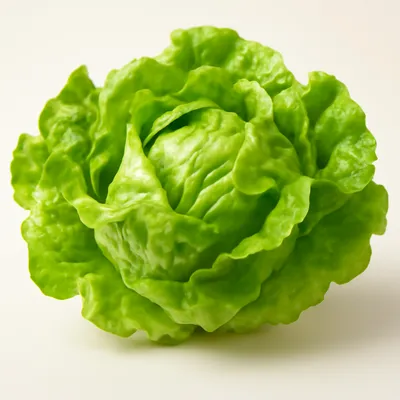
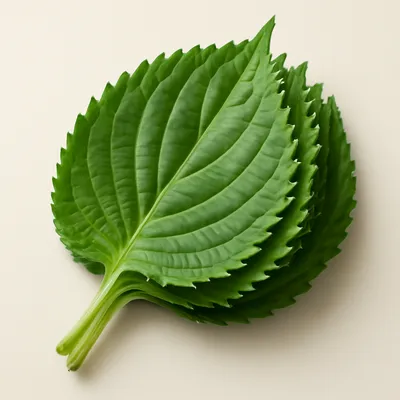
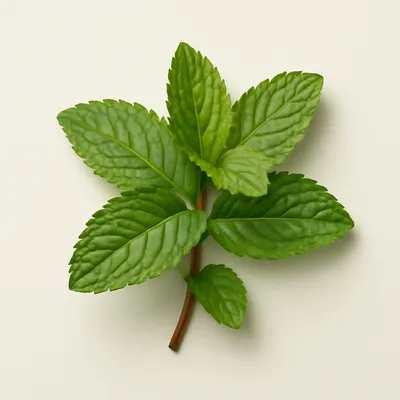
Serve with a platter of mustard greens, lettuce, perilla, mint, rau ram (Vietnamese coriander), Thai basil. To eat: tear off a piece of crepe, lay on a mustard leaf with herbs, roll, dip in nuoc cham.
Archive tool suggestions — not reviewed
These legacy suggestions have not been evidence-reviewed and are not presented as required tools.