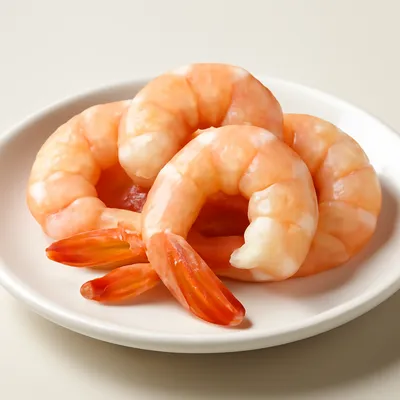
Saigon's defining bowl of bánh canh: short, fat, slippery-chewy noodles made from tapioca starch and rice flour, swimming in a thick, almost gravy-like crab-and-shrimp stew. The broth is built on pork bones and shrimp shells, deliberately starch-thickened and stained a glowing orange by crab tomalley and annatto oil. A loaded bowl carries lump crab meat, whole shrimp, quail eggs, straw mushrooms, and slices of chả (pork-and-fish cake), sometimes a hunk of pork knuckle, finished with scallion oil, cracked black pepper, cilantro, fried shallots, and a squeeze of lime. Where pho is clear and delicate, this is the heavy, glossy, spoon-coating cousin — the version locals mean when they simply say bánh canh in Saigon.



Bánh canh is one of Vietnam's old thick-noodle families — the name pairs bánh (a flour food) with canh (soup), and the noodle is cut from tapioca flour, rice flour, or a blend, which sets it apart from the wheat udon it superficially resembles and the rice ribbons of pho. The form is generally traced to central Vietnam, where bánh canh chả cá and other versions are entrenched; there is no single inventor or founding date, and it spread across the country as a humble, regionally improvised dish. The crab version, bánh canh cua, became the signature of the south, above all of Saigon, where coastal crab and shrimp were abundant and street cooks pushed the bowl toward richness — a starch-thickened, ingredient-heavy stew rather than a light soup. Today it is the default bánh canh of Ho Chi Minh City, a fixture of street stalls and night markets, and the version most non-Vietnamese first meet.
The first thing the spoon tells you is weight — the broth is viscous and clings, coating the spoon in a slick of orange. It tastes deeply of crab and shrimp, sweet and a little briny, with annatto giving color more than flavor. The noodles are the surprise: short fat batons that are slippery on the outside and springy-chewy in the middle, with a faint translucency from the tapioca, snapping back against the teeth rather than dissolving like rice vermicelli. Lump crab pulls apart in sweet shreds, the shrimp is firm and snappy, a quail egg gives a soft yolky bite, and the chả is bouncy. Black pepper prickles, scallion oil and fried shallot lend a savory-sweet aroma, and a squeeze of lime cuts the richness right at the end.
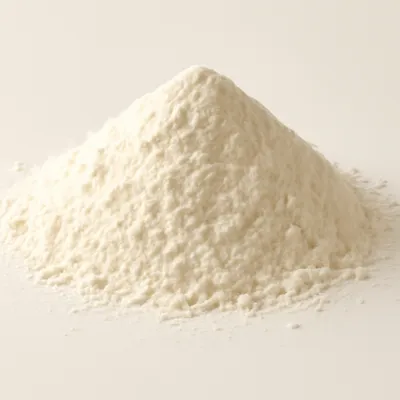
Two things make this bowl what it is: the noodle and the thickness of the broth, and they reinforce each other. Tapioca starch is what gives bánh canh its slippery surface, translucency, and rubber-band chew — the more tapioca relative to rice flour, the chewier and more see-through the noodle; rice flour alone yields a softer, more opaque, udon-like strand, so cooks blend the two to balance bounce and bite. The dough is scalded with boiling water to gelatinize the starch before it is pressed or cut into short fat pieces, which is why the noodle holds its springy structure in hot broth. The broth's gravy-like body comes from two sources working together — a deliberate tapioca-starch slurry stirred in, plus the noodles' own surface starch shedding into the liquid — so the bowl must be kept moving and served promptly rather than left to sit, or the starch settles and the noodles glue together and over-soften. The orange comes from crab tomalley (hepatopancreas) and from annatto seeds bloomed in hot oil, which leach fat-soluble carotenoids (chiefly bixin) into the fat for color without much taste; the real depth is built from pork bones and shrimp shells simmered for sweetness and umami, with fish sauce supplying the salt and savor.
Variations
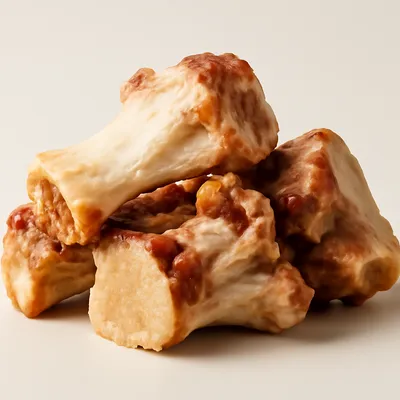
Saigon stalls load the bowl differently — some go all-out with lump crab, shrimp, quail eggs, straw mushrooms, chả, and pork knuckle (bánh canh cua giò heo), others keep it leaner. A common cheaper sibling is bánh canh tôm cua, leaning more on shrimp than picked crab. The noodle itself ranges from a tapioca-heavy, near-translucent, very chewy strand to a softer rice-flour-leaning one, by cook and region. Beyond the crab version, the wider bánh canh family includes bánh canh chả cá (fish cake, central coast), bánh canh giò heo (pork hock), and bánh canh Trảng Bàng from Tây Ninh, each built on the same short fat noodle but in a clearer, thinner broth.
On the Palate
Where Banh Canh Cua sits in the Vietnamese flavor cloud
Ingredients
Serves 4


How it's made
8 steps · 1 hour
- 145 min
Make the noodles: scald a blend of tapioca starch and rice flour with boiling water, knead into a smooth dough, then roll and cut (or press) into short, fat noodles; dust with extra tapioca starch to keep them from sticking.
Watch outScald the tapioca-and-rice-flour blend with boiling water — the heat gelatinizes the starch, which is what gives the noodle its springy, see-through chew.
- 28 min
Bloom annatto seeds in warm oil over low heat until the oil turns deep orange, then strain out the seeds and reserve the oil.
- 375 min
Blanch pork bones to clean, then simmer them with shrimp shells (and pork knuckle, if using) for a sweet, savory stock; skim the surface and strain.
- 420 min
Steam the crab until the shell turns red, then pick the lump meat and scoop out the orange tomalley; poach the shrimp briefly and set aside.
- 512 min
Whisk tapioca starch into cold water to make a slurry, then stir it gradually into the simmering broth until it thickens to a light gravy; add the annatto oil, crab tomalley, and season with fish sauce and a little sugar.
Watch outStir the tapioca slurry in gradually and stop the moment it thickens to a light gravy — overdo it and the broth turns to gluey paste.
- 65 min
Blanch the noodles in boiling water until they float and turn springy, then rinse briefly so their surface starch does not over-thicken the bowl.
- 73 min
Pile noodles in a bowl with crab meat, shrimp, quail eggs, straw mushrooms, and sliced chả, then ladle over the hot thickened broth.
- 82 min
Finish with scallion oil, fried shallots, cilantro, and cracked black pepper; serve with lime wedges and fresh chili.
Archive tool suggestions — not reviewed
These legacy suggestions have not been evidence-reviewed and are not presented as required tools.



