Five-color glutinous rice, a festival emblem of the Tay, Nung, Thai, and other upland peoples of northern Vietnam. The same batch of sticky rice is soaked in natural plant infusions to set in five colors — white, red, yellow, green or blue, and purple or black — then steamed and mounded together on a tray or banana leaf. The colors are not decoration alone; in highland belief they stand for the elements and for a wish for good harvest and good fortune, and the dish appears at lunar new year, the third-lunar-month festival, weddings, and ancestral offerings.


Five-color sticky rice is shared across the Tai-speaking and related hill peoples of the northern Vietnamese uplands and the bordering provinces of southern China, where the closely related Zhuang make the same dish; the Tay and Nung of Vietnam are particularly known for it. It is tied to the agrarian festival calendar — above all the third day of the third lunar month and the new-year season — when families dye, steam, and pile the rice as both an offering to ancestors and a communal festive food. Each color carries meaning in local belief, and the careful preparation is itself a mark of respect for the occasion.
Five glossy mounds of sticky rice, each a different earthy color, eaten warm with the fingers. The grains are tender and chewy, faintly sweet, and lightly perfumed by the plants that dyed them — a grassy note from the leaves used for green, a deeper woody scent in the purple and black. It is usually eaten plain or with just a pinch of toasted sesame salt, so the gentle plant flavors and the satisfying chew of well-steamed glutinous rice carry the dish.
Color comes entirely from plants, and each is coaxed differently. Turmeric root gives yellow; the leaves and stems of magenta plant (la cam) give red, purple, and black depending on concentration and whether ash water is added; certain leaves, often pandan or the same magenta plant treated differently, give green or blue. The cleaned glutinous rice is soaked separately in each cool infusion for several hours so the dye penetrates without cooking the grain, then drained and steamed over water — never boiled — so the colors stay clear and the grains stay distinct rather than turning to paste.
Variations
The exact plants and even the count of colors shift by region and ethnic group — some make seven or nine colors for grander occasions. The magenta plant is the most common multi-purpose dye, yielding several shades from one source; turmeric for yellow and pandan for green are near-universal. The rice may be steamed all in one tray for a tie-dyed effect, or each color steamed and shaped separately for a flower-like arrangement on festival trays.
On the Palate
Where Xoi Ngu Sac sits in the Vietnamese flavor cloud
Ingredients
Serves 6How it's made
7 steps · 1 hour active + 3 hours waiting
- 110 min
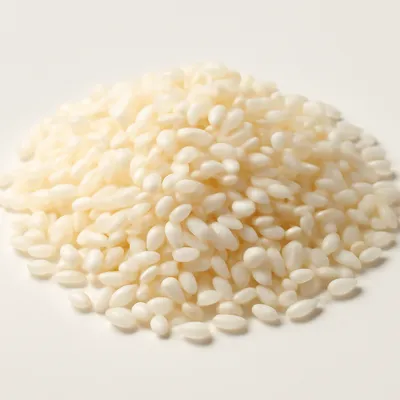
Rinse glutinous rice and divide it into five portions; one stays white.
- 240 min
Prepare plant infusions: grate and steep turmeric for yellow; boil magenta-plant leaves for red, and with ash water for purple or black; steep pandan or the same plant for green.
- 3300 min
Soak each rice portion in its own cooled infusion for 4 to 6 hours until the color penetrates.
Watch outSoak each rice portion in its own cooled infusion so the dye sinks in without cooking the grain — warm infusion would start cooking it and muddy the color.
- 410 min
Drain each portion well, keeping the colors separate.
- 540 min
Steam each color over simmering water until the grains are tender and glossy, about 30 to 40 minutes.
Watch outSteam each color over water, never boil — steaming keeps the colors clear and the grains distinct instead of dissolving to paste.
- 65 min
Mound the five colors together on a tray or banana leaf and serve warm.
- 75 min
Offer with toasted sesame salt or grated coconut on the side if desired.
Archive tool suggestions — not reviewed
These legacy suggestions have not been evidence-reviewed and are not presented as required tools.


