Pampanga's kin of pancit palabok: thick rice noodles doused in a shrimp-and-annatto orange sauce and piled with toppings. The name comes from luglug, the act of plunging the noodles into boiling water to cook them just before serving. Compared with palabok's thin bihon, luglug uses noticeably thicker, more slippery strands, and the sauce is ladled over the top rather than pre-tossed. Crushed pork rind, smoked-fish flakes, shrimp, sliced egg and scallion crown it, with calamansi squeezed over to finish.




Luglug is the Kapampangan reading of the broader Tagalog palabok family, dishes built on a thick annatto-orange shrimp gravy poured over noodles. The trio of luglug, palabok and the pre-mixed pancit Malabon are regional cousins, distinguished mainly by noodle thickness, how the sauce is served and the toppings; they are generally regarded as Filipino noodle inventions rather than direct Chinese imports, even though the noodles themselves descend from the rice noodles brought by Hokkien Chinese settlers. The luglug name simply records the dunking step that finishes the dish.
The thick noodles are slick and yielding, each strand heavy with a warm, faintly sweet shrimp gravy that clings rather than runs. The toppings work in counterpoint: crackling pork rind, smoky fish flakes, plump shrimp and the soft give of egg, all in one loaded forkful. A squeeze of calamansi lands bright and sour over the richness, lifting the whole bowl.
Annatto seeds steeped in hot oil release their orange pigment, which colors a shrimp-and-pork stock thickened with cornstarch into the signature glossy, clingy gravy — deep in umami but not hot. The thicker luglug noodles are cooked separately and only dunked through boiling water at the last moment, hence the name, so they stay springy and do not bloat in the sauce. Because the sauce is poured on rather than mixed in, the noodles below stay slippery while the toppings on top keep their crunch, the textures meeting only as you eat.
Variations
The toppings shift by household and budget — squid, oysters or an all-shrimp luxury version are common, and tofu cubes often join the crushed pork rind. The closely related pancit Malabon uses even thicker tubular noodles enriched with crab fat and is tossed with its sauce instead of having it poured over.
On the Palate
Where Pancit Luglug sits in the Filipino flavor cloud
Ingredients
Serves 6

How it's made
9 steps · 35 min
- 110 min
Soak the thick rice noodles until pliable, then set aside.
- 24 min
Steep annatto seeds in hot oil to draw out the orange color, then strain.
Watch outSteep the annatto in hot oil to draw out the orange color, then strain out the seeds — this bloomed oil is what gives the gravy its signature glossy orange.
- 35 min
Sauté garlic and ground pork in the annatto oil until browned.
- 43 min
Pour in shrimp-and-pork stock and bring to a simmer.
- 56 min
Stir in a cornstarch slurry and cook until the sauce turns thick and glossy; season with fish sauce.
Watch outStir in the cornstarch slurry and cook until thick and glossy — this clingy gravy is the whole dish, so it needs real body, not a thin sauce.
- 63 min
Just before serving, plunge the noodles into boiling water until cooked, then drain well.
Watch outPlunge the thick noodles into boiling water only at the last moment — that's the whole point of the name, so they stay springy and don't bloat in the sauce.
- 72 min
Pile the hot noodles into bowls and ladle the orange sauce over them.
- 83 min
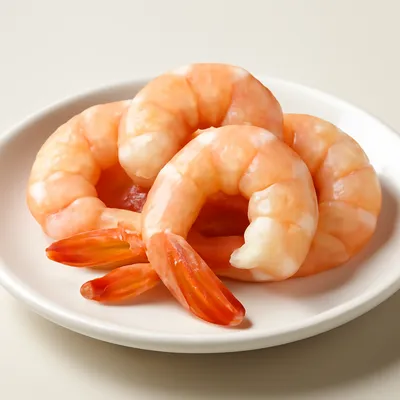
Top with crushed pork rind, smoked-fish flakes, shrimp, sliced egg and scallion.
- 91 min
Serve with calamansi halves to squeeze over.