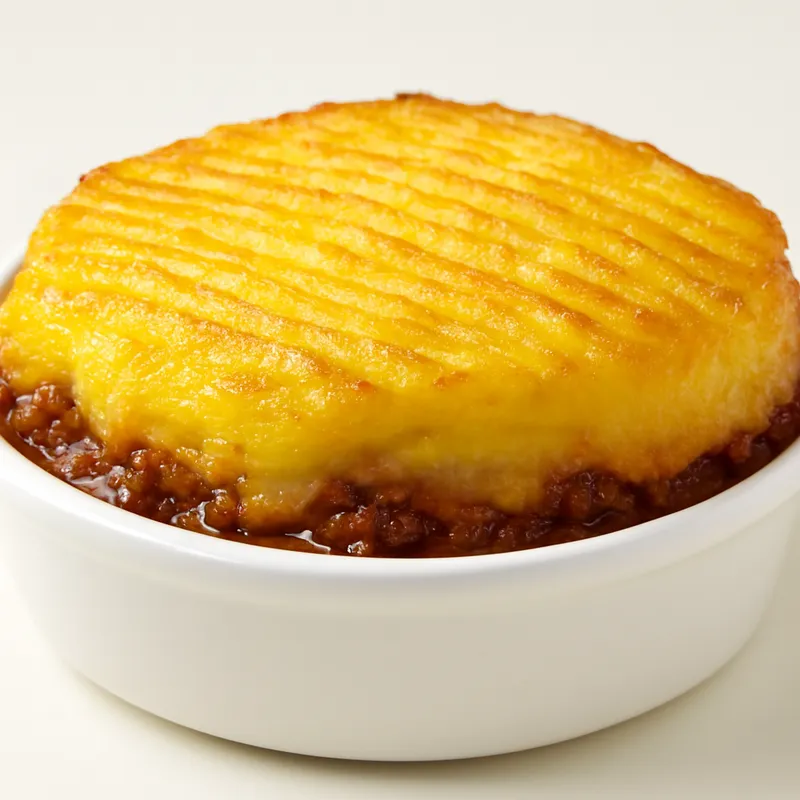
A classic British street food dish consisting of deep-fried fish and potato fries.




Pairing standardized in 1860s England — Joseph Malin opened a shop in London's East End around 1860 selling fried fish (a Sephardic Jewish technique brought from Portugal/Spain in the 17th century) alongside chipped potatoes (a Lancashire industrial-town staple). The combination fed factory workers cheaply during the Industrial Revolution and was protected as essential food during both World Wars.
The batter is the entire dish — beer-leavened, paper-thin, screamingly hot oil. Tartar sauce is for tourists; malt vinegar earns its place.
A slab of white fish — cod or haddock — in pale gold batter that shatters at the fork, releasing steam over flaking flesh. Thick-cut chips, soft inside, crisp outside, dressed with malt vinegar and salt straight from the shaker. Mushy peas or curry sauce on the side. Wrapped in paper, eaten with a wooden fork. The batter should crackle; if it bends, the fryer was cold.
Beer or sparkling water in the batter is mechanical, not flavoring — the CO2 bubbles expand in the fryer, creating the lacy, crisp shell that protects the fish from overcooking. Beef dripping, not vegetable oil, is the traditional fry medium and gives the chips their savory edge. Double-frying chips (low temp first to cook through, then high to crisp) is what separates a chippy from a pub.
Variations
Battered cod is the southern norm, haddock more common up north; Scottish chippies offer a "chippy sauce" of brown sauce and vinegar; some serve mushy peas.
On the Palate
Where Fish and Chips sits in the British flavor cloud
Keep the batter ice-cold and full of bubbles right up to the fryer — the CO2 from beer or sparkling water is what puffs into that lacy, crisp shell and shields the cod from overcooking.
Ingredients


How it's made
5 steps · 40 min
- 110 min
Heat vegetable oil in a deep fryer or large heavy pot to 350°F (175°C). The oil should be deep enough to fully submerge the fish and chips without crowding.
Watch outCheck the oil hits 175°C before anything goes in — a cube of bread should brown in under a minute.
- 25 min
While the oil heats, prepare the batter by whisking together flour and beer until smooth. The consistency should be thick enough to coat the back of a spoon.
Watch outIf the batter is too thin, it won't adhere properly to the fish.
- 314 min
Dip the cod fillets in the batter, ensuring they are fully coated. Carefully lower them into the hot oil, frying until golden brown and crisp, about 5-7 minutes per side.
Watch outThe fish is done when the shell is deep gold and rigid and it floats — listen for the fizzing to quiet down.
- 410 min
Slice potatoes into thick chips and pat dry with a kitchen towel. Fry in the same oil until golden and crispy, about 8-10 minutes. Drain on paper towels and season with salt immediately.
Watch outSalt the chips the instant they leave the oil while they're still glossy, so it sticks.
- 51 min
Serve the fish and chips hot, with optional accompaniments such as malt vinegar, tartar sauce, or lemon wedges for squeezing over the fish.
Archive tool suggestions — not reviewed
These legacy suggestions have not been evidence-reviewed and are not presented as required tools.