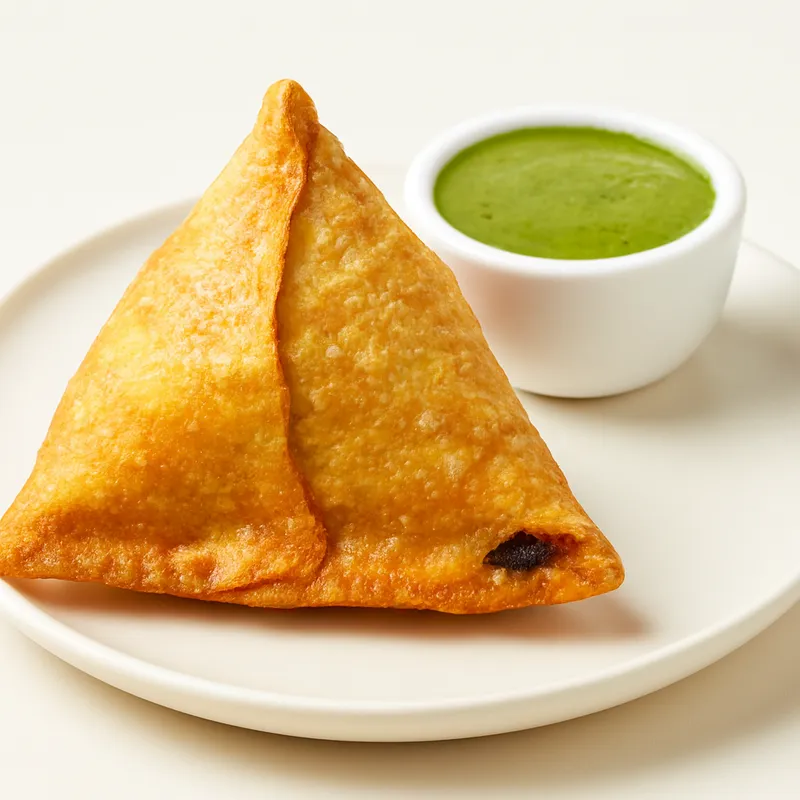



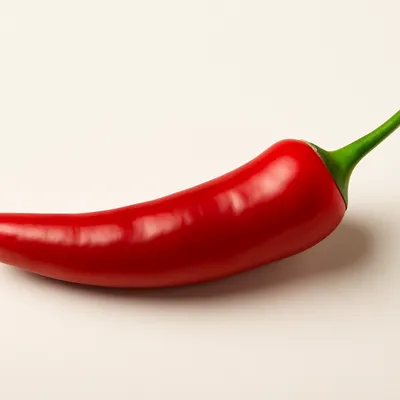

Descended from the samosa family that traveled with Arab and Indian Muslim traders along the Red Sea and Indian Ocean from roughly the 13th century onward. The Ethiopian version landed firmly in Muslim communities — Harar, Dire Dawa, the Somali border — and adopted local berbere and green chili instead of the South Asian garam masala spectrum.
Descended from the samosa family that traveled with Arab and Indian Muslim traders along the Red Sea from the 13th century onward. A soggy bottom means the oil dropped below 175°C — the wrap is closer to spring-roll skin than samosa pastry.
A crisp triangle the size of a palm, blistered golden from the fryer, filled with spiced lentils or minced beef cut with onion and green chili. The shell shatters; the inside is hot enough to steam. Sold from street carts during Ramadan iftar especially, eaten with awaze or a squeeze of lemon. A soggy bottom means the oil dropped below 175°C.
The dough is the giveaway: a thin wheat-flour wrap closer to a spring-roll skin than a samosa pastry, sealed with flour-water paste. The lentil filling is the fasting-day version — it suits both the Ethiopian Orthodox fasts, which bar animal products on Wednesdays, Fridays and during Lent, and the Muslim fast of Ramadan — while the meat filling is reserved for breaking the fast and for holidays. The triangle shape locks steam against the filling so the lentils finish cooking inside the shell during the fry.
Variations
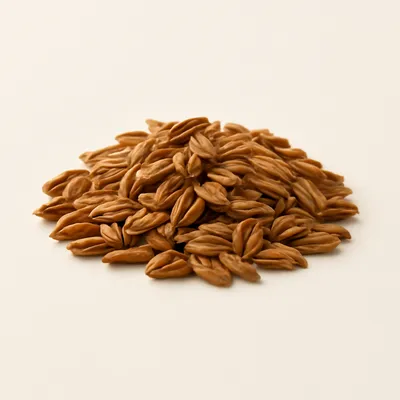
Lentil-berbere for fasting days and Ramadan iftar; minced-beef for festival days; Harari versions add green chili harder; Somali sambuus pushes cumin and reads closer to the South Asian original.
On the Palate
Where Sambusa sits in the Ethiopian flavor cloud
Get the wrapper thin and the seal tight: a spring-roll-thin wheat skin sealed with flour-water paste is what lets the triangle crisp fast at 175°C without splitting and leaking filling into the oil.
Ingredients

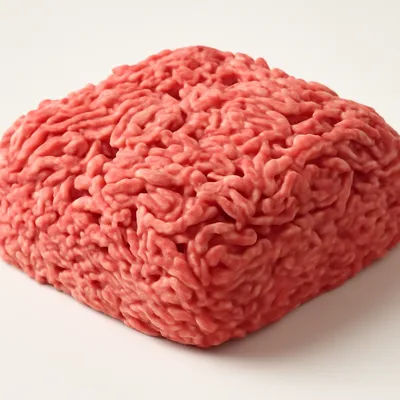
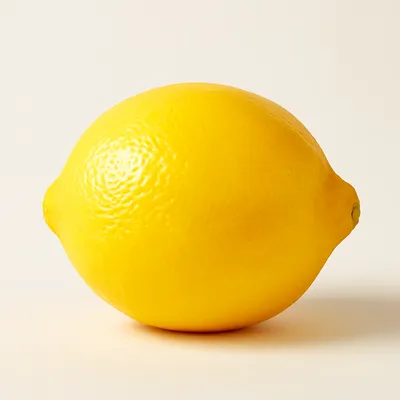

How it's made
4 steps · 31 min
- 15 min
Prepare the filling by sautéing chopped onion, garlic, and chili pepper in a pan over medium heat until the onion is soft and translucent, about 5 minutes. Add cumin and other spices, stirring until fragrant.
Watch outOnion should turn soft and see-through, not browned — you want it sweet, not caramelized, before the spices go in.
- 210 min
Mix in finely chopped vegetables, peas, and ground meat, cooking until the meat is browned and the vegetables are tender, about 10 minutes. Season with salt and let cool slightly.
Watch outCook until the pan looks dry and the fat separates out; any standing liquid now will wreck the seal later.
- 310 min
Roll out the dough thinly on a floured surface and cut into squares or circles. Place a spoonful of the filling in the center of each piece, folding and sealing the edges to form a triangle or crescent shape.
Watch outMake sure the dough is thin enough to cook through but not so thin that it tears easily.
- 46 min
Heat oil in a deep pan to 350°F (175°C). Fry the sambusas in batches until golden brown and crispy, about 3 minutes per side. Drain on paper towels and serve hot.
Watch outPull them the moment they're an even deep gold; the color deepens a shade more off the heat as they drain.
Archive tool suggestions — not reviewed
These legacy suggestions have not been evidence-reviewed and are not presented as required tools.


