




Parkin is the defining cake of the north of England, and specifically of Yorkshire and Lancashire, where it is eaten around Bonfire Night, the 5th of November, the anniversary of Guy Fawkes's 1605 Gunpowder Plot. The cake is built on medium oatmeal rather than wheat flour, the staple grain of the north before cheap wheat arrived in the 19th century, and sweetened with treacle and black treacle, the cheap byproduct of sugar refining that became widely available in the 1760s and that was heavily promoted as a non-taxed sweetener. Ginger was added for warmth and as a preservative. The cake is traditionally baked a week ahead and left to mature, the oatmeal and treacle fusing into a dense, sticky, fudgy mass. Regional differences are real: Yorkshire parkin uses medium oatmeal and is firmer, Lancashire parkin often includes more flour and is lighter. The cake is a fixture of the bonfire and fireworks celebrations across the north.
A dense, damp, very dark square, the texture halfway between cake and fudge, strongly of ginger and the burnt-caramel bitterness of black treacle, with the grainy chew of oatmeal. Better after a week than a day.
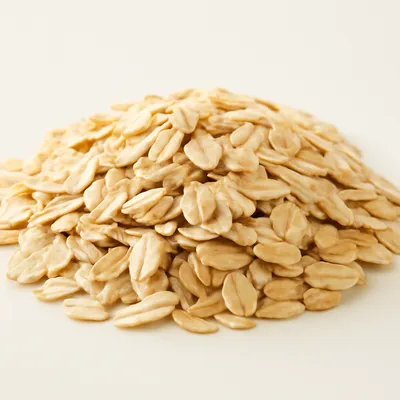
Parkin's distinctive texture comes from the oatmeal, which has no gluten-forming potential, and so the cake cannot rise like a wheat sponge, it stays dense. Medium oatmeal, not pinhead or flour, is soaked in the warm treacle and syrup mixture to soften before baking, giving the grain body without turning it to paste. The fat is butter or lard historically. Eggs and a little wheat flour bind the mix, and a heavy dose of ginger, with mixed spice and sometimes nutmeg, provides the warmth. Baking is low and slow, around 140 degrees C for an hour, so the cake sets through without drying. The maturing step is essential: freshly baked parkin is crumbly and harsh, after three to seven days the oatmeal fully hydrates, the treacle penetrates, and the texture becomes dense and fudgy. This is a cake designed to be made ahead.
Variations
Lancashire parkin uses more wheat flour for a lighter texture. Some add a grated apple or a slosh of milk for softness. Black treacle alone makes a darker, more bitter cake; golden syrup alone makes it milder.
On the Palate
Where Parkin sits in the British flavor cloud
Ingredients
Serves 12How it's made
7 steps · 15 min
- 13 min
Preheat the oven to 140 degrees C; line a 20cm square tin with parchment.
- 25 min
Warm 200g golden syrup, 100g black treacle and 150g butter in a pan until melted, then stir in 200g medium oatmeal and set aside to cool for 15 minutes.
Watch outLet the oatmeal soak in the warm treacle mix and cool before adding eggs — hot batter would scramble them.
- 35 min
Beat 2 eggs with 150g brown sugar, then stir into the cooled oatmeal mixture.
- 45 min
Sift 100g self-raising flour with 2 tsp ground ginger, 1 tsp mixed spice and a pinch of salt, then fold into the wet mix until smooth.
- 58 min
Pour into the lined tin and bake for 1 hour until just firm to the touch and coming away slightly from the sides.
- 65 min
Cool in the tin, then wrap tightly in parchment and foil; store for 3 to 7 days before eating so it matures.
Watch outWrap and rest it 3 to 7 days before eating — fresh from the oven it's dry and crumbly; the wait is what turns it sticky and moist.
- 73 min
Cut into squares; serve with a cup of tea or, traditionally, with Wensleydale cheese.
Archive tool suggestions — not reviewed
These legacy suggestions have not been evidence-reviewed and are not presented as required tools.