

Apple charlotte is a centuries-old English bake, first recorded in the late 18th century and reputedly named in honour of Queen Charlotte, consort to George III and a noted patron of kitchen gardens and orchards, though the attribution is folkloric rather than documented. The dish is essentially an economical way to use up stale bread and a glut of cooking apples: a charlotte mould or deep cake tin is lined with slices of buttered bread, filled with sweetened, spiced stewed apples, sealed with a bread lid, and baked until the casing is a deep golden crisp shell. Antonin Careme, the French chef, gave an elaborate version with brioche and apricot marmalade in the early 19th century, but the plain English bread-and-apple charlotte remained the home staple. It is the ancestor of the later and lighter cold charlottes built around bavarois and ladyfinger biscuits.
Crackling golden bread crust giving way to a hot, fragrant, just-sweet apple puree sharpened with lemon and warmed by cinnamon and clove. The contrast of the brittle casing and the soft filling is the dish.
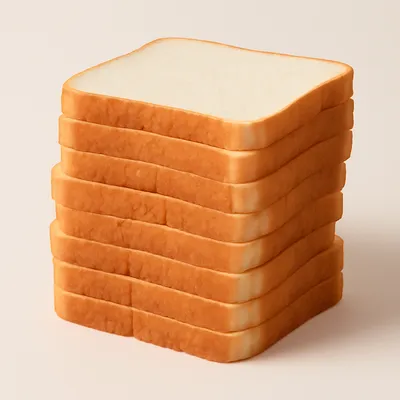
The charlotte is built as a bread box around apple. Stale white bread is sliced and each slice buttered on both sides, then used to line a buttered charlotte mould or cake tin completely, base and sides, with no gaps through which apple could leak. The apples, ideally Bramleys, are stewed with butter, sugar, lemon zest and a little cinnamon and clove until they just collapse, then cooled slightly and piled into the bread-lined mould. A bread lid is set on top and the whole baked, unmoulded, until the bread casing is deep golden and crisp on all sides. The butter on the bread is what fries it crisp in the oven's heat, so both sides must be buttered. The unmould is critical: the casing must hold, or the apple pours out.
Variations
A mould of brioche instead of bread gives a richer, lighter charlotte (Careme's route). Some add a tablespoon of calvados to the apples. Pears or plums replace the apple in autumn.
On the Palate
Where Apple Charlotte sits in the British flavor cloud
Ingredients
Serves 6
How it's made
7 steps · 30 min
- 15 min
Preheat the oven to 200 degrees C; generously butter a 1-litre charlotte mould or deep cake tin.
- 26 min
Peel, core and slice 750g Bramley apples; stew with 50g butter, 75g caster sugar, the zest of 1 lemon, 1 tsp cinnamon and a pinch of ground clove until the apples just collapse, then cool slightly.
- 35 min
Cut the crusts off 8 slices of stale white bread; butter each slice on both sides.
- 46 min
Line the buttered mould completely with bread, a round for the base, triangles for the sides, pressing seams to seal, leaving enough bread for a lid.
Watch outLine the mould with no gaps and press every seam shut — a leak here and the apple bleeds out and the case collapses.
- 56 min
Spoon the apple into the bread-lined mould right to the top; cover with a bread lid and press to seal the edges.
- 67 min
Bake 35 to 40 minutes until the bread is deep golden and crisp; rest 5 minutes, run a knife around the edge, and invert onto a plate.
Watch outBake until the bread casing is deep golden and crisp on all sides — the butter is frying it, so pale means soggy and it won't hold when turned out.
- 75 min
Slice into wedges and serve hot with cream or custard.
Archive tool suggestions — not reviewed
These legacy suggestions have not been evidence-reviewed and are not presented as required tools.